1/10 vs 1/12 RC Cars?
RC cars bring excitement and fun to hobbyists of all ages. The hobby can feel overwhelming at first. You’ll see numbers like 1/10, 1/12, and more floating around. What do these numbers mean? Which size should you buy?
This guide breaks down everything you need to know about 1/10 versus 1/12 remote control cars. We’ll look at size, speed, price, and handling. By the end, you’ll know exactly which scale fits your needs and budget.
What Do These Numbers Mean?
The number tells you the scale of the vehicle. A 1/10 RC car is one-tenth the size of a real car. A 1/12 scale car is one-twelfth the size of a full-size vehicle.
Here’s the math in simple terms. If a real car is 180 inches long, a 1/10 car would be 18 inches. A 1/12 car would be 15 inches.
This difference sounds small. But in the RC world, it affects almost everything about how your car performs and feels.
Size Comparison: Which Is Bigger?
The 1/10 scale is the larger of the two. This means 1/10 cars take up more space on the track or your shelf. They’re also heavier in most cases.
A typical 1/10 RC car measures about 15 to 20 inches long. The 1/12 scale car runs between 13 and 17 inches. The difference is roughly 2 to 3 inches in length.
This size gap has real consequences. A larger car needs more room to drive. You’ll want a bigger open space for racing and practicing. A smaller car fits in tighter areas.
Think about where you’ll drive your vehicle. Have a small backyard? A 1/12 might work better. Got acres of land or access to a track? The 1/10 gives you more room to really open it up.
Weight and Stability Differences
The 1/10 scale models typically weigh more. Extra weight brings stability in windy conditions. Heavier vehicles handle rough terrain better too.
A lighter 1/12 car can blow around in the wind. This makes driving more challenging in breezy conditions. However, the lighter weight also means quicker acceleration and faster top speeds compared to heavier models in the same class.
Weight matters for different driving surfaces. Off-road tracks have bumps and obstacles. The added heft of a 1/10 helps keep your car steady. On smooth pavement, both scales handle well.
Speed: Which One Goes Faster?
This is where things get interesting. Both 1/10 and 1/12 cars can reach impressive speeds.
A 1/10 scale car typically hits speeds between 40 and 80 miles per hour. Some high-end models go even faster. The 1/12 scale usually maxes out around 35 to 55 miles per hour.
That might sound like a big gap. But remember, you’re comparing the actual numbers. On a smaller track or course, the 1/12 feels just as fast because it’s covering distance on a smaller scale.
Electric motors power most modern RC cars. Brushless motors deliver better speed and efficiency than older brush motors. Both scales benefit from better motor technology.
Nitro or fuel-powered cars exist in both scales too. These tend to reach higher speeds than electric versions. But they cost more money and need more maintenance.
Battery and Power Systems
Nearly all beginner-friendly RC cars today use rechargeable batteries. Lithium polymer (LiPo) batteries have become the standard. These offer good power and run time.
Battery size varies between scales. A 1/10 car typically uses larger batteries with higher voltage. This powers the heavier vehicle and allows longer runtime.
A 1/12 car uses smaller batteries. This means shorter driving time per charge, but faster recharge times. You might get 15 to 20 minutes of driving on a full battery for either scale.
Charging time depends on the charger. A basic charger takes 1 to 2 hours. Fast chargers cut that down to 20 to 30 minutes.
Both scales work great with batteries. Neither has a real advantage here. It comes down to personal preference and your budget.
Off-Road vs On-Road Performance
Off-road driving is where the 1/10 really shines. The larger size and weight handle bumpy ground better. Dirt tracks, grass, and obstacles feel natural for a 1/10 buggy or truck.
The 1/12 scale still works off-road. But the lighter weight makes it more bouncy. You’ll need smoother terrain to avoid tipping or getting stuck.
On-road racing favors both scales equally. Asphalt tracks work perfectly for both 1/10 and 1/12 cars. Speed and handling matter more than size on smooth surfaces.
Many racers prefer 1/10 for stadium trucks. The larger wheels and body clear obstacles better. You can tackle rougher tracks without worry.
For street racing and circuit courses, 1/12 cars shine. They’re nimbler and easier to control at high speeds. The lighter weight helps with cornering.
Durability and Maintenance Needs
The 1/10 scale cars tend to be more durable. Larger parts cost more but last longer. Bigger suspension components handle impacts better.
A 1/12 car has smaller, more delicate parts. Crashes damage small parts more easily. Replacement parts cost less per item but add up quickly.
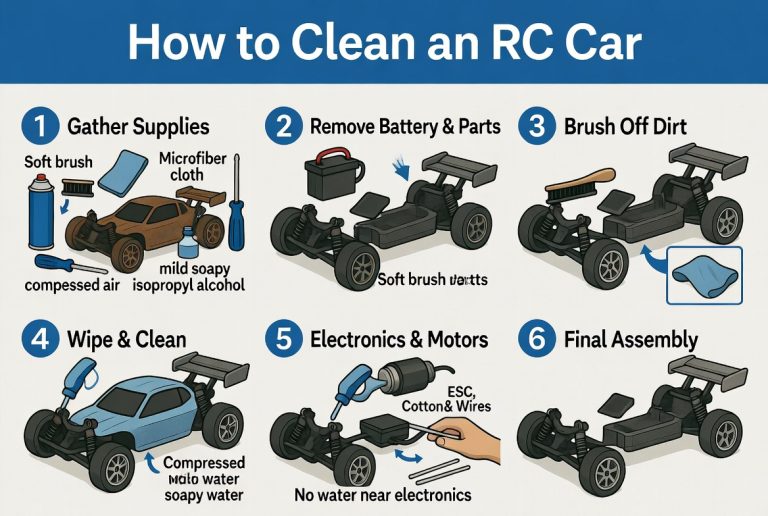
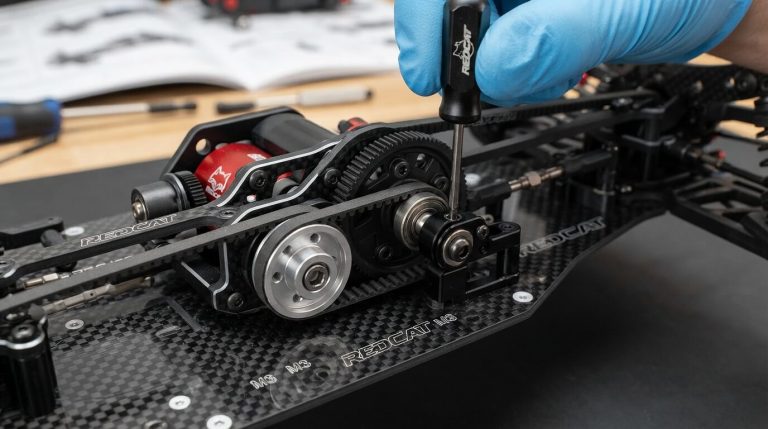
Both scales need basic maintenance. Check your car after every drive. Tighten loose screws. Clean out dirt and grass. Store your vehicle in a dry place.
Suspension maintenance is similar for both. You’ll adjust dampener springs and bearings regularly. This keeps everything smooth and responsive.
The 1/10 scale doesn’t need more maintenance than 1/12. The difference is part durability, not workload. You just replace larger pieces when something breaks.
Cost: Budget Comparison
Price is a major factor for many buyers. The 1/10 scale typically costs more upfront.
A quality entry-level 1/10 RC car runs $150 to $400. High-end racing models can exceed $1,000.
The 1/12 scale usually starts lower. Basic models cost $100 to $250. Premium versions reach $500 to $800.
But initial cost isn’t the only expense. Factor in batteries, chargers, and spare parts. A 1/10 car might eat through larger tires and suspension components.
A 1/12 car needs smaller parts. Individual parts cost less, but you might replace them more frequently due to smaller, frailer components.
Over time, total expenses balance out. You’ll spend money on whichever scale you choose. Plan your budget for at least a year of driving.
Handling and Control Differences
The 1/10 feels heavier in your hands. The remote has more inertia to fight. But once you adjust, the weight gives you confidence. The car feels planted.
The 1/12 is snappier. It responds instantly to your control inputs. This makes it feel faster even at the same actual speed. Beginners sometimes find this exciting but hard to manage.
Steering precision differs too. The 1/10 needs more dramatic steering inputs. The 1/12 responds to tiny adjustments. This affects how you practice.
Both scales teach excellent driving skills. The 1/10 teaches you smooth, controlled inputs. The 1/12 teaches you precision and finesse. Neither is objectively better.
Suspension and tire grip matter more than scale size. A well-tuned 1/12 can handle better than a sloppy 1/10. Spend time dialing in your car properly.
Customization and Upgrade Options
The RC car hobby runs deep for customization lovers. Both scales offer tons of upgrade options.
The 1/10 scale has a massive aftermarket. Manufacturers make parts for 1/10 racing. You’ll find hop-ups for everything. Motor upgrades, suspension tweaks, body upgrades—the list goes on.
The 1/12 scale has fewer options overall. It’s a smaller market segment. You’ll still find quality parts and upgrades, but selection is more limited.
If you love tinkering, the 1/10 gives you more to play with. You can swap engines, adjust suspensions, and experiment endlessly.
For casual drivers, both scales offer enough customization. You don’t need to upgrade anything to have fun. Stock cars work great right out of the box.
Buying Parts and Finding Support
The 1/10 community is massive. You’ll find parts everywhere. Online retailers stock tons of options. Local hobby shops carry 1/10 gear.
The 1/12 community is smaller but still active. You can find what you need, but shopping requires more research. You might wait longer for parts to arrive.
Both communities have online forums and YouTube channels. Find videos of people driving your exact car. Learn tips and tricks from experienced racers.
Support is easy for 1/10 cars. Ask a question online and get answers within hours. The 1/12 scene is friendly too, but fewer people might know your specific model.
Learning Curve and Beginner-Friendliness
Neither scale is harder to learn. Beginners succeed with both equally.
The 1/12 feels more responsive. Some new drivers find this easier to control. Tiny adjustments mean you learn feedback quickly.
The 1/10 feels more stable. Some beginners prefer the planted feeling. They gain confidence driving a heavier vehicle.
The best car for a beginner is the one that interests them most. If you love trucks, get a truck. If you prefer zippy little cars, grab a 1/12. Interest beats scale every single time.
Stick with your car through the learning phase. Muscle memory builds over weeks of driving. You’ll naturally improve as you practice.
Noise Levels and Community Impact
Electric RC cars run quiet. You can drive them in residential areas without disturbing neighbors. Both 1/10 and 1/12 electric cars are nearly silent.
Nitro cars make noise. These engines rumble and roar. Nitro 1/10 cars are louder than 1/12 versions just due to size. But both disturb the peace.
If noise is a concern, go electric. Both scales offer excellent electric options. You’ll enjoy your hobby without complaints.
Most racing clubs and tracks allow electric cars freely. Nitro cars have restricted hours. Plan accordingly if you go fuel-powered.
Track and Space Requirements
A 1/10 car needs roughly 60 x 40 feet of clear space for fun driving. Racing tracks are typically 200+ feet long.
A 1/12 car can enjoy tight spaces. A 40 x 30 feet area works nicely. Racing tracks accommodate 1/12 too, but some circuits run 1/10 only.
Check your local track rules before buying. Some tracks host both scales on separate nights. Others specialize in one or the other.
If space is limited, the 1/12 suits you better. Small yards, basketball courts, and parking lots work fine. The smaller scale doesn’t feel cramped.
Weather and Environmental Factors
Both scales perform well in various weather. Rain is bad for all electronics. Avoid driving in heavy downpours.
Dry, calm weather is ideal for both. Wind affects the 1/12 more due to lighter weight. A 10 mph breeze barely touches a 1/10 but pushes a 1/12 around.
Hot weather can damage batteries. Keep LiPo batteries cool. Store them in a climate-controlled space.
Cold weather reduces battery performance. Warm batteries before driving in chilly conditions. Both scales suffer equally in cold.
Humidity isn’t usually a problem for brushless electric cars. Nitro cars are more sensitive to moisture.
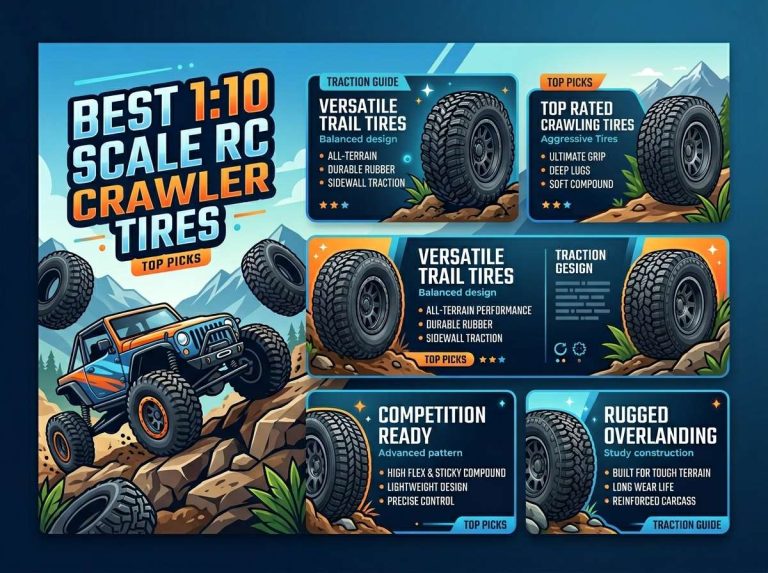
Tire and Wheel Options
Both scales offer various tire types. Off-road tires have deep treads. Road tires are smooth. Intermediate tires balance both.
The 1/10 uses larger tires. Changing tires is straightforward but takes time. You’ll need tire glue and proper tools.
The 1/12 uses smaller tires. The process is similar but more delicate. Small hands work better for tiny tire changes.
Tire cost is lower for 1/12 due to smaller size. But wear out faster on rough surfaces. Stock a few spare sets.
Quality tires make a huge difference in performance. Don’t skimp here. Good tires mean better grip and control.
Racing Classes and Competitions
The 1/10 scale dominates competitive racing. Most major racing organizations run 1/10 classes. You’ll find tons of races to enter.
The 1/12 scale has races too, but fewer. Some regions host active 1/12 racing communities. Others have almost nothing.
If racing is your goal, research your local scene first. Pick the scale with active competition near you. No point buying a great car if nowhere to race it.
Casual drivers don’t need to race. Many people own RC cars purely for fun. They never compete. Both scales work perfectly for recreation.
The 1/10 racing community is fierce and fun. Competition is tight. You’ll push yourself to improve.
The 1/12 racing scene is growing. New racers are welcome. Less intense competition means more fun for some people.
Resale Value and Long-Term Investment
Popular models hold value better. A 1/10 from a major brand keeps 40 to 60 percent of its value.
Less popular 1/12 models depreciate faster. Niche models lose 50 to 70 percent of value quickly.
This isn’t a huge deal unless you plan to flip cars. Most people keep their first RC car for years. Resale value matters less.
Limited edition cars appreciate sometimes. Rare models become collectible. But this is rare and unpredictable.
Buy what you love, not what might appreciate. You’ll enjoy the hobby more that way.
Common Issues and Problem Solving
Battery problems happen to all RC car owners. Batteries won’t hold charge. Check your charger and battery health.
Motor burnout occurs if you push too hard. Let motors cool between runs. Don’t push smaller 1/12 motors as hard as 1/10 units.
Bearing wear causes sluggish handling. Clean bearings regularly. Replace them yearly if you drive hard.
Servo issues affect steering. Gears strip if you crash hard. Replace servos when they fail.
Both scales have the same basic problems. YouTube has tons of repair tutorials. The RC community loves helping newcomers fix issues.
Making Your Final Decision
Think about what matters most to you. Is budget your main concern? The 1/12 costs less initially.
Do you want speed and power? Both scales deliver. A 1/10 feels more planted at high speeds.
Limited space? Go 1/12. Plenty of room? Either works.
Like tinkering and customizing? 1/10 offers more options.
Want quick community support? 1/10 has more people.
Looking for a nimble, responsive car? 1/12 shines.
Prefer stability and weight? 1/10 wins.
All of this matters less than this simple truth: the best car is the one you’ll actually drive. If a 1/12 excites you more, buy that. If a 1/10 calls to you, go for it.
Getting Started With Your New RC Car
Once you decide on a scale, buy a quality starter bundle. These include the car, charger, batteries, and maybe extra parts.
Avoid the cheapest options. Budget $150 to $300 for a decent beginner setup. You’ll enjoy the hobby more with reliable equipment.
Read the manual cover to cover. Understand how your specific car works. Different models vary.
Start in a safe, open area. Empty parking lots are perfect. Avoid streets and near people until you master the controls.
Practice straight-line driving first. Get used to acceleration and braking. Only then work on turning and drifting.
Don’t crash hard early on. Impacts damage parts. Drive smooth and controlled while learning.
Join a local RC club. You’ll meet other enthusiasts. Learn tips from experienced drivers. Many clubs let you test-drive different cars.
Attend local races even if you don’t compete. Watch how the cars handle. See what different setups look like.
Have patience with yourself. RC driving takes practice. After a few weeks, you’ll improve rapidly.
Final Thoughts on 1/10 vs 1/12 RC Cars
Both scales offer tremendous fun and satisfaction. Neither is objectively better. It comes down to your situation, budget, and preferences.
The 1/10 scale dominates the hobby for good reason. More options, more racing, more community support. You’ll never feel alone or stuck.
The 1/12 scale is growing. Smaller, nimbler, more affordable. Perfect for tight spaces and budget-conscious buyers.
Visit a local hobby shop if possible. Hold both scales in your hands. Feel the difference. Ask questions.
Watch videos of both scales in action. See which one excites you more.
Trust your gut. Your interest will carry you through the learning curve. Both choices lead to incredible fun.
Welcome to the RC car hobby. Get out there and drive.
Peterson is an RC hobby enthusiast and product reviewer with a passion for remote-controlled cars, trucks, boats, drones, and accessories. He enjoys testing the latest RC products, comparing features, and sharing practical buying guides to help beginners and experienced hobbyists make informed decisions. Through RCThing.com, Peterson provides honest reviews, maintenance tips, and expert advice to help readers get the most from their RC adventures.