RC Hobby Safety Rules
If you’re getting into the RC hobby, you’re about to have a blast. Remote control cars, drones, boats, and planes are incredibly fun. But here’s the thing—they can be dangerous if you don’t follow the right safety practices. This guide will walk you through all the essential safety rules you need to know as an RC enthusiast.
Why RC Safety Matters So Much
RC vehicles move fast. Some of them can reach speeds over 40 miles per hour. Others can fly high in the air. That speed and power mean they can cause real injuries if something goes wrong. A propeller can cut your fingers. A speeding car can hit a person or pet. A drone can fall from the sky and hurt someone below.
The good news is that accidents are totally preventable. You just need to know the rules and follow them every single time you play. Safety becomes a habit when you practice it regularly.
Rule 1: Always Wear Safety Gear
Your body needs protection when you’re around RC models. Here’s what you should wear:
Eye protection is non-negotiable. Wear impact-resistant safety glasses every time. Parts can break off and fly toward your face. Propellers spin fast. Dirt can kick up. Your eyes are too valuable to risk.
Closed-toe shoes keep your feet safe. You’ll be walking around your flying or driving area. Concrete might be there. Rocks could be scattered around. A wheel might roll over your toes if you’re not careful. Good shoes protect you from all these hazards.
Hand protection matters when you’re working with your models. Gloves help when you’re adjusting propellers or handling sharp edges on the chassis. Many people use lightweight work gloves that still let your fingers move freely.
Long pants and long sleeves add extra protection. If you fall or a model hits you, these clothes reduce scrapes and cuts. They also protect you from propellers and moving parts.
Rule 2: Know Your Flying or Driving Area
Before you bring out your RC model, scout the location. Walk around and look for problems.
Check for obstacles. Trees, power lines, buildings, and fences can damage your model or cause crashes. They can also cause your radio signal to get weak or spotty. Clear areas are the safest choice.
Look for people and pets. Kids, dogs, and other animals can wander into your flying zone. Make sure the space is clear before you start. If someone shows up, pause your activity until they leave.
Inspect the ground. Holes, rocks, and trash can flip your RC car or cause a crash. If you’re flying, look up at the sky too. Check for birds, bad weather, or other aircraft.
Know the rules. Some parks don’t allow RC activities. Some require permits. Call ahead or check signs. You don’t want to get kicked out or face fines because you didn’t know the local rules.
Pick a big space. The more room you have, the safer you are. If your model goes out of control, you want plenty of clear area for it to go. Small spaces limit your options and increase crash risk.
Rule 3: Inspect Your Model Before Every Use
Your RC vehicle needs to be in good shape before you use it. A few minutes of checking can prevent serious accidents.
Check all bolts and screws. Vibrations from movement can loosen these tiny parts. A loose wheel can fall off while you’re driving. A loose component can separate during flight. Tighten anything that feels wobbly.
Inspect the battery. Look for swelling, cracks, or leaks. Damaged batteries can catch fire or explode. If something looks wrong, don’t use it. Replace the battery with a new one.
Look at the propellers. Bent or cracked propellers are dangerous. They don’t spin smoothly. They can shatter mid-flight and shoot pieces everywhere. Always use intact propellers. Keep spares handy so you can swap them out if needed.
Test the controls. Before you go out, test your transmitter in a safe place. Make sure the steering works. Check that the throttle responds. Test all your trim adjustments. You want to know everything works before you’re out in the field.
Check the motor and gearbox. Listen and feel if there are any odd sounds or vibrations. Run it for a few seconds in a safe direction to make sure it works smoothly.
Verify your radio connection. Do a range test with your transmitter. Walk away slowly while moving the sticks and watching your model. If the connection drops, your model won’t respond, and you’ll lose control.
Rule 4: Keep a Safe Distance
You need to stay far enough away from your model to be safe. This gives you reaction time if something goes wrong.
For RC cars, keep at least 10 feet away from the vehicle. This distance lets you see what it’s doing and react if it heads toward people or obstacles.
For RC planes and drones, stay even farther away. Keep at least 25 feet clear. These models move fast and can change direction suddenly. Being far back gives you better control and reaction time.
Never stand in front of a moving model. If it gets away from you, you could get hit. Always position yourself to the side or slightly behind where you expect it to go.
Keep spectators back too. Tell friends and family to stay behind a safety line. Don’t let them stand in the flight path. Kids especially need firm boundaries about where they can stand.
Rule 5: Never Point Propellers at People
This is a huge one. Propellers are like tiny flying saws.
Never hand-start a propeller while someone is near it. The prop can grab your hand and pull it into the blade. It can also fly off and hit someone nearby.
Use a safe hand-starting method. If you need to hand-start, use a wooden stick or a special prop-starter tool. Never use your bare hands.
Keep people away from the prop arc. Even when the model is sitting still, keep people clear of the space where the propeller spins.
Turn off the motor when people are close. If a friend comes over to look at your model, shut it down. Don’t let the propeller spin while someone is nearby.
Warn people about spinning parts. If you have a friend at the field, remind them to stay away from moving models. Most RC accidents happen because someone wasn’t paying attention to spinning propellers.
Rule 6: Use the Right Batteries
Batteries are the power source for your RC models. They need careful handling.
Choose the correct battery type for your model. Lithium batteries (LiPo) are powerful but need special care. NiMH batteries are safer but hold less power. Follow your model’s manual to see what’s recommended.
Charge batteries safely. Use a charger made for your battery type. Never use the wrong charger. Charge in a well-ventilated area away from flammable materials. Don’t charge overnight or leave charging batteries unattended.
Store batteries correctly. Keep them in a cool, dry place. Store LiPo batteries in a fireproof container or LiPo bag. Never leave them in hot cars or direct sunlight. Heat damages batteries and makes them unsafe.
Check battery balance. Unbalanced cells can cause fires. Most modern chargers have a balancer that keeps cells even. Use it every time you charge.
Replace old batteries. Batteries wear out. If a battery is swollen, won’t hold a charge, or feels hot during charging, retire it. Never try to revive a dead battery or use one that seems damaged.
Dispose of batteries properly. Never throw batteries in the trash. They contain chemicals that hurt the environment. Take them to a battery recycling center. Many electronics stores accept used batteries for free.
Rule 7: Start with Low Speed and Work Your Way Up
Just because your model can go 50 miles per hour doesn’t mean you should immediately go that fast.
Begin in your driveway or an empty lot. Get used to the controls in a simple space with no obstacles.
Drive slowly at first. Keep your throttle at 25 to 50 percent. Get a feel for how your model responds. Understand the steering sensitivity and acceleration.
Practice basic moves. Drive in circles. Practice stopping quickly. Learn how tight you can turn. Get comfortable with the model’s behavior before you push harder.
Gradually increase speed. Once you’re confident, slowly increase the throttle. You’ll start to understand how the model handles at different speeds.
Never max out immediately. Even experienced drivers don’t always run at top speed. Higher speeds mean less control and more potential for crashes.
Respect your limits. If you’re not comfortable at a certain speed, slow down. There’s no prize for going fast. The real fun is in having complete control.
Rule 8: Watch Out for Weather
Weather affects how your RC models perform. Bad weather creates dangerous conditions.
Avoid flying or driving in high wind. Wind pushes your model around and makes control nearly impossible. Planes get blown off course. Drones struggle to stay steady. Cars can tip over.
Don’t use RC models in rain. Water damages electronics and batteries. It causes short circuits. Wet conditions make models slip and slide unpredictably.
Skip flying when it’s cloudy. You lose sight of your plane or drone more easily in overcast conditions. Low visibility means less reaction time if something goes wrong.
Avoid extreme heat. Batteries can overheat. Electronics can fail. If it’s very hot outside, take breaks and let your models cool down.
Check the forecast before heading out. You don’t want to get caught in sudden weather changes. Plan your sessions for clear, calm days.
Rule 9: Never Fly or Drive Alone
Bring at least one other person with you when you’re doing RC activities.
Your buddy can spot hazards. They might see something coming that you miss because you’re focused on your model.
They can call for help if needed. If something goes wrong, you need someone to call emergency services or help with an injury.
A second person provides control. If your model gets away from you, a buddy can help chase it or spot where it lands.
They can keep watch. While you’re focused on flying or driving, your friend can make sure no one walks into your area.
Kids especially need supervision. Never let kids operate RC models without adult supervision. An adult should always be present.
Choose a buddy who takes safety seriously. Make sure your friend understands the rules and will follow them too.
Rule 10: Know What to Do in an Emergency
Bad things sometimes happen despite all your precautions. You need to be ready.
Keep a first aid kit nearby. Store it where you can reach it quickly. Include bandages, antiseptic wipes, pain relief medicine, and ice packs.
Know basic first aid. Take a course if you can. You should know how to stop bleeding, treat burns, and recognize shock.
Have your phone with you. Keep it charged and within reach. If someone gets seriously hurt, you need to call emergency services.
Know your location. Before you go out, know the address or intersection where you’re flying. You need to tell emergency responders exactly where you are.
Have a recovery plan. If your model gets stuck in a tree or lost, have a plan to retrieve it safely. Maybe you have a long pole or a friend to help spot it.
Keep contact information handy. Have emergency numbers saved. Know how to reach someone who can help.
Rule 11: Maintain Your Models Regularly
Regular maintenance keeps your RC models running smoothly and safely.
Clean your model after each use. Dirt and debris damage electronics and moving parts. A quick brush-off takes minutes.
Lubricate moving parts. Use appropriate lubricant on bearings, gears, and axles. Check your manual for specifics. Dry parts create friction and cause failure.
Replace worn tires or treads. Bald tires slip in wet conditions. Worn treads cause traction loss. Replace them before they cause accidents.
Check electronics regularly. Look for corrosion, loose wires, or damaged connectors. Corroded electronics can fail suddenly.
Keep the receiver clean. Dust buildup can cause connection problems. Use compressed air to gently clean it.
Monitor the motor. Listen for unusual sounds. Feel for excessive heat. A failing motor can cause loss of control.
Follow the manufacturer’s maintenance schedule. Your model came with guidelines for care. Follow them to keep everything in top shape.
Rule 12: Know the Local Regulations
RC hobbies face increasing regulations in many places. You need to know the rules where you live.
Some areas require registration. Certain aircraft need to be registered with government agencies. Check the current rules for your location.
Flying restrictions exist in many places. You can’t fly near airports. You can’t fly above a certain altitude in many areas. You can’t fly over people or property you don’t own.
Some parks have RC-only zones. Many public parks now have designated areas for RC flying and driving. Use these areas when available.
Private property requires permission. Never use someone else’s land without asking. Always get written permission before using private property for RC activities.
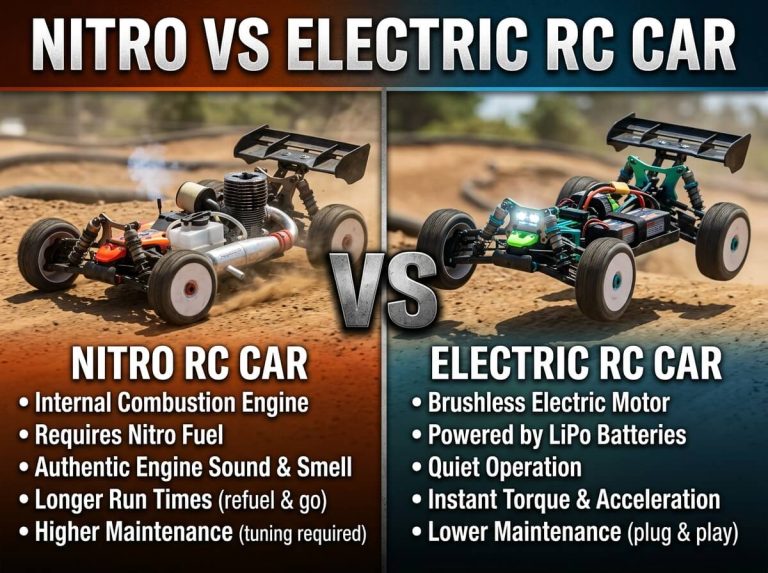
Noise restrictions apply. Some areas limit how early or late you can operate RC models. Electric models are generally quieter than gas models.
Join a club. RC clubs often have access to safe flying fields and know all the local regulations. They can help you stay legal and safe.
Rule 13: Control Your Model, Not Your Ego
This might be the most important mental safety rule.
Your model is replaceable. You are not. A crashed RC car costs money. An injury to you costs health. Protect yourself first.
Don’t try stunts you’re not ready for. Just because your model can do a loop doesn’t mean you should try it in your first week. Build skills gradually.
Accept crashes as learning opportunities. Every pilot crashes. Every driver has collisions. They’re normal. Learn from them and move on.
Don’t compete for speed or tricks. Trying to show off is how accidents happen. Slow, careful operation is the cool way to do this hobby.
Take breaks when you’re tired. Tired people make mistakes. If you’ve been flying for hours, take a break. Mental fatigue reduces reaction time.
Never operate under the influence. Don’t use RC models after drinking alcohol or taking drugs. You need sharp focus and quick reactions.
Rule 14: Educate Others About Safety
Help spread safety awareness in the RC community.
Teach newcomers the rules. When someone new shows up at your flying field, explain safety protocols. New people often don’t know the risks.
Lead by example. Always follow safety rules yourself. Others will notice and do the same.
Speak up if someone breaks rules. If you see unsafe behavior, say something politely. Point out the danger. Most people appreciate the reminder.
Share knowledge about accidents. If you hear about someone getting hurt, share that story with other RC fans. Let them learn from others’ mistakes.
Support safety initiatives. If your club or field implements safety rules, follow them enthusiastically. Help enforce them for everyone.
Rule 15: Keep Learning About Your Equipment
The RC hobby keeps evolving. New gear comes out. Technology improves. You should stay informed.
Read the manual thoroughly. Your model came with instructions. Spend time reading them. They contain vital safety information.
Watch tutorial videos. YouTube has thousands of RC videos. Watch ones about safe operation and maintenance.
Join online communities. RC forums and social media groups discuss safety. You’ll learn from experienced people’s experiences.
Attend workshops. Many clubs offer training sessions. These teach you skills and safety practices.
Subscribe to safety updates. Manufacturers sometimes issue recalls or safety bulletins. Stay informed about your specific models.
Final Thoughts on RC Hobby Safety
RC models offer endless fun and adventure. Whether you’re racing cars, flying planes, or piloting drones, the hobby brings joy to thousands of people. But that fun only happens when you prioritize safety.
These 15 rules cover the essentials. They protect you, other people, and your equipment. Make safety a habit. Do the same safety checks every time. Always wear your gear. Respect the rules. Follow them even when you’re tired, excited, or trying to impress friends.
Safety isn’t boring. It’s actually the key to having more fun. When you know you’re being safe, you can focus on enjoying your hobby instead of worrying about what might go wrong. You can relax and have a great time.
Start with these rules today. Teach them to your friends. Help build a culture of safety in the RC community. Every person who practices safe operation makes the hobby better for everyone.
Get out there, have fun, and stay safe. Your RC hobby is waiting for you.
Peterson is an RC hobby enthusiast and product reviewer with a passion for remote-controlled cars, trucks, boats, drones, and accessories. He enjoys testing the latest RC products, comparing features, and sharing practical buying guides to help beginners and experienced hobbyists make informed decisions. Through RCThing.com, Peterson provides honest reviews, maintenance tips, and expert advice to help readers get the most from their RC adventures.