All You Need to Know About RC Transmitters?
If you’ve ever watched someone control a remote-controlled car zoom across a parking lot or seen a drone soar through the sky, you’ve witnessed a remote control transmitter in action. That handheld device they’re holding is doing some pretty impressive work. But what exactly is it, and how does it actually work? Let me break it down for you in a way that makes total sense.
What Is an RC Transmitter and Why Does It Matter?
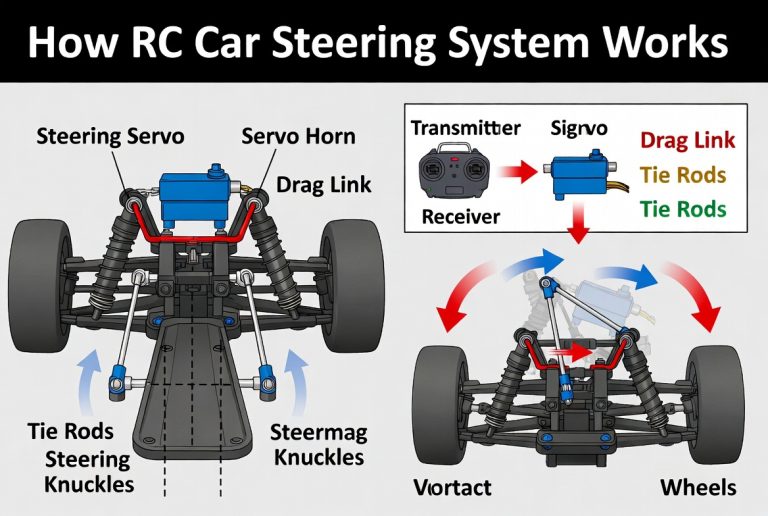
An RC transmitter is basically the brain of your remote control experience. It’s the device you hold in your hands that sends signals to whatever you’re controlling—whether that’s a radio-controlled car, RC plane, RC helicopter, drone, or boat. Think of it as a conversation between your hands and your vehicle. The transmitter talks to a tiny receiver inside your RC model, and that receiver listens and tells the vehicle what to do.
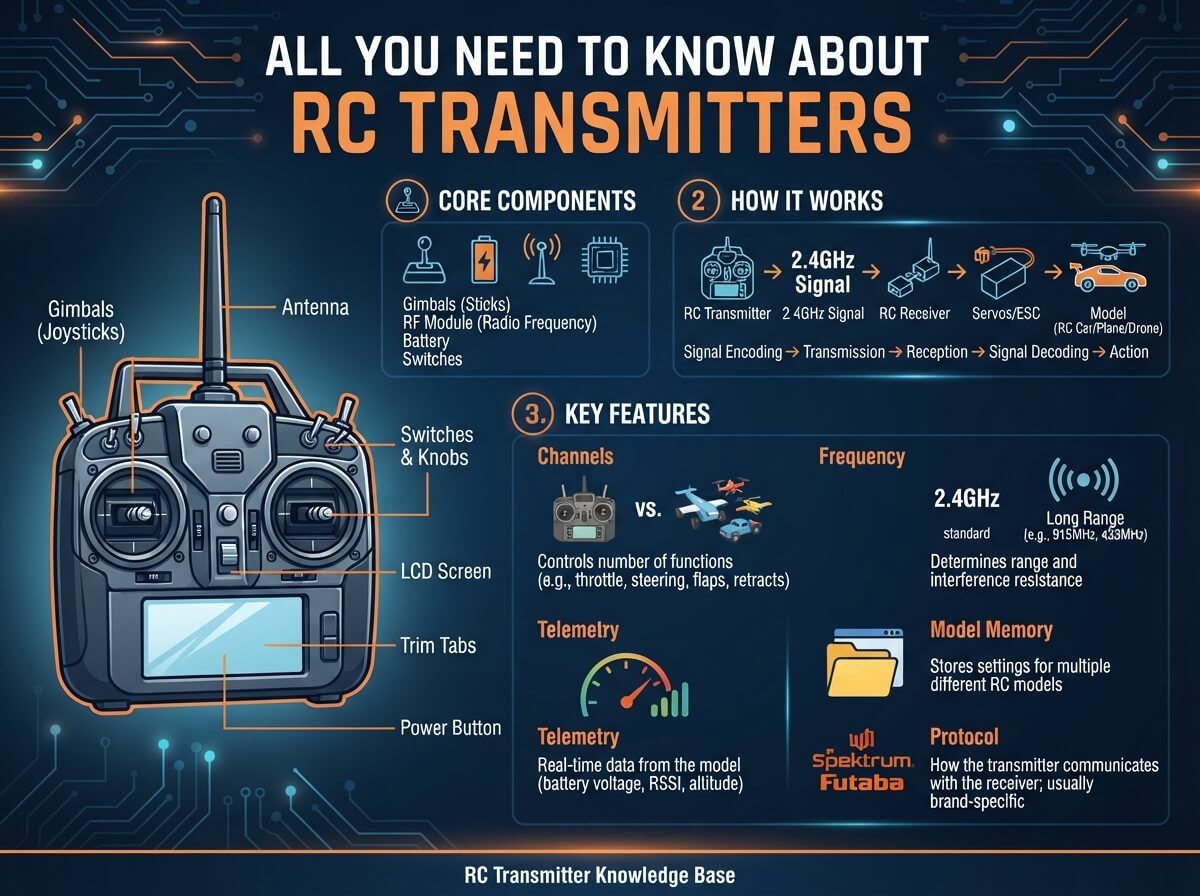
The remote control transmitter is not just some simple gadget. It’s sophisticated technology packed into a handheld radio system. Inside this device, electronics process your movements and convert them into radio signals that travel through the air at lightning speed. The receiver picks up these signals and activates motors, servos, and other mechanical parts to make your model move exactly how you want it to.
This wireless control system is what makes the whole hobby work. Without a good transmitter, your RC model is basically a fancy paperweight. So understanding how your controller works helps you get better control and have way more fun.
How Does an RC Transmitter Actually Work?
The magic happens through radio waves. Your transmitter operates on specific frequencies—think of these like radio stations. Just like your car radio tunes into 104.5 FM, your RC transmitter broadcasts on a frequency like 2.4 GHz (which stands for gigahertz).
When you move a joystick or stick on your remote control transmitter, sensors inside detect that movement. These sensors read the exact position and send that information to the transmitter’s circuits. The transmitter then takes this data and encodes it—basically, it translates your stick movements into a digital or analog signal. This signal gets transmitted as radio waves through the air.
The receiver inside your RC model is constantly listening for these radio signals on the same frequency. When it picks up your signal, it decodes that message and sends commands to the servos and motors. A servo might turn the wheels, while a motor might speed up or slow down. All this happens in milliseconds, which is why your vehicle responds to your controls almost instantly.
Different types of RC systems use different numbers of channels. A channel is basically a control line. A basic RC car might have just two channels—one for steering and one for throttle (speed). A more advanced remote control system for an RC plane or RC helicopter might have four, six, or even eight channels, letting you control multiple movements at once.
The Different Types of RC Transmitters
Not all remote controllers are the same. Let me walk you through the main types you’ll run into.
Pistol-Grip Transmitters
These look kind of like a gun handle and are super common for RC cars and trucks. Your right hand grips the trigger (which controls throttle) while your other hand uses a single joystick or wheel to steer. They’re easy to hold, intuitive to use, and perfect for beginners. Most people find they can pick one up and start having fun with an RC car immediately.
Transmitter Sticks with Dual Joysticks
These controllers have two joysticks (sometimes called sticks) and look similar to what you’d use for a video game. They’re standard for RC planes, helicopters, and drones. With one stick controlling throttle and the other handling steering and pitch, you get way more precise control. This stick mode setup lets you fly through the air or perform complex maneuvers.
Simple Single-Stick Transmitters
These basic controllers have just one joystick that handles steering and throttle together. They’re super affordable and work for simple RC boats and basic car models. Perfect for young kids getting their first taste of the hobby.
Digital vs. Analog Transmitters
Older analog transmitters use continuous radio signals, kind of like traditional FM radio. Digital transmitters use encoded data packets. Digital systems give you more precision, better range, and cooler features like programmable stick sensitivity and failsafe settings. Almost everything made these days uses digital technology.
Understanding Transmitter Channels and Frequency
Let’s talk about something that confuses a lot of beginners: channels and frequency.
Your radio system communicates on a specific frequency. The most popular frequency for modern RC hobbies is 2.4 GHz. This frequency band can handle multiple channels, so lots of people can use their RC gear in the same area without interference. Older systems used 27 MHz or 72 MHz frequencies, but those are pretty rare now.
Channels represent different control functions. A two-channel RC car transmitter controls steering and throttle. A four-channel transmitter for an RC plane might control throttle, pitch, roll, and yaw. Six-channel systems add even more control options. More channels mean you can do more complex movements, but they also cost more.
Here’s what’s cool: modern transmitters use spread-spectrum technology. This means your transmitter jumps around different parts of the 2.4 GHz frequency automatically many times per second. Even if several people are using RC gear nearby, each system stays locked on to its own receiver. You won’t accidentally take control of someone else’s drone.
Key Features Every RC Transmitter Should Have
When you’re looking at different remote control options, watch for these important features.
Good Range
Your transmitter should reach far enough so you can control your model from a realistic distance. Most modern systems give you at least 100 meters of range, with many offering several hundred meters. You want enough range to feel free when you’re flying or driving, but you also want to always stay within signal distance so you keep control.
Reliable Connection
A solid link between your transmitter and receiver keeps your model responsive and safe. Digital systems with spread-spectrum technology nail this. You should get a quick response with zero lag when you move the sticks.
Adjustable Stick Sensitivity
This feature, sometimes called “trim” or “dual rate,” lets you dial in how sensitive your joystick movements are. If your model is too twitchy, you can reduce sensitivity. If it feels sluggish, you can crank it up. This customization helps you get the exact feel you want.
Battery Life
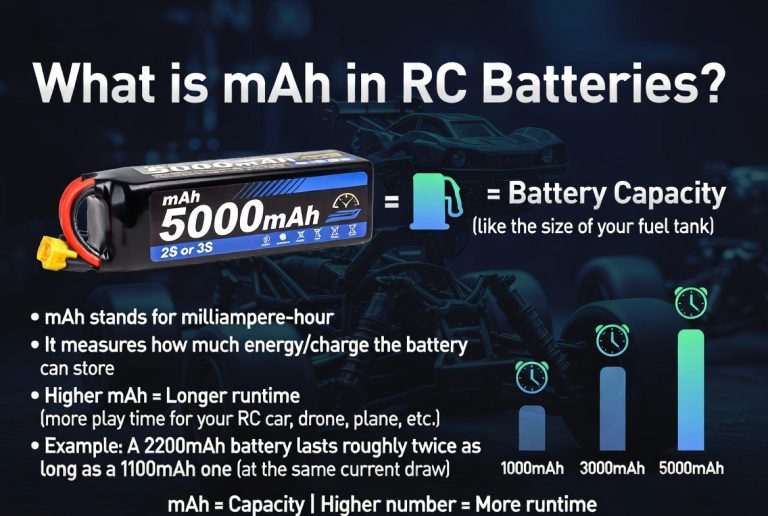
Your transmitter runs on batteries—usually AA batteries or a rechargeable lithium battery. You want a controller that runs for hours on a single charge or set of batteries. Nothing kills the fun faster than your transmitter dying mid-flight.
Ergonomic Design
You’ll hold this thing for a long time. It should feel comfortable in your hands. Good remote controllers are balanced, have rubberized grips, and position the sticks where you naturally want them. Your hands shouldn’t cramp after an hour of use.
Failsafe Feature
This safety feature cuts the throttle and returns your model to a neutral state if the signal gets lost. Super important for flying models. If your drone loses connection, the failsafe will automatically reduce throttle so it doesn’t keep flying away.
Transmitter Modes: Finding Your Style
Different people like holding their controllers different ways. That’s why most transmitters let you choose between different stick modes.
Mode 1 (Elevator/Throttle Right)
Right stick controls throttle and pitch. Left stick controls roll and yaw. This is popular in Japan and some parts of Europe.
Mode 2 (Elevator/Throttle Left)
Left stick controls throttle and pitch. Right stick controls roll and yaw. This is the most common mode worldwide and what most pilots learn on.
Mode 3 and Mode 4
These switch which stick controls what on each axis. Most beginners stick with Mode 2, but experienced pilots might switch it up based on what they’re flying or their personal preference.
Pick whichever mode feels natural to your hands. Many transmitters let you switch modes, so if you start with one and realize you prefer another, you can usually change it.
How to Take Care of Your RC Transmitter
Your remote control transmitter will last years if you treat it right. Here’s what to do.
Keep It Dry
Rain and moisture are enemies. If your transmitter gets wet, let it dry completely before using it. Some pilots keep their remote in a waterproof bag when they’re near water.
Store Batteries Safely
Remove batteries if you won’t use your transmitter for a few weeks. Batteries can leak and damage the circuits. Store them in a cool, dry place.
Avoid Drops and Impacts
These devices have delicate electronics inside. Don’t throw your transmitter or smash it. A fall from waist height can break something internally.
Check Stick Movement Regularly
Make sure your joysticks move smoothly and don’t feel scratchy or stuck. If they start acting weird, you might need to open it up and clean out dust, or send it for repair.
Update Firmware
If your transmitter connects to a computer or app, check for firmware updates regularly. These updates fix bugs and sometimes add new features.
Choosing the Right Transmitter for What You Want to Do
Different hobbies need different controllers.
For RC cars and trucks, a simple pistol-grip transmitter works perfectly. You need quick steering response and smooth throttle control. Look for something comfortable to grip during long driving sessions.
For RC planes and gliders, you’ll want a dual-joystick transmitter with at least four channels. You need smooth pitch control for flying up and down, roll control for banking, and good throttle management. Experienced pilots often prefer transmitters with programmable rates so they can fine-tune sensitivity.
For drones, modern systems use 2.4 GHz digital technology with multiple channels. Failsafe is non-negotiable here. You also want decent range and a responsive link so your flying experience feels smooth and natural.
For RC helicopters, you’ll definitely need a good four or six-channel system. Helicopters are finicky and need precise control. A quality transmitter makes the difference between learning successfully and getting frustrated.
For RC boats, a simple transmitter with steering and throttle works great. Some people use the same pistol-grip transmitter they use for cars.
Common Beginner Mistakes to Avoid
Learning from others’ slip-ups helps you avoid headaches.
Ignoring the Manual
That instruction booklet might look boring, but it has important stuff about your specific transmitter. Read it. Seriously. It tells you how to bind your transmitter to your receiver, adjust settings, and troubleshoot problems.
Flying or Driving Out of Range
Just because your transmitter says it has 300 meters of range doesn’t mean you should test that limit. Keep your model visible and within a safe distance. Signal strength varies based on obstacles and weather.
Not Binding Your System
Binding links your transmitter and receiver so they talk only to each other. Skip this step and your receiver might respond to someone else’s signal. Always bind your new system before your first flight or drive.
Forgetting to Check Batteries
Low batteries cause signal problems and unreliable control. Check battery levels before every session. Swap out batteries if they’re getting old.
Not Testing Before Flying
Always do a quick range check before taking your model out for real. Hold your transmitter normally and walk away from your model to see where the signal cuts out. This tells you where you can safely operate.
The Future of RC Transmitter Technology
RC transmitter technology keeps getting better. We’re seeing more integration with phones and tablets, better range, improved response times, and smarter failsafe systems. Some modern transmitters work with apps that let you program functions from your smartphone.
Digital technology continues to improve, bringing cleaner signals and better interference rejection. Some systems now use artificial intelligence to adapt to their environment and optimize performance on the fly.
As the hobby grows, we’ll probably see even more user-friendly transmitters that beginners can just pick up and use without extensive learning curves.
Your RC Transmitter Is the Key to Fun
At the end of the day, your remote control transmitter is your direct link to the action. It’s what transforms you from a spectator into someone actually controlling a model through the sky or across the ground. A good transmitter responds to your inputs instantly, gives you the range you need, and stays reliable session after session.
You don’t need something expensive or complicated to have incredible fun. Even basic transmitters these days are packed with technology that would have blown minds just years ago. Pick one that feels right in your hands, matches what you want to do, and treat it well.
The best transmitter is one that lets you focus on flying or driving instead of fighting with controls. Once you find that sweet spot with your controller, you’ll unlock a whole new level of enjoyment in this amazing hobby. Get out there and start controlling.