How to Transport RC Models Safely?
RC models are fun. They’re also expensive. Losing one to damage during transport is heartbreaking and costly. This guide shows you how to move your RC cars, planes, boats, and drones without breaking them.
Why Safe Transport Matters for RC Models
Your RC vehicles are delicate machines. They have motors, electronics, and precision parts that work together. One rough bump can break something. Damaged RC models cost money to fix. Some damage is so bad the model can’t be repaired.
Safe transport keeps your hobby alive. It saves you money. It keeps you from getting frustrated. You get to enjoy your RC cars and drones for longer. Taking time to pack properly is always worth it.
Get the Right Container for Your RC Car Transport
The container you use is the first line of defense. A good container protects your RC models from bumps, dust, and moisture.
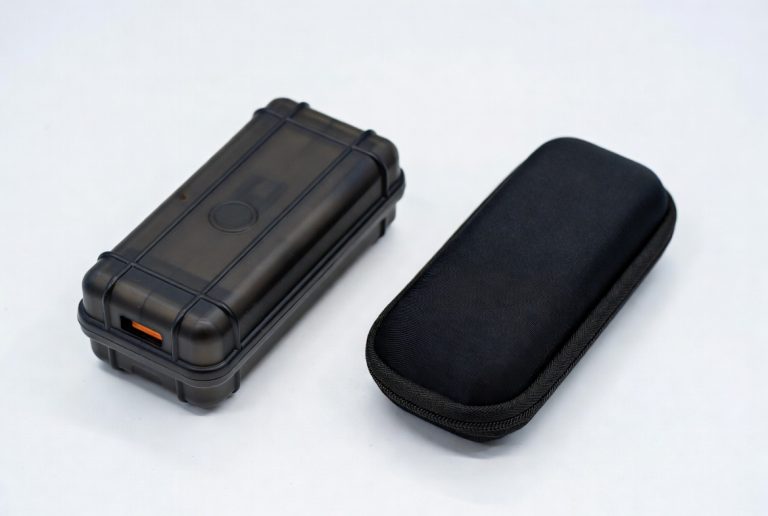
Foam cases work great for RC transport. These hard-shell cases have foam inside that you can cut to fit your model. The foam cushions your RC vehicle during movement. Hard cases don’t crush easily. They keep dust and water out too.
Foam-lined boxes are cheaper than hard cases. You can find them at hobby shops or online. Some people buy them used from other RC enthusiasts.
Cardboard boxes work in a pinch. But they don’t protect as well as foam cases. Cardboard gets crushed. Water can seep through. Only use cardboard if you have nothing else.
The case should fit your RC model snugly. Too much space means your model can slide around. This causes bumps during transport. Tight fit means your model stays put.
Measuring your model before buying a case saves time. Measure the length, width, and height. Add a couple of inches for padding. This gives you the right case size for your RC vehicle.
Pack Your RC Models Like a Pro
Good packing is an art. It takes practice but gets easier.
Start with a clean space. Dirt can scratch your RC car or truck. Lay out everything you need before you pack.
Use bubble wrap for padding. It’s cheap and works great. Wrap your RC model in one or two layers. Bubble wrap cushions impacts.
Foam padding is even better than bubble wrap. It’s thicker and more protective. Use it around your RC vehicle if you have it.
Wrap the body of your RC model first. Make sure the wheels or rotors don’t hit anything hard. Cover any sticking-out parts like antennas.
Pack the battery separately from your RC car. Batteries can leak or short out. Keep them in their own spot in the case. Use foam around the battery too.
Secure loose parts. Doors, covers, and hatches should be taped shut. A battery cover that falls off during transport is annoying. Use painter’s tape so it doesn’t damage the paint.
Fill empty spaces in your case with foam. Air pockets mean your model can shift. Shifting causes damage. Every inch of the case should have some cushioning.
Don’t pack too tight. You want padding between your RC model and the case walls. At least two inches of foam on all sides is good. This gives your model room and protection.
Transport Your RC Models in Your Vehicle
How you drive matters. Your RC models feel every bump, turn, and brake.
Keep your case in the trunk if you can. The trunk is more stable than a back seat. Seat movement throws things around. Trunks are calmer.
Secure the case so it doesn’t slide. Use cargo straps or bungee cords. A case that slides into the back of your car during braking can get damaged.
Drive smoothly. Avoid hard turns and fast stops. Take corners slowly. Your RC models will thank you.
Keep the temperature stable. Don’t leave your models in a hot car. Heat can melt plastic parts and damage batteries. Cold can make batteries weak. Room temperature is best.
Avoid wet conditions if you can. Wet roads are risky. You might slip and crash. Your vehicle tilts and slides more in wet weather. Drive slower and more carefully if the roads are wet.
Long trips need breaks. Every couple of hours, check your RC models. Make sure nothing has shifted. Adjust padding if needed. This keeps everything safe.
Batteries Need Special Care During Transport
Batteries are the hardest part to transport safely. They have power. They can cause fires if damaged.
Never pack damaged batteries. Cracks in the battery case are dangerous. Swollen batteries should not be transported. Replace damaged batteries before moving your RC models.
Keep batteries cool. Heat damages batteries. It can cause fires in extreme cases. Never leave batteries in a hot car.
Store batteries in a fireproof bag if you have one. These bags cost a little but give peace of mind. If something goes wrong, the bag contains the problem.
Pack batteries upright if possible. This keeps them from rolling around. Batteries rolling in a case can hit your RC model.
Use battery connectors that are safe. Loose connectors can short and cause fires. Tape over connectors with electrical tape. This stops accidental shorts.
Remove batteries before long trips if the trip is more than a few hours. Your models don’t need power during transport. Batteries are safer stored at home.
Keep batteries away from metal tools and parts. Metal can cause shorts. Pack tools in a separate spot.
Protecting Different Types of RC Models
Each type of RC model needs different care.
RC Cars and Trucks Transport Tips
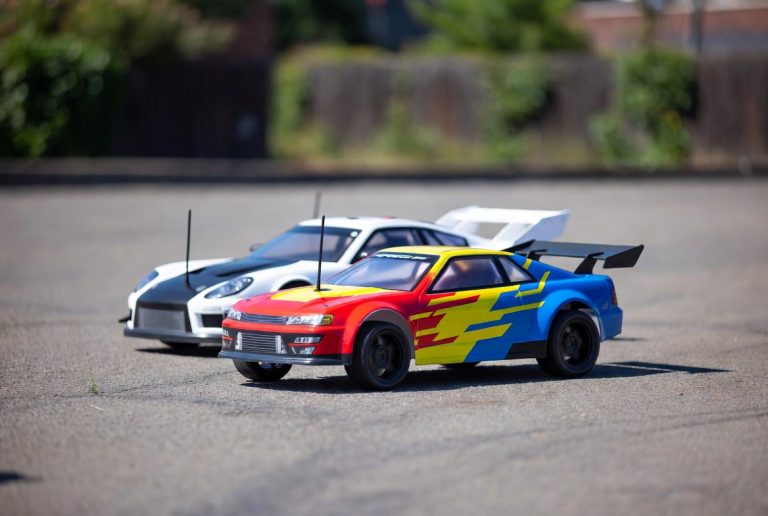
RC cars are sturdy but have sensitive parts. The suspension can get bent. The motor can shift.
Secure the suspension. Use foam blocks under the car so it doesn’t rest on the wheels. Wheels can break if they take the car’s weight for hours.
Protect the antenna. It sticks up and breaks easily. Fold it carefully and wrap it. Some people remove antennas before transport.
Pack the wheels down with extra padding. Wheels are delicate. They can bend and warp.
Remove the tires if you’re moving long distances. Flat tires from sitting heavy for days are annoying. Tires can also dry rot. Store them separately.
RC Plane Transport
RC planes are fragile. The wings can snap. The fuselage can crack. Propellers break easily.
Remove the propeller before packing. Pack it separately in the case. Loose propellers break in transit.
Remove the wings if your plane has detachable wings. This makes packing easier and safer. Wrap each wing in foam.
Stand the fuselage upright in the case if you can. This is safer than laying it flat. Flat fuselages can crack under pressure.
Use lots of padding around the fuselage. The body is the main part of your plane. Protect it well.
Protect the landing gear. Gear can bend and break. Use foam around it.
RC Boat Transport
RC boats have hulls that can crack. Motors and servos can break.
Fill the hull with foam. Don’t leave empty space inside. Hulls are strong on the outside but weak inside.
Protect the propeller. Remove it if you can. Pack it separately with lots of padding.
Drain the fuel tank before transport. Fuel can leak and make a mess. It can also cause safety problems.
Remove batteries from the boat. Water and batteries don’t mix. Loose batteries can cause shorts.
Drone Transport
Drones are heavy-duty but have delicate cameras and propellers.
Remove the propellers. Always do this. Propellers break in a second. Pack them in their own spot.
Detach the camera if it’s removable. Cameras are expensive and break easily.
Use a hard case. Drones need serious protection. Soft bags don’t work well.
Pack battery separately. Drone batteries are powerful. Give them their own space with lots of padding.
Remove the landing gear if it detaches. This makes the drone more compact and safer to transport.
Long-Distance Transport of RC Models
Long trips need more planning. Distance means more bumps and more time for things to shift.
Use two cases if you have many models. Distribute the weight. Heavy cases are hard to carry and more likely to drop.
Take photos of your models before packing. If something gets damaged, you have proof. Insurance companies like photos.
Label your cases clearly. Know what’s inside each one. This helps you find things fast.
Use corner protectors on your cases. These hard plastic corners take hits instead of the case. They’re cheap and helpful.
Pack heavier items on the bottom. Light items go on top. This keeps the case balanced.
Don’t pack cases too heavy. If you can’t lift it easily, it’s too heavy. Heavy cases get dropped.
Keep your cases with you on plane flights. Don’t check them. Baggage handlers are rough. Cargo holds get cold and pressurized. Keep your RC models close.
For plane travel, make sure your batteries are in a carry-on bag. TSA rules require this. Lithium batteries must be with you.
Tell TSA agents about your RC models. They might want to see them. Being honest and open makes things easier.
Environmental Factors During Transport
Weather and conditions affect your RC models during transport.
Heat is the enemy. Don’t leave your car in the sun. Plastic melts. Paint fades. Batteries get damaged.
Cold can make parts brittle. Very cold temperatures can crack plastic. Bring your RC models inside to warm up slowly. Don’t bring a frozen model into a warm room too fast. Temperature shock can cause cracks.
Humidity causes rust and corrosion. Metal parts rust in damp conditions. Keep models in dry cases with moisture-absorbing packs. Silica gel packets work great. They pull moisture out of the air.
Dust gets in everything. Use sealed cases. Close all zippers and latches tight.
Vibration causes damage over time. Long bumpy rides shake things apart. Pad everything well. Drive smoothly.
Road Trip Preparation for RC Model Transport
Planning ahead prevents problems.
Check your case before you leave. Make sure everything is packed tight. Shake it gently. Nothing should move inside.
Know the route. Bumpy roads are bad for RC models. Take smoother highways if you can.
Check the weather forecast. Storms are bad. Plan your trip around bad weather if possible.
Pack a small emergency kit. Bring extra padding, tape, and zip-lock bags. If something starts to shift during the trip, you can fix it quickly.
Bring phone numbers for hobby shops near your destination. If something breaks, you can get help.
Take breaks every two hours. Stretch your legs. Check your RC models. Small adjustments during the trip keep things safe.
Tips for Moving RC Models Between Hobby Shops
Visiting hobby shops is fun. You need to transport your models safely.
Ask the shop about their transport boxes. Many shops sell boxes designed for transporting RC models. They know what works.
Use the shop’s packing advice. Staff members transport models all the time. They have tricks that work.
Don’t let the shop staff throw your models around. Some people don’t understand these are delicate. Be nice but firm. Tell them your model is valuable.
Get your models back in the case right away. Don’t leave them sitting out. This prevents damage and theft.
Storage Between Transport Sessions
How you store models between trips matters.
Use the same case you transport in. This keeps everything together. You know where everything is.
Store in a cool, dry place. Basements work great if they’re not damp. Attics work if they’re not too hot.
Keep models away from extreme temperatures. Don’t store in garages in winter. Cold cracks parts.
Keep models away from pets and kids. Accidents happen. Everything gets broken.
Check on your models every few weeks. Look for any moisture. Make sure nothing is shifting in the case.
Use boxes in boxes if you’re storing long-term. Inner foam case, then outer cardboard box. This gives extra protection.
Common Transport Mistakes to Avoid
Learn from other people’s mistakes.
Don’t skip the padding. This is the most common mistake. People think their models are tough. They’re not.
Don’t pack things too tight. Tight packing can bend parts. Things need room to breathe.
Don’t neglect batteries. Batteries cause more problems than anything else. Treat them with respect.
Don’t forget to secure cases in your vehicle. Cases that slide and crash get damaged.
Don’t transport wet models. Water damages electronics. Let models dry completely first.
Don’t pack models with sharp tools. Tools poke through padding and damage models.
Don’t leave models in hot cars. It only takes minutes for heat to cause damage.
Don’t ignore warning signs. If something feels off, check it. Don’t ignore weird sounds during transport.
Transporting RC Models to Races and Events
Race days and events need special preparation.
Arrive early. This gives you time to unpack and set up. Rushed setup causes damage.
Park close to the venue if you can. Less carrying means less chance of drops.
Carry one case at a time. Don’t try to carry two cases. You drop them both if you slip.
Use a dolly or cart if the shop has one. Wheels are safer than hands.
Unpack carefully. Take your time. No rushing. Check everything before using your model.
Pack your model back up right after racing. Dust from the track gets on everything. Pack it while it’s still hot to trap the heat and dry any moisture.
Use a pit bag for extra tools and parts. Keep tools separate from your model. This prevents damage.
Insurance and Documentation
Protecting yourself legally is smart.
Take photos of your models before and after transport. Document the condition. This helps with insurance claims.
Get insurance if your models are valuable. Some hobby shops offer coverage. Some homeowner insurance includes hobby items.
Keep receipts for your models. Know the replacement cost. This helps with claims.
Write down serial numbers if your models have them. This helps prove ownership if something gets stolen.
Keep a record of modifications and upgrades. Upgraded models are worth more. Insurance needs to know this.
Transporting RC Models in Different Vehicles
The vehicle you drive affects how you pack.
Cars
Cars are smooth. They’re the best for RC models. Use them when you can.
Keep cases in the trunk. It’s the most stable place.
Use cargo straps to secure cases.
Trucks
Trucks have cargo beds. These are rougher than car trunks.
Use heavy padding. The truck bed bounces more.
Cover cases with a tarp to keep dust off.
Secure cases tightly. Trucks shift and turn roughly.
Motorcycles
Don’t transport RC models on motorcycles. Motorcycles are too bumpy and unstable. You can’t carry a case safely. Save your models for car trips.
RVs
RVs are smooth for long trips. They’re great for RC transport.
Secure cases well. RVs bounce on bumpy roads.
Keep models away from the engine heat.
Monitor temperature. Enclosed spaces get hot.
Quick Checklist for RC Model Transport
Before you leave home, check everything.
- Do I have a good case?
- Is everything padded?
- Are batteries packed safely?
- Is the case secured in my vehicle?
- Are there any loose parts?
- Is the weather okay?
- Do I know how long the trip is?
- Do I have an emergency kit?
Go through this list every time. It takes two minutes. It prevents disaster.
Final Thoughts on Safe RC Model Transport
Transporting RC models safely is not hard. It just takes planning and care. You’re protecting your investment. You’re keeping your hobby alive.
Take the time to pack right. Use good cases. Secure everything. Drive smoothly. These simple steps make a huge difference.
Your RC models are waiting to be driven, flown, or sailed. Treat them well during transport. They’ll reward you with years of fun. A little effort now prevents big problems later.
Start with one good case. Get some foam padding. Practice your packing. The more you do it, the better you get. Soon you’ll be a packing expert.
Safe travels with your RC models. Get them to your destination in one piece. That’s the whole goal.
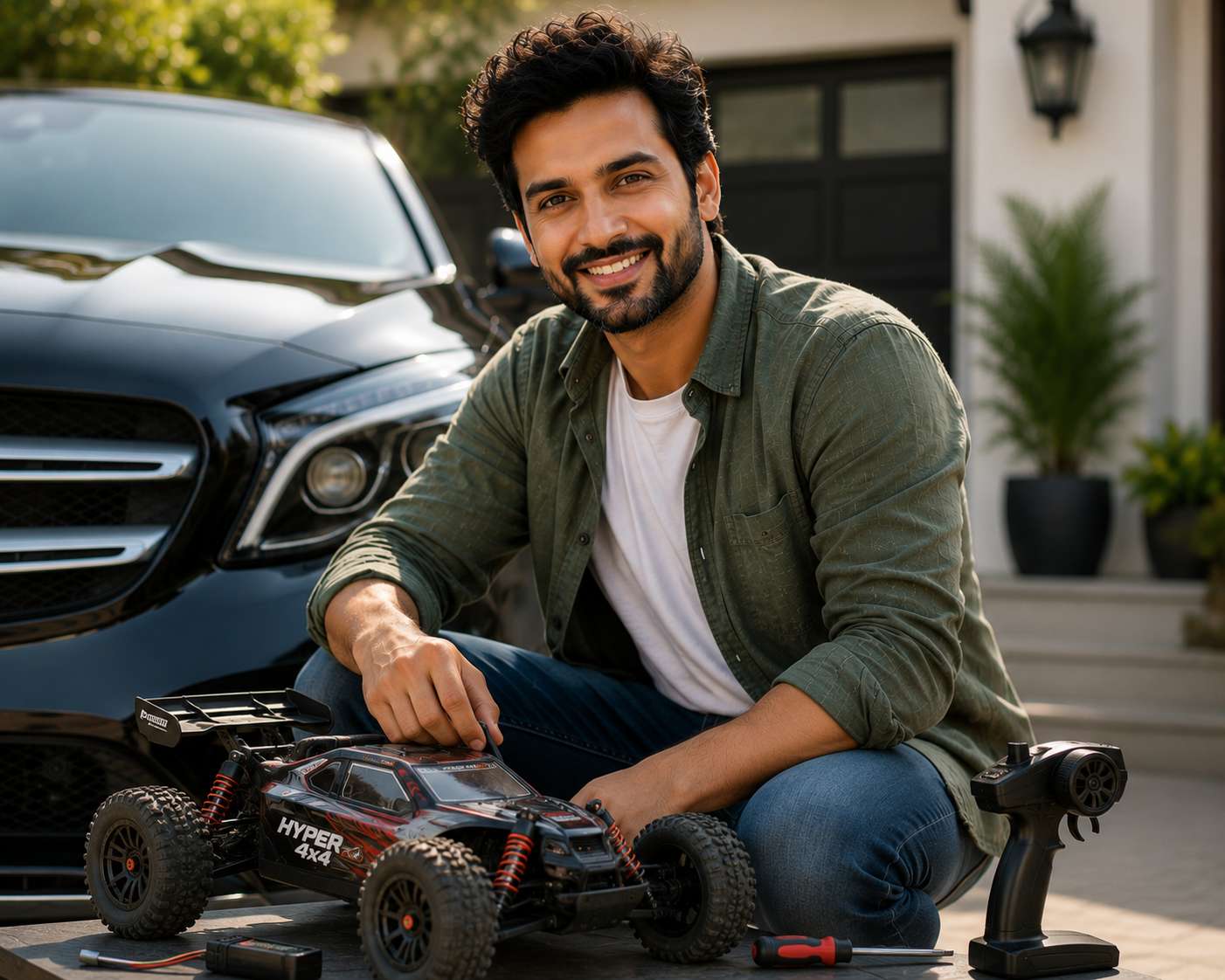
Peterson is an RC hobby enthusiast and product reviewer with a passion for remote-controlled cars, trucks, boats, drones, and accessories. He enjoys testing the latest RC products, comparing features, and sharing practical buying guides to help beginners and experienced hobbyists make informed decisions. Through RCThing.com, Peterson provides honest reviews, maintenance tips, and expert advice to help readers get the most from their RC adventures.