
Rc Car Classes Explained
RC car classes are the rule groups that sort radio-controlled cars for racing and bashing. Each class sets limits on motors, batteries, tires and other parts so that cars compete on fair terms. If you are new to the hobby, knowing these classes explained in plain words can save you money and frustration.
This guide covers what each class means, how the rules work, and how to choose a class that fits your budget and skill. It also points out common mistakes, compares the main options side by side, and answers frequent questions. By the end, you will know where to start and what to look for.
Key Takeaways
- RC car classes are rule sets that keep racing fair by limiting parts and performance.
- Stock, modified, touring, and off-road classes each serve different riders and budgets.
- Electric and nitro classes differ in power source, upkeep, and running cost.
- Read the official rulebook before buying parts to avoid being disqualified.
- Local clubs are the best place to learn which class suits you.
What Are RC Car Classes?
An RC car class is a set of rules that defines what a radio-controlled car may and may not contain. These rules cover parts such as the motor, battery, tires and body. A class name tells other racers what kind of car they will face on the track.
Classes exist mainly for racing. Without them, the fastest and most expensive cars would win every time, and newcomers would have little chance. Classes level the field so that skill and setup matter more than the size of the budget.
Why Racing Groups Use Classes
Racing groups use classes to keep events fair and predictable. Each racer knows what competitors are allowed to run. This makes it easier to plan a build and to compare results from one race to the next.
Classes also help clubs and race series grow. A beginner can enter a race that matches their car, instead of facing a field of far more powerful machines. This keeps newcomers motivated to return.
The Basic Idea Behind Class Rules
Class rules work by setting limits on key parts. A rule might cap the motor type, the battery cell count, or the tire compound. Some rules also specify the chassis layout or the body shape.
In practice, the rules aim to control performance rather than ban creativity. Two cars in the same class can still look and handle quite differently. Because of this, setup skill often decides the winner.
The Main Categories of RC Car Classes
Most RC car racing falls into a few broad categories. The exact names vary by region and club, but the core groups are similar. Knowing these categories makes it easier to read a rulebook later.
Stock Class Explained
A stock class limits the motor to a fixed, standard type and often a set turn rating. In a stock race, many cars run the same motor, so the driver and setup matter most. Stock is often the most common entry point for beginners.
Because the motor is controlled, the upgrade path is narrower. Racers usually focus on tuning gearing, suspension and tires. This keeps costs more predictable than in open classes.
Modified Class Explained
A modified class allows far more freedom with motors and electronics. Racers can choose higher-performance motors and tune them to suit the track. This class usually rewards experience and a larger budget.
Modified cars are often faster and more demanding to maintain. For this reason, newcomers may find them challenging at first. Still, many people move to modified racing once they build confidence.
Touring Car Class Basics
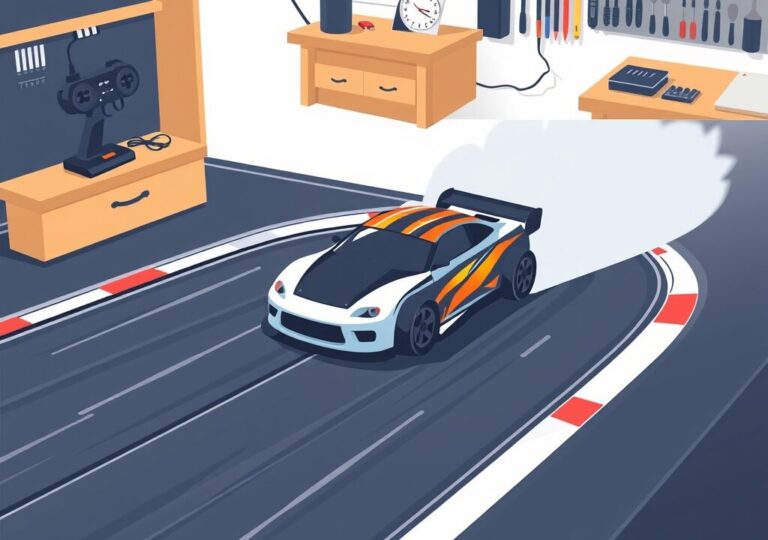
Touring cars are sedan-style cars with a body that resembles a real road car. Touring classes are a major category in on-road racing and often run on smooth asphalt or carpet tracks. They use a low center of gravity and precise handling.
Touring racing rewards careful driving and fine setup. Many clubs run touring classes with a clear rulebook, which makes them a good place to learn racing basics.
Off-Road and Buggy Classes
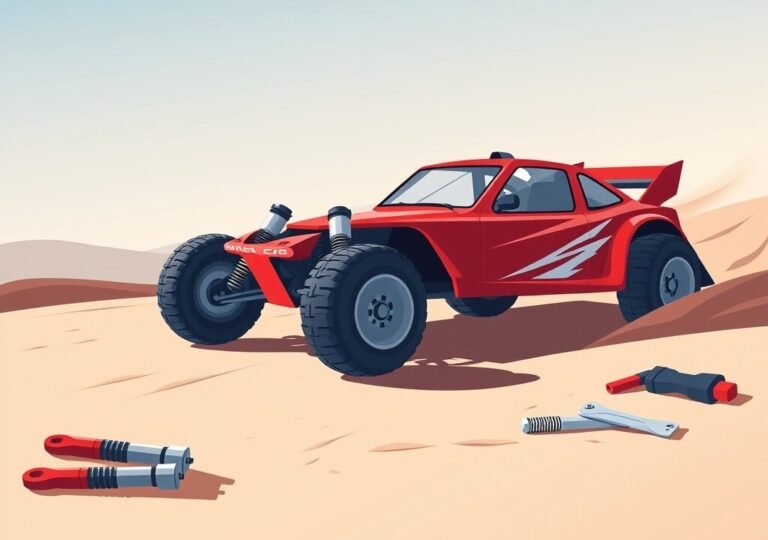
Off-road and buggy classes are built for dirt, grass and jumps. Buggies have an open chassis and long-travel suspension that handle rough terrain. These classes are popular for both racing and casual bashing.
Off-road racing rules often focus on tires, ground clearance and body size. Because the terrain changes from track to track, durable parts and easy repairs are important.
Electric Versus Nitro Classes
Electric classes use a battery and electric motor to power the car. They are quieter, simpler to start and need less routine upkeep. Many beginners choose electric because it is easier to run at home or at a local park.
Nitro classes burn a fuel blend to power a small engine. Nitro cars need tuning, regular cleaning and a warm-up before running. They offer a distinct feel and sound, but the upkeep and fuel costs are higher.
How RC Car Class Rules Work
Each class has a written rulebook. These rules describe exactly what is allowed and what is not. Reading them carefully is the best way to avoid mistakes at the track.
Motor, Battery and Power Limits
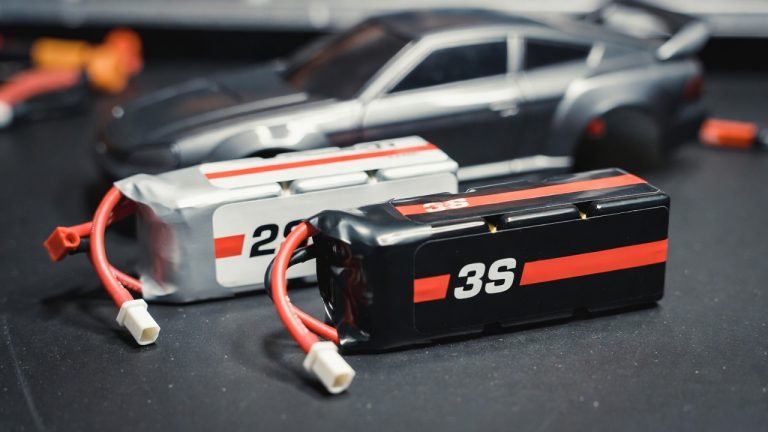
Power rules define the motor type, motor turn rating, and battery cell count or chemistry. Some classes limit the battery to a specific size or voltage. Others allow a wider range of options.
Limits on power keep speeds within a range that the track and the drivers can handle. Always confirm the exact numbers in the current rulebook, since they can change.
Tire, Chassis and Body Regulations
Tire rules often specify the compound, tread pattern or diameter. Chassis rules may set the material, wheelbase or suspension type. Body rules usually require a shell that fits the chassis and meets a size limit.
These details shape how the car handles. Two cars with the same motor can still behave differently because of tires or chassis choices.
Weight, Size and Scale Rules
Weight rules set a minimum or maximum total weight, sometimes with ballast allowed. Size rules limit the length, width and wheelbase. Scale rules may require a body that matches a real vehicle in proportion.
Weight and size affect balance and speed. Checking these limits before a race helps prevent a failed inspection.
Steps to Pick the Right Class as a Beginner
Picking a class is easier when you follow a simple process. Start with your goals, your budget and your comfort level. Then look at what racers near you actually run.
Checking Your Budget and Skill Level
Set a realistic budget that covers the car, spare parts, batteries or fuel, and tools. Consider how much time you can spend on maintenance. A cheaper class with fewer upgrades often suits a first-time racer.
Be honest about your driving skill. Beginners usually learn more from a class with consistent, well-matched cars than from one that rewards expensive upgrades.
Finding Local Clubs and Race Series
Local clubs are a strong starting point. Members can explain which classes are popular, lend tools and offer practice time. Many clubs also hold beginner nights or novice races.
Search online or ask at hobby shops to find clubs nearby. Visiting a race day in person shows you the cars, the track and the atmosphere before you commit.
Reading Official Class Rulebooks
Every organized race series publishes a rulebook for each class. Read the section on allowed parts and the inspection rules. Check for notes about recent changes, since rules are updated over time.
When something is unclear, ask the race director or a club official. A quick question before buying parts can save a costly mistake.
Common Mistakes Newcomers Make With Classes
Many new racers make similar errors. Knowing them in advance makes the early months smoother. Most mistakes come from buying before reading the rules.
Buying Parts That Break the Rules
A common error is buying a part that looks like an upgrade but is not legal for the class. A motor, battery or tire that breaks the rules can lead to disqualification. Always check the rulebook before you purchase.
Overlooking Maintenance Requirements
Some newcomers focus on speed and forget upkeep. Electric cars need battery care, clean connectors and checks on bearings and gears. Nitro cars need cleaning, tuning and regular engine care.
Skipping maintenance often leads to breakdowns on race day. A simple routine after each run keeps the car reliable and the costs lower over time.
Comparing RC Car Classes Side by Side
Comparing classes helps you see the trade-offs clearly. No single class is best for everyone. The right choice depends on what you want from the hobby.
Cost, Speed and Upkeep Differences
Stock classes usually have the most predictable costs. Modified classes can become expensive as you chase performance. Off-road and touring classes sit somewhere in between, depending on the parts you need.
- Stock: controlled power, lower upgrade costs, moderate upkeep.
- Modified: higher power, higher costs, more frequent tuning.
- Touring: precise handling, moderate costs, careful setup needed.
- Off-road and buggy: durable build, repair costs from rough terrain.
- Nitro: ongoing fuel and engine care, higher routine upkeep.
Speeds vary widely between classes. Faster cars are not always better for a beginner, since control matters more when learning.
Which Class Suits Casual Bashing Versus Racing
Bashing means driving for fun, often outdoors, without a set track or race format. Bashers usually value durable cars and easy repairs. Off-road and buggy platforms are a common choice for this style.
Racing rewards consistency, setup knowledge and following rules. Stock and touring classes often suit people who want organized competition. Modified classes suit experienced racers with time and budget to spare.
Frequently Asked Questions
What is the easiest RC car class for beginners?
Stock classes are often the simplest starting point. The motor is standardized, so the focus stays on driving and setup. Many clubs run beginner-friendly stock races.
Do I need a specific class to join a local race?
Yes, most races require a car that meets one class rulebook. Check the entry requirements before you attend. Local clubs can confirm which classes are running.
Can I switch classes after I buy a car?
Sometimes, but it depends on the car and the new class rules. You may need to swap the motor, tires or body to comply. Always compare the rulebook with your current setup first.
Who decides the rules for each RC car class?
Rules are usually written by race series, sanctioning bodies or local clubs. Each organization sets its own rulebook for its events. Rules can change, so check for updates regularly.
Are classes the same across different countries and clubs?
No, class names and rules often differ between regions and clubs. A stock class in one club may have different limits than one elsewhere. Always read the rulebook for the specific event you plan to enter.
Conclusion
RC car classes are rule groups that keep racing fair and organized. They cover motors, batteries, tires, chassis, body and weight. Each class suits a different style, budget and skill level.
For a beginner, a local club and a clear rulebook are the best guides. Start with a class that matches your goals, check the rules before buying parts, and build your skills step by step.
Peterson is an RC hobby enthusiast and product reviewer with a passion for remote-controlled cars, trucks, boats, drones, and accessories. He enjoys testing the latest RC products, comparing features, and sharing practical buying guides to help beginners and experienced hobbyists make informed decisions. Through RCThing.com, Peterson provides honest reviews, maintenance tips, and expert advice to help readers get the most from their RC adventures.


One Comment