Rtr Vs Kit Rc Car
Many people who want to start a radio-controlled hobby quickly run into a choice: rtr vs kit rc car. The terms look technical, but they describe something simple. One option arrives ready to drive, while the other arrives as parts you assemble yourself.
This article explains what each term means, how the two options differ, and which one usually fits a beginner. It also covers useful tips, common mistakes and answers to frequent questions. By the end, you should feel ready to choose with confidence.
Key Takeaways
- RTR means “ready to run,” so the car arrives mostly assembled and needs only a battery and charger added.
- A kit RC car comes as parts you build yourself, which takes more time but teaches useful skills.
- RTR models are usually the simpler starting point for most beginners who want to drive quickly.
- Kits can cost less up front in some cases, but you may need to buy extra items such as tools, electronics and power.
- Both options can be repaired and upgraded, so your choice depends on your goals, patience and budget.
What RTR and Kit RC Cars Mean
RTR stands for “ready to run.” An RTR car is sold mostly assembled, so you can start driving soon after you add the required battery and charger. Kit RC cars, on the other hand, come as a set of parts that you put together.
Both types belong to the same hobby. The difference lies in how much work comes before the first drive. Knowing this basic idea makes the rest of the comparison much easier to follow.
What Is an RC Car?
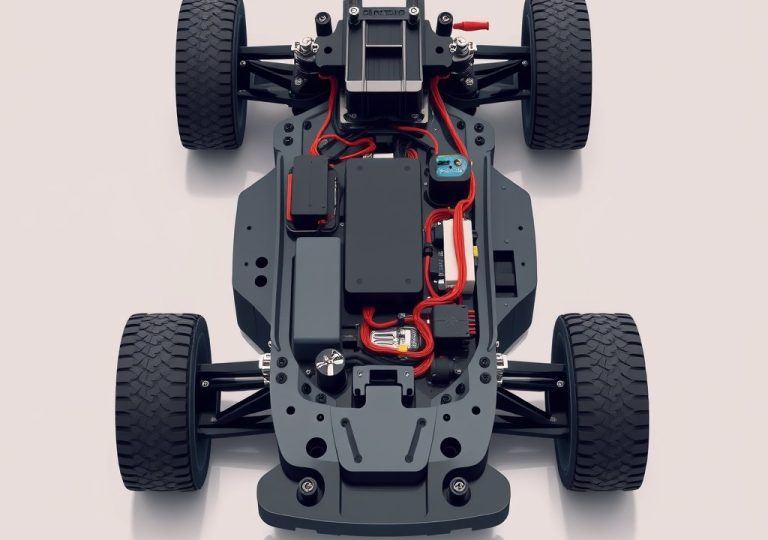
An RC car is a small vehicle controlled by a handheld transmitter. The transmitter sends radio signals to a receiver inside the car. The receiver then tells the motor and steering servo what to do.
RC cars range from small toys to large hobby models built for speed or off-road driving. Most hobby-grade cars are powered by rechargeable batteries rather than disposable ones. This is one reason many beginners learn about battery types early.
How Remote-Controlled Cars Work
The basic system has three main parts: the transmitter, the receiver and the car’s electronics. You move a stick or wheel on the transmitter. That movement becomes a radio signal that the receiver reads.
The receiver sends instructions to the electronic speed controller, which manages the motor, and to the steering servo, which turns the front wheels. Because of this chain, a well-built car responds smoothly to small inputs. In short, the transmitter is your control, and the car does the work.
Common Types of RC Cars for Beginners
Beginners often start with on-road cars, which run on smooth surfaces such as parking lots. Off-road models handle grass, dirt and gravel more easily. Monster trucks and buggies are popular for their large wheels and tough look.
Many beginners choose an off-road or truck style because it tolerates bumps and small mistakes well. The type you pick matters less than the choice between RTR and kit, which affects your early experience the most.
What Does RTR Mean in RC Cars?
RTR, or ready to run, describes a car that arrives nearly complete. The chassis, body, motor, electronics and transmitter are usually already assembled. Your main job is to charge the battery and start driving.
This format is the most common way that new hobbyists enter the sport. It removes the building stage and lets you focus on learning how the car handles.
What Comes in the Box
An RTR package typically includes the assembled car body and chassis, a transmitter, a receiver already installed, and the electronics. Many also come with a charger and sometimes a battery, though this varies by model and brand.
Always read the product description carefully. Some packages include everything, while others leave out the battery or charger. Checking this before you order prevents surprises.
What You Still Need to Add
Even a complete-looking RTR may need a few extra items. The most common needs are a suitable battery and a compatible charger, because the battery type and connector must match the car’s electronics. Some buyers also add spare parts, a small toolkit and a stand for maintenance.
Checking the required battery size and connector type before purchase helps you avoid buying the wrong parts.
What Does Kit Mean in RC Cars?
A kit RC car arrives as a box of parts and instructions. You assemble the chassis, suspension, drivetrain, steering and body yourself.
Some kits also require you to solder wires or install electronics.
Kits suit people who enjoy hands-on projects. They give you a deep knowing of how the car works, which can help you repair it later.
What Comes in a Kit
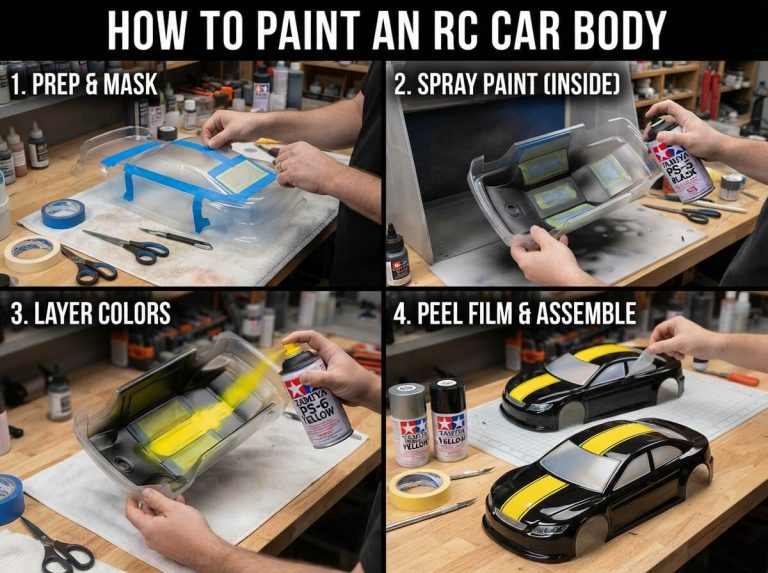
A typical kit includes a chassis, suspension parts, gears, screws, a printed or written manual and sometimes a body that needs painting or trimming. Electronics are often sold separately, so you may need to buy a motor, speed controller, servo, receiver and transmitter. Because of this, the total cost can rise quickly.
Kit contents vary widely. Some kits are nearly ready to run except for electronics, while others are built from scratch. Read the list carefully before you buy.
Building Skills You Gain From a Kit
Building a kit teaches you basic mechanical skills. You learn how gears mesh, how suspension geometry affects handling and how to tighten fasteners correctly. These lessons carry over to maintenance and tuning later.
The process also builds patience and attention to detail. In practice, many builders say the car feels more familiar to them once it is finished. That said, building takes time, and mistakes can slow progress.
RTR vs Kit RC Car: Key Differences
The main differences between an RTR and a kit come down to time, cost, repairs and skill. Each factor shapes your experience in a different way. Looking at them one by one makes the choice clearer.
Build Time and Effort Compared
An RTR car needs little or no assembly, so you can drive within an hour or so after charging the battery. A kit can take many hours or several days, depending on its complexity and your experience. Build time is the biggest practical difference.
If you want to drive right away, the RTR wins. If you enjoy the building process itself, a kit offers more satisfaction.
Cost Differences Between RTR and Kit Models
Prices vary by brand, quality and included parts, so exact figures are hard to predict. In general, a kit can look cheaper at first, but the cost of electronics, tools and power can add up. An RTR usually has a clearer price because the main parts come together in one package.
Before comparing prices, add up everything you need to run the car. This gives you a fair total for each option.
Repair, Upgrades and Customization
Both types can be repaired and upgraded. Kit builders often know their car well, which makes diagnosing problems easier. RTR owners may need to learn how the parts fit together when something breaks.
Upgrades are available for most popular models. Because of this, you can improve an RTR over time, though some factory-installed parts may be harder to replace than kit parts.
Skill Level Needed for Each Option
An RTR asks for basic charging and driving skills. A kit asks for mechanical care, careful reading of instructions and sometimes soldering. Neither requires expert knowledge, but a kit demands more patience and practice.
Think about the skills you already have. Your comfort with tools and manuals will shape which option feels easier.
Which Option Fits a Beginner Best?
For most beginners, an RTR is the simpler starting point. It lets you learn driving, battery care and basic maintenance without a long build. Still, a kit can suit someone who wants a deeper, hands-on challenge.
Who an RTR RC Car Suits
An RTR suits people who want to drive quickly and learn the hobby step by step. It also fits anyone who prefers a clear, predictable starting point. Families and gift buyers often choose RTR models for this reason.
If you have little time to build, an RTR is usually the better choice. It gets you on the road sooner.</ to.
Who a Kit RC Car Suits
A kit suits people who enjoy building and want to understand every part of their car. It also fits anyone who plans to tune, modify or race in the future. Many hobbyists see the build as part of the fun.
If you like working with tools and reading manuals, a kit can be rewarding. Just expect a slower start.
Questions to Ask Before You Buy
Start with a few honest questions. How much time do you have to build? What is your total budget, including battery and charger? Do you want to drive now or learn mechanics first?
Your answers will point you toward the right option. In short, match the car to your goals rather than to what looks most impressive.
Tips for Getting Started With Your First RC Car
A few simple habits make the early months much smoother. Good battery handling and a suitable place to drive matter as much as the car itself. These tips apply to both RTR and kit owners.
Picking the Right Battery and Charger
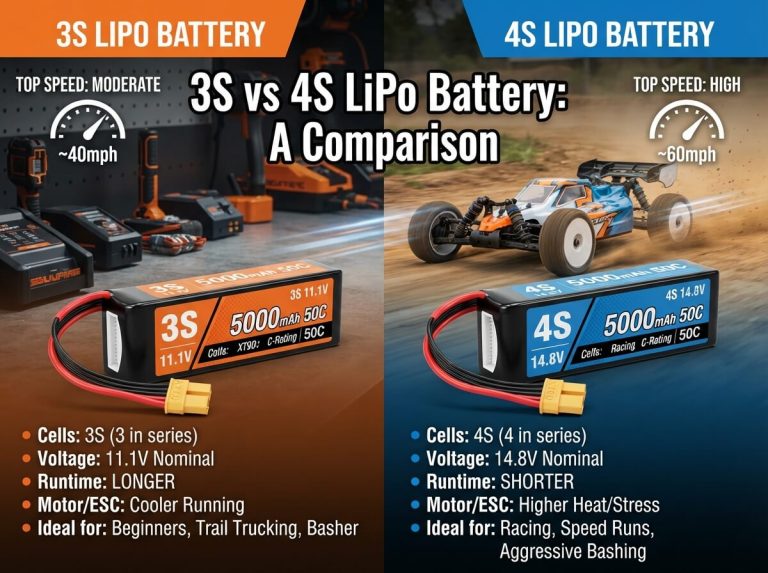
Match the battery type, size and connector to what the car’s electronics expect. Using the wrong battery can damage the electronics or cause unsafe charging. Always use the charger designed for your battery chemistry.
Read the charging instructions and never leave a charging battery unattended. Store batteries at the recommended charge level when you are not using them.
Basic Safety and Care Tips
Let the motor and battery cool after a run before you touch them. Keep fingers and loose clothing away from moving parts. Check screws and wheels regularly, because vibration can loosen them over time.
Clean dust and dirt from the car after use. This simple habit extends the life of bearings and gears.
Where to Run and Practice Your RC Car
Choose a flat, open area without people, pets or traffic nearby. Parking lots during quiet hours, empty sports fields and purpose-built RC tracks are common choices. Always get permission before driving on private land.
Start slowly and learn how the car responds. Speed can come later, once steering and braking feel natural.
Common Mistakes Beginners Make With RC Cars
Most early problems come from a few predictable habits. Knowing them in advance can save money and frustration. Each mistake is easy to avoid once you recognize it.
Buying Too Big or Too Fast Too Soon
Many beginners choose a large, fast model because it looks exciting. These cars can be hard to control and expensive to repair after a crash. A smaller, slower car usually makes learning easier.
Start with a model you can handle comfortably. You can move up to faster or larger cars once your skills improve.
Skipping Maintenance and Spare Parts
Ignoring maintenance is a common reason cars stop working well. Dirt, loose screws and worn parts reduce performance over time. Regular checks prevent many small problems from becoming big ones.
Keep a few spare parts on hand, such as wheels, screws and drive components. Having them ready means a broken part does not end your session.
Frequently Asked Questions
Is an RTR RC car good for complete beginners?
Yes, an RTR is often a good choice for complete beginners. It arrives mostly assembled, so you can start driving soon after charging the battery. Choose a model with parts that are easy to find and replace.
Do I need tools to build a kit RC car?
Most kits need basic hand tools, such as hex drivers, pliers and a small screwdriver. Some kits also require soldering equipment for electronics. Check the kit’s requirements before you buy.
Is a kit RC car cheaper than an RTR model?
Not always. A kit can look cheaper at first, but electronics, tools, batteries and chargers often come separately. Add up the full cost of each option before deciding.
Can I upgrade an RTR RC car later?
Yes, many RTR models can be upgraded over time. Popular brands usually offer compatible parts such as motors, tires and suspension components. Some factory-installed parts may be har der to replace, so check availability before you start upgrading.
How long does it take to build a kit RC car?
Build time depends on the kit’s complexity and your experience. Many beginners spend several hours over a few sessions. Working slowly and checking each step helps prevent costly errors.
Conclusion
The choice between an RTR and a kit RC car comes down to your goals. An RTR gets you driving quickly with less effort. A kit rewards patience and gives you a deeper knowing of how the car works.
For most beginners, an RTR is the simpler place to start. Whichever you choose, add the right battery, handle it with care and practice in a safe area. With those habits, your first RC car can become an enjoyable and lasting hobby.
Peterson is an RC hobby enthusiast and product reviewer with a passion for remote-controlled cars, trucks, boats, drones, and accessories. He enjoys testing the latest RC products, comparing features, and sharing practical buying guides to help beginners and experienced hobbyists make informed decisions. Through RCThing.com, Peterson provides honest reviews, maintenance tips, and expert advice to help readers get the most from their RC adventures.