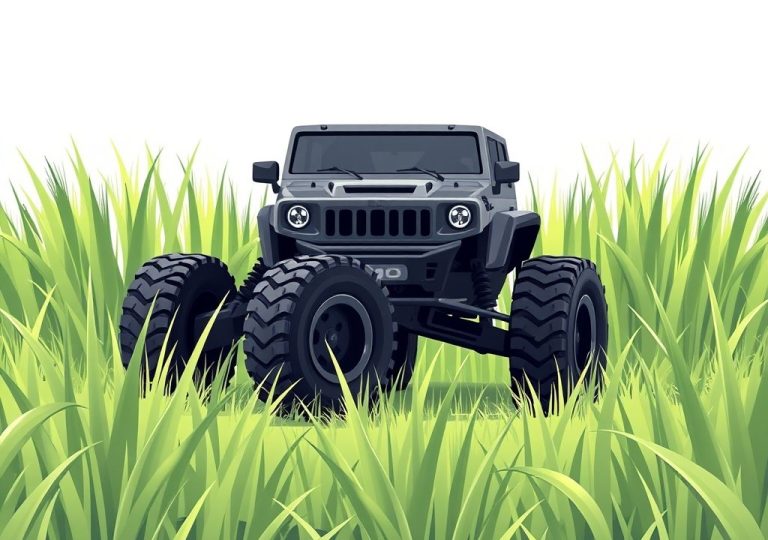
How Fast Can An Rc Car Go?
Radio-controlled vehicles offer a wide range of performance levels for enthusiasts. Beginners often ask how fast can an RC car go when they first start exploring the hobby. This article details the mechanical and electrical factors that influence speed. It also provides a clear overview of what speed ranges to expect from different types of models.
Key Takeaways
- Entry-level hobby models typically reach speeds between 15 and 30 miles per hour.
- Battery voltage and motor type are the primary drivers of acceleration and top speed.
- Gear ratios allow owners to trade acceleration for higher top-end velocity.
- Aerodynamics and surface conditions significantly impact how a car performs at high speeds.
How Fast Can an RC Car Go?
The speed of an RC car depends on its intended use and build quality. Toy-grade vehicles found in department stores are usually designed for durability and ease of use rather than high speeds. These cars often reach speeds of 5 to 10 miles per hour. Hobby-grade vehicles offer much higher performance potential. Manufacturers design these models with replaceable parts and adjustable components. As a result, they can reach significantly higher speeds than their toy-grade counterparts. Most hobby cars designed for general bashing or racing hit speeds between 20 and 50 miles per hour. Highly specialized speed-run vehicles can exceed 100 miles per hour under controlled conditions. Speed in this hobby is a result of calculated engineering choices.
Factors That Determine Top Speed
Several technical components work together to propel an RC car forward. The motor converts electrical energy into motion, while the battery provides the fuel. These two elements form the core of the power system. Mechanical components such as gears and tires also play a role. If any part of this system is restricted, the vehicle will not reach its theoretical maximum speed. Balancing these factors is how engineers create different performance profiles.
The Role of Motors and Power Systems
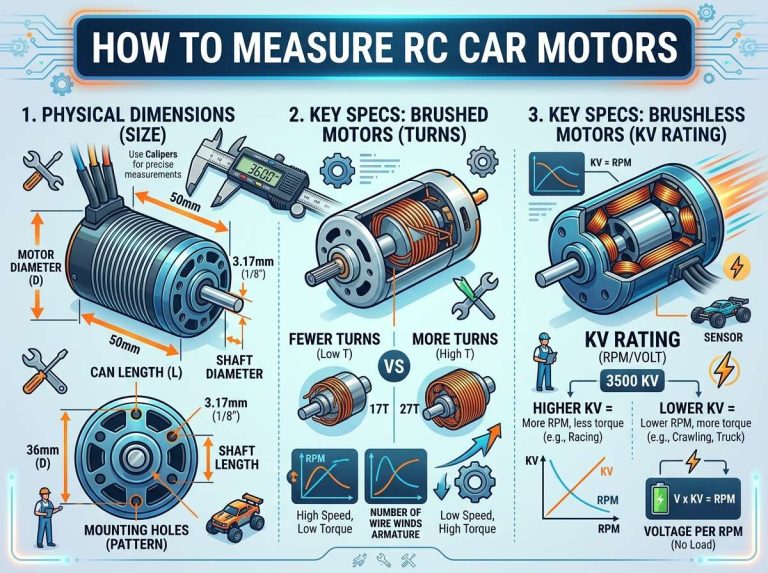
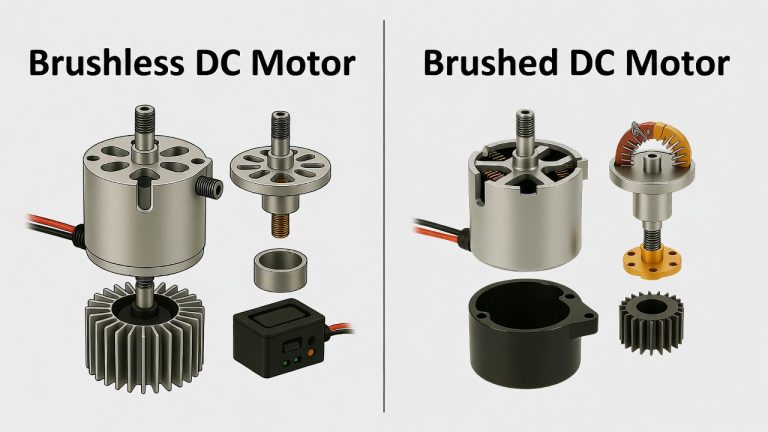
Electric RC cars use either brushed or brushless motors. Brushed motors are common in entry-level models because they are inexpensive and simple to operate. They provide sufficient power for casual driving but have lower efficiency ratings. Brushless motors are the standard for high-performance vehicles. They use magnets and electronic speed controllers to deliver power more efficiently. Because they generate less heat and friction, they allow for much higher rotational speeds.
Battery Voltage and Capacity
The battery acts as the power source for the entire vehicle. Voltage dictates the potential speed, as higher voltage pushes more power to the motor. Many hobbyists use Lithium Polymer, or LiPo, batteries for their high energy density. Capacity, measured in milliamp-hours, determines how long the car runs. While capacity does not increase top speed, a battery with a high discharge rate ensures the motor receives enough power during acceleration. A weak battery can cause a performance drop even if the motor is capable of more.
Gearing and Drivetrain Efficiency
Gearing is the mechanical link between the motor and the wheels. Changing the pinion gear, which attaches to the motor, alters the final drive ratio. A larger pinion gear increases top speed but puts more stress on the motor. Drivetrain efficiency refers to how easily the power reaches the tires. Bearings, differentials, and drive shafts must spin freely to minimize energy loss. If the drivetrain has too much friction, the motor must work harder, which limits the top speed.
Surface Conditions and Aerodynamics
Surface conditions dictate how much power the tires can transfer to the ground. Smooth pavement provides the best traction for speed runs, while loose dirt or grass causes tire spin. Excessive wheel spin prevents the car from reaching its peak velocity. Aerodynamics also become important at high speeds. Many RC bodies act like wings, which can lift the car off the ground. Specialized speed cars use aerodynamic shells to keep the vehicle planted on the surface.
Typical Speed Ranges by Vehicle Type
The design purpose of an RC car heavily influences its speed capabilities. Rock crawlers are built for torque and precision rather than velocity. Conversely, on-road racing cars focus on grip and high-speed cornering. Most manufacturers list the approximate top speed on the box. These numbers usually reflect the performance possible with the recommended battery and gearing. Real-world results may vary based on the driver’s setup.
Entry-Level Hobby Grade Models
Entry-level models are great for learning the basics of driving. They are often built with composite materials that handle crashes well. These cars usually feature brushed motors and standard battery connectors. Drivers can expect speeds in the 15 to 30 miles per hour range. These cars are fast enough to be exciting but remain manageable for beginners. They provide a balanced experience for driving in driveways or parks.
High-Performance Racing Vehicles
Racing vehicles are built for track performance. They prioritize acceleration and handling over raw top speed. These cars feature precision suspension systems and high-quality brushless motors. On a typical race track, these cars reach speeds between 30 and 45 miles per hour. Speed is less important than consistency and cornering ability in a racing environment. These vehicles are designed to handle the rigors of competitive events.
Speed Run and Specialized RC Cars
Speed run vehicles are built for one purpose: going as fast as possible in a straight line. They often feature long, aerodynamic chassis and high-voltage power systems. These cars are not intended for general track use. These specialized machines can easily exceed 70 miles per hour. Some custom builds even push past the 100 miles per hour mark. These models require a large, smooth area and advanced driving skills to operate safely.
How to Measure Your RC Car Speed
Many enthusiasts want to know the exact speed of their vehicles. Estimating speed by eye is often inaccurate because small cars look faster than they actually are. Several tools help provide precise data.
Using GPS Speedometers
A small GPS speedometer is the most accurate way to measure top speed. These devices record the satellite position of the car as it moves. The device then calculates the velocity based on the change in position over time. Some modern RC radios include telemetry features that display speed in real-time. These systems require a separate sensor installed in the vehicle. This allows the driver to monitor performance without needing to stop the car.
Calculating Speed Through Gear Ratios
Mathematicians can calculate theoretical top speed using gear ratios and tire diameter. This calculation involves the motor’s revolutions per minute and the final drive ratio. It provides a baseline for what the car should achieve. However, this method does not account for wind resistance or rolling friction. It serves as a useful estimate during the setup process. Most hobbyists prefer using GPS data for a more realistic speed reading.
Frequently Asked Questions
Do more expensive RC cars always go faster?
Not necessarily. A high price tag often reflects better materials, superior suspension, or advanced electronics rather than raw speed. Some expensive vehicles are designed for slow-speed crawling, while less expensive cars may focus on simple high-speed performance.
Can I make my slow RC car go faster?
Yes, you can often increase speed by changing the gear ratio or upgrading to a more powerful motor. Ensure that your battery and electronic speed controller can handle the increased power demands before making changes. Always check the manufacturer’s guidelines to avoid damaging your components.
What is the fastest speed an RC car can reach?
Highly modified speed-run RC cars have reached speeds exceeding 150 miles per hour in controlled tests. These vehicles use custom-built chassis and specific high-voltage setups to achieve such results. Such speeds are rarely seen in everyday hobby use.
Does the terrain affect how fast my car drives?
Terrain has a significant impact on achievable speed. Smooth, hard surfaces allow for maximum traction and efficiency. Soft surfaces like grass or sand create drag and cause tires to spin, which prevents the vehicle from reaching its top speed.
Why do some RC cars have different motor types?
Different motor types serve different driving needs. Brushed motors are simple and reliable for casual use, while brushless motors offer high efficiency and power for speed and racing. The choice depends on the intended application and the budget of the driver.
Summary of RC Car Performance
Learning how fast an RC car can go involves looking at the entire power system. Motors, batteries, and gearing all work in tandem to produce speed. Beginners should start with hobby-grade models that offer a balance of performance and control. Speed is an exciting part of the hobby, but it is just one aspect of RC ownership. Handling, durability, and maintenance are equally important for a positive experience. As you gain skill, you can adjust your vehicle to better suit your driving style.
Peterson is an RC hobby enthusiast and product reviewer with a passion for remote-controlled cars, trucks, boats, drones, and accessories. He enjoys testing the latest RC products, comparing features, and sharing practical buying guides to help beginners and experienced hobbyists make informed decisions. Through RCThing.com, Peterson provides honest reviews, maintenance tips, and expert advice to help readers get the most from their RC adventures.