
Nitro Vs Electric Rc Cars
Nitro vs electric RC cars is one of the first questions new hobbyists ask. Both types are radio-controlled cars you drive with a handheld transmitter, but they make power in very different ways. Knowing those differences helps you pick the right model and avoid frustration later.
This guide explains how each type works, what they need to run, and how they compare on speed, noise, upkeep and cost. It also covers practical tips for getting started. By the end, you should have a clear sense of which type fits your goals.
Key Takeaways
- Nitro RC cars run on a small combustion engine that burns a special fuel mix.
- Electric RC cars use a rechargeable battery and an electric motor, so they are quieter and simpler to start.
- Nitro models need more regular maintenance, tuning and cleaning.
- Electric models are usually easier for beginners, though battery care still matters.
- Your choice depends on where you plan to drive, how much upkeep you want and your budget.
What Is the Difference Between Nitro and Electric RC Cars?
The main difference is the power source. A nitro car uses a tiny engine, while an electric car uses a motor powered by a battery. This one difference shapes almost everything else, from sound and smell to maintenance and running time.
What Is an RC Car?
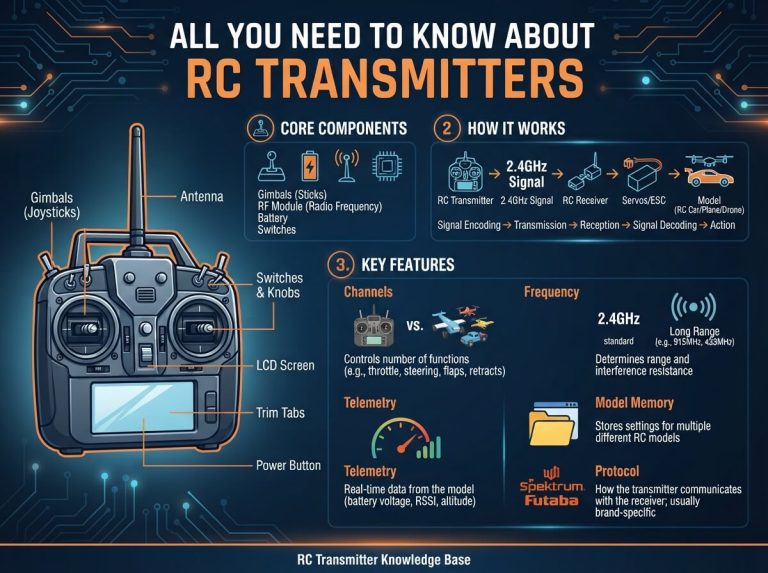
An RC car is a small model vehicle you control from a distance using a handheld radio transmitter. The transmitter sends signals to a receiver inside the car. The receiver then tells the steering servo and the drive system how to move.
RC cars come in many sizes and styles, including buggies, trucks and racing models. Most hobbyists buy one for fun, racing or learning mechanical skills. The power system is the part that varies most between models.
What Does “Nitro” Mean in RC Cars?
Nitro refers to a fuel blend that contains nitromethane, along with methanol and oil. A nitro car uses a small internal combustion engine that runs on this blend. The engine works much like a tiny version of the engine in a lawn mower or small motorbike.
Nitro is a name for the fuel type, not the engine itself. You will still need to mix or buy fuel, and you will need to handle it with care.
What Does “Electric” Mean in RC Cars?
Electric RC cars use a rechargeable battery to power an electric motor. The motor turns the wheels through a set of gears. There is no fuel, no exhaust and no engine to tune.
Electric is the more common choice for newer buyers. It offers a simpler setup. You charge the battery, connect it and drive.
How Nitro RC Cars Work
A nitro car works by burning fuel inside a small engine. That combustion creates the power that turns the wheels. Learning this basic process helps explain why these cars need more attention than electric models.
The Engine and Fuel Mix
The engine in a nitro car is a two-stroke or four-stroke design, depending on the model. It draws in a fuel mix, compresses it and ignites it with a glow plug. The glow plug is a small heating element that helps start and keep the combustion going.
The fuel mix usually contains methanol, nitromethane and lubricating oil. The oil protects the engine’s moving parts. Fuel percentages vary, and the right blend depends on the engine and the manufacturer’s advice.
Starting, Tuning and Break-In Basics
Starting a nitro car takes a few steps. You prime the engine, set the choke if needed, and use a starter to turn it over. The glow plug then keeps the engine firing until it runs on its own.
Tuning means adjusting the carburetor needle so the engine gets the right fuel-to-air mix. A lean mix can overheat the engine, while a rich mix can make it run poorly. Break-in is a the first few tanks of fuel, run the engine at low to moderate throttle so the moving parts can wear in gently. Most manufacturers give specific break-in steps, and following them helps the engine last longer.
Maintenance Needs for Nitro Engines
Nitro engines need regular care. Fuel residue and dust can build up, so cleaning the air filter after each run is a good habit. The engine also needs occasional checks on the glow plug, clutch and cooling fins.
Some owners also keep a few spare parts on hand, such as glow plugs and fuel lines. Routine upkeep keeps the engine reliable and makes problems easier to spot early.
How Electric RC Cars Work
An electric car turns stored battery energy into motion. The battery sends current to a motor, and the motor spins the drivetrain. There is no combustion, so the process is quieter and cleaner.
Batteries and Motors Explained
Most electric RC cars use rechargeable battery packs. These packs store energy and release it on demand. The motor converts that electrical energy into rotation.
An electronic speed controller, often called an ESC, sits between the battery and the motor. It manages how much power reaches the motor. This lets you control acceleration and top speed smoothly.
Brushed vs Brushless Motors
A brushed motor uses small carbon contacts, called brushes, to carry current to a spinning part. Brushed motors are simple and usually cost less. They wear over time, so the brushes eventually need replacing.
A brushless motor has no brushes. It uses magnets and electronic control instead. Brushless systems tend to be more efficient and need less maintenance, though they usually cost more to buy.
Charging and Battery Care
Charging is a simple process, but it needs care. Use the charger that matches your battery chemistry, and never leave a battery charging unattended. Let packs cool before and after charging.
Store batteries at a moderate charge when you will not use them for a while. Avoid letting them drain completely. Good battery habits help packs last longer and stay safe.
Nitro vs Electric RC Cars: Side-by-Side Comparison
Both types can be fun, but they feel different to own and run. The comparison below covers the points beginners usually ask about most. Keep in mind that exact results depend on the specific model and setup.
Power and Speed
Nitro cars often have a strong, growing power band that suits open outdoor driving. Electric cars deliver instant torque, which gives quick acceleration from a standstill. Top speed varies widely between models, so comparing specific products is more useful than general rules.
Noise and Smell
A nitro engine is loud and produces a distinct exhaust smell from the fuel. Many neighborhoods and parks have rules about noise. An electric car is much quieter, mostly making a whirring or humming sound from the motor and gears.
Running Time and Refueling vs Recharging
Nitro cars refuel in under a minute by adding fuel to the tank. Running time depends on the tank size and how hard you drive. Electric cars need a full recharge, which takes longer, so many owners keep spare packs ready.
Upkeep, Cleaning and Repair Costs
Nitro cars need more cleaning and engine care, and fuel and parts add to the ongoing cost. Electric cars need less routine upkeep, but replacement batteries can be a significant expense. Costs vary with model, parts and how often you drive, so checking current prices is wise.
Ease of Use for Beginners
Electric cars are generally easier for beginners. You charge, connect and drive without tuning an engine. Nitro cars reward patience and mechanical interest, but they take more time to learn.
Which Type Fits Your Needs?
The right choice depends on your goals, your space and how much hands-on work you enjoy. Think about where you plan to drive before you buy. That answer often settles the decision quickly.
Best Uses for Nitro RC Cars
Nitro Nitro cars suit people who enjoy mechanical work and want a hands-on hobby. They are a good fit for open outdoor areas where noise is less of a concern. Many hobbyists enjoy the process of tuning and maintaining the engine as much as driving.
Best Uses for Electric RC Cars
Electric cars suit people who want to start driving quickly with minimal setup. They are also a good choice for indoor use, backyards and shared spaces where quiet operation matters. Many beginners prefer them because they require less routine care.
Where You Can Run Each Type
Nitro cars need open space, since the noise and exhaust make them unsuitable for small or crowded areas. Electric cars can run in parks, parking lots, gyms and some indoor spaces, depending on the venue’s rules. Before driving, check local regulations and ask permission where needed. Good spots are often found at dedicated RC tracks, which may offer clear rules and safe layouts.
Tips for Getting Started With Your First RC Car
A little preparation makes the first few runs far more enjoyable. Plan your gear and learn a few basic habits before you head outside. These steps also help you avoid common problems.
Basic Gear and Tools to Have on Hand
Keep a basic set of hex drivers, a small screwdriver set and a clean cloth nearby. For nitro cars, add a glow plug igniter, a fuel bottle and a pump or starter. For electric cars, keep a suitable charger and spare batteries if you plan longer sessions.
Safe Running and Basic Care Habits
Drive in clear areas away from people, pets, roads and water. Check screws and wheels before each run, since loose parts cause many problems. After each session, wipe down the car and let it cool before storing it.
Common Beginner Mistakes to Avoid
A common mistake is charging batteries without checking the charger settings first. Another is running a nitro engine without proper break-in. Many beginners also drive too fast before learning to control the car, so start slowly and build confidence over time.
Frequently Asked Questions
Are nitro RC cars harder to maintain than electric ones?
Yes, in general they need more regular care. Nitro engines require cleaning, tuning and periodic checks of parts like the glow plug and air filter. Electric cars need less routine upkeep, though batteries still need proper care.
Are electric RC cars always faster than nitro models?
No, speed depends on the specific model, motor, battery and gearing. Some nitro cars reach high top speeds, while some electric models are faster off the line. It is better to compare individual products than rely on general rules.
Is a nitro RC car too loud for a backyard?
It can be, since nitro engines are noticeably loud. Neighbors may object, and some areas have noise limits. Check local rules and consider an electric model if quiet operation matters to you.
How long does an electric RC battery last?
Battery life depends on the pack type, how it is cared for and how hard you drive. Good charging and storage habits help packs last longer. Running time per charge varies widely, so check the specifications of the battery you plan to use.
Can a complete beginner start with a nitro RC car?
Yes, though it takes more learning. Beginners should expect to spend time on starting, tuning and break-in. Many people find an electric model easier to begin with and move to nitro later if they want the challenge.
Conclusion
Nitro and electric RC cars differ mainly in their power source. Nitro cars burn fuel and need regular tuning and cleaning. Electric cars run on batteries and are quieter and simpler to start.
For most beginners, an electric car offers an easier path into the hobby. Nitro models reward those who enjoy mechanical work. Consider your space, noise limits, budget and how much upkeep you want before you decide.
Peterson is an RC hobby enthusiast and product reviewer with a passion for remote-controlled cars, trucks, boats, drones, and accessories. He enjoys testing the latest RC products, comparing features, and sharing practical buying guides to help beginners and experienced hobbyists make informed decisions. Through RCThing.com, Peterson provides honest reviews, maintenance tips, and expert advice to help readers get the most from their RC adventures.
One Comment