How To Waterproof Rc Car
Learning how to waterproof an RC car helps protect the electronics, motor and moving parts from water damage. Many RC cars are built for dry use, so a splash or a short run through puddles can cause trouble if nothing is done first. This guide explains the basics in plain words.
You will learn what waterproofing really means, which parts need the most protection and which methods suit a beginner. You will also see a simple step-by-step process, common mistakes to avoid and how to care for the car after it gets wet. No special skills are needed to start.
Key Takeaways
- Most RC cars are water resistant at best, so full waterproofing takes extra steps.
- The receiver, battery, ESC and motor need the most protection from moisture.
- Dielectric grease, heat shrink tubing and protective covers are common beginner options.
- Always dry and lubricate the car after water exposure to prevent rust and wear.
- Test the sealed setup on dry ground before you run it in wet conditions.
What Waterproofing an RC Car Really Means
Waterproofing means blocking water from reaching the parts that can be harmed by it. For an RC car, that usually means the electronics, the battery connections and the motor. It does not mean the whole car will run underwater.
Most RC cars leave the factory with little or no real sealing. The goal of waterproofing is to add a barrier so water cannot easily get in. This makes the car more forgiving when it meets rain, mud puddles or wet grass.
Why Water Damages RC Electronics
Water can carry tiny bits of dirt and minerals. When it touches a circuit board, it can create short circuits that cause the electronics to fail. Water also speeds up corrosion on metal contacts.
Moisture left inside the car can cause problems even after the water is gone. Rust can form on screws, bearings and connectors over time. For this reason, drying matters as much as sealing.
Splash Resistant Versus Fully Waterproof
Splash resistant means the car can handle light water, such as a shower of rain or a quick splash. Fully waterproof means water is kept out of the sealed parts even during longer exposure. Many cars sold as waterproof are only splash resistant in practice.
Knowing this difference helps set realistic expectations. A DIY seal is usually a form of splash protection. It can help a lot, but it is still wise to avoid deep water.
What Parts Need Protection the Most
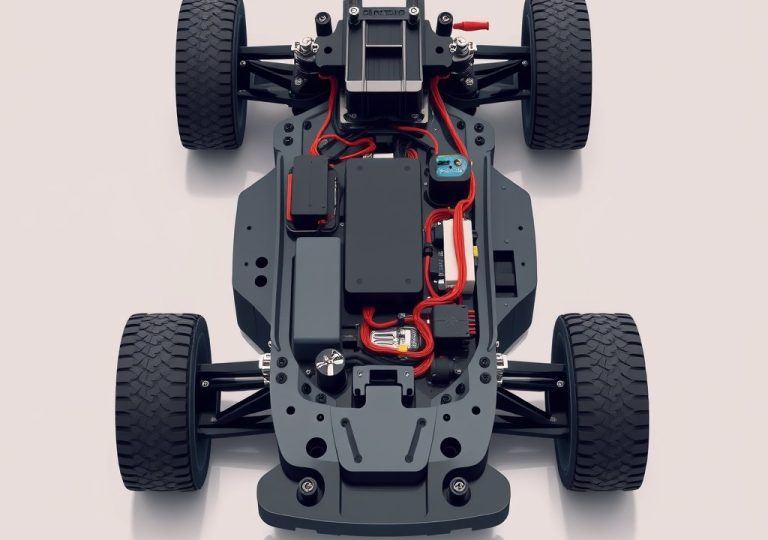
The receiver and electronic speed controller, often called the ESC, are the most sensitive parts. They control how the car responds and send power to the motor. Damage here can stop the car completely.
The battery connectors, the motor and the bearings also need attention. The motor can take in water through its housing, and bearings can rust or seize if they stay wet.
Basic Ways to Protect an RC Car From Water
There are a few simple ways to add protection without changing the car much. Most beginners start with covers and sealing before moving to more advanced options. Each method has its own strengths.
Using Waterproof Electronics Covers
A waterproof electronics cover, sometimes called an electronics box or case, sits over the receiver and ESC. It keeps water away from the circuit board while still letting the wires pass through. Many covers use a rubber gasket to close the gap.
Covers are easy to install and easy to remove for inspection. They work well as a first layer of protection. Make sure the cover fits your specific chassis, since sizes vary between models.
Sealing the Receiver, Battery and ESC Compartments
Compartments that open to the outside can let water seep in. Sealing the lid edges with a rubber gasket or a bead of silicone sealant can close these gaps. Use only the amount needed so the lid still opens.
Battery compartments also need needs a secure fit. Seal the edges and check that the battery connector is covered. This keeps the power system dry during a run.
Protecting Bearings, Motors and Gears
Bearings are small metal rings that let the wheels and shafts turn smoothly. Water can wash away their lubricant and let rust form. After wet use, clean the bearings and apply a light bearing oil.
The motor and gears can also collect grit and water. A thin coat of gear grease on the gears helps them run smoothly. Keep the motor housing clean and check it for moisture after each run.
Step-by-Step Guide to Waterproofing Your RC Car
A simple process helps beginners avoid missed spots. The steps below follow a logical order. Work slowly and check each part as you go.
Gather the Right Supplies and Tools
You will need a small set of hex drivers, a soft brush, isopropyl alcohol for cleaning, dielectric grease, silicone sealant, heat shrink tubing and a rag. Having everything ready makes the job smoother. Choose products labeled for electronics or RC use when possible.
Clean and Dry the Car Before Sealing
Remove dirt, mud and grit with a brush and a damp cloth. Then dry the car fully, including inside the chassis. Sealing a wet car traps moisture and can cause more harm than good.
Seal Electronics, Wires and Connectors
Apply dielectric grease to the battery and motor connectors. This non-conductive grease blocks moisture and keeps contacts clean. Cover exposed wire joints with heat shrink tubing, then shrink it gently with a heat gun on a low setting.
Place the electronics cover over the receiver and ESC. Add a gasket or a thin bead of silicone sealant around the lid edges. Let the sealant cure fully before the car is used.
Lubricate Moving Parts After Water Exposure
Once the electronics are sealed, turn to the moving parts. Clean the bearings, then apply a small drop of bearing oil. Add gear grease to the gears and check the driveshafts for wear.
Use only a small amount of lubricant. Too much can attract dirt and make the parts gummy.
Test the Setup Safely Before Running Wet
Before any wet run, power on the car on dry ground. Listen for odd sounds and check that every function responds. Look for any signs of moisture around the seals.
Start with a short, light test in damp conditions. Watch the car closely and stop if anything seems wrong. Build up to longer runs only after the setup has proven reliable.
Waterproof Electronics and Components Explained
Some components are sold as waterproof or water resistant. Knowing what these terms mean helps you choose wisely. Upgrades can add protection, but they still need proper sealing.
Conformal Coatings and Dielectric Grease
Conformal coating is a thin protective film applied to circuit boards. It helps block moisture and dust. Dielectric grease is a non-conductive grease that fills gaps around connectors. It does not conduct electricity, so it can be used around contacts.
Both products add protection, but they serve different roles. Coatings cover boards, while grease covers connections. Many beginners use grease first because it is easier to apply.
Waterproof Servos, Receivers and Motors
Some servos, receivers and motors are sold with sealed housings. These parts resist water better than standard versions. They usually cost more, and their sealing level varies by brand. Read product descriptions carefully before buying.
Even sealed parts can fail if the seal is damaged. Check seals regularly, especially after impacts or long use.
Sealed Bearings and Why They Matter
Sealed bearings have small rubber shields that keep dirt and water out. They tend to hold up better in wet and muddy conditions than open bearings. Sealed bearings still need occasional cleaning and light oil.
Upgrading to sealed bearings is a common choice for drivers who run in wet areas. The change is possible to make on most cars, though fit should be checked first.
Comparing Common Waterproofing Methods
Several methods can protect an RC car from water. Each one has trade-offs in cost, effort and level of protection. Comparing them helps you pick the right approach for your needs.
Dielectric Grease Versus Conformal Coating
Dielectric grease is easy to apply and remove. It works well on connectors and battery contacts. Conformal coating offers broader coverage for circuit boards but is harder to remove later.
For most beginners, grease is the simpler starting point. Coating suits people who want longer-lasting board protection and are comfortable with a more involved process.
Heat Shrink Tubing Versus Silicone Sealant
Heat shrink tubing covers wire joints neatly and holds them in place. It needs a heat source and careful use. Silicone sealant fills gaps around lids and seams and needs no heat, but it takes time to cure.
Both materials have a clear role. Tubing protects wires, while sealant closes openings in the housing.
Ready-Made Waterproof Kits Versus DIY Sealing
Ready-made kits often include covers, gaskets and sealed parts designed to fit a specific model. They save time and reduce guesswork. The cost is usually higher than buying supplies one by one.
DIY sealing costs less and lets you adapt to any car. It takes more care and planning to get a good result.
Common Mistakes Beginners Make
Most waterproofing problems come from a few avoidable errors. Knowing them in advance helps you get better results on the first try. Careful work matters more than fancy products.
Sealing Too Much and Trapping Moisture
Adding too much sealant or sealing a damp car can trap moisture inside. The water then has no way out and can cause corrosion. Always dry the car fully before sealing.
Using the Wrong Lubricant or Sealant
Some common household oils and sealants are not made for electronics. They can attract dirt, damage plastic or conduct electricity. Use products labeled for RC or electronic use.
Forgetting to Dry and Maintain the Car
Many drivers seal the car once and forget about it. Seals can wear, grease can spread and water can slip in over time. Regular checks keep the protection working.
Caring for Your RC Car After Water Use
Good care after a wet run is just as important as the sealing itself. A short routine helps prevent rust and keeps the car running well. Small habits add up over time.
Drying and Cleaning Steps to Follow
After a wet run, remove the battery and wipe the car down. Dry the chassis, wheels and motor area with a clean cloth. Let the car air dry in a warm, open space before storing it.
Avoid using high-pressure water or a heat gun to speed drying. These can push water deeper or damage parts.
Inspecting Seals and Parts Over Time
Check gaskets, sealant edges and heat shrink tubing for cracks or gaps. Look at bearings and gears for rust, grit or dry spots. Replace worn seals before they fail.
Frequently Asked Questions
Can I run my RC car in the rain?
Light rain may be manageable for a sealed car, but heavy rain is risky. Water can still enter gaps over time. Start with light conditions and watch the car closely.
Is dielectric grease enough to waterproof an RC car?
Dielectric grease protects connectors well, but it does not seal the whole car. It works best as one part of a larger plan. Pair it with covers and gaskets for better results.
Do I need to waterproof the whole RC car or just the electronics?
Protecting the electronics is the most important step. Bearings, motors and gears also benefit from care after water use. Focus on the sensitive parts first.
How do I know if water has gotten inside my RC car?
Signs include od ors, rust spots on screws or bearings, sluggish or erratic response, and moisture beads under the lid. Check the battery connectors and receiver area after each wet run. If the car behaves oddly, power it down, dry it fully and inspect before running again.
Will waterproofing void the warranty on my RC car?
It can, depending on the manufacturer’s terms. Some warranties exclude water damage or modifications to the housing. Check the warranty details before adding seals or replacing parts.
Conclusion
Waterproofing an RC car is about adding barriers, not making it fully submersible. Focus on the receiver, ESC, battery connectors and motor first. Use covers, dielectric grease and careful sealing, then dry and lubricate the car after every wet run. Test the setup on dry ground and start with light conditions. With a steady routine, the car stays protected and reliable for longer.
Peterson is an RC hobby enthusiast and product reviewer with a passion for remote-controlled cars, trucks, boats, drones, and accessories. He enjoys testing the latest RC products, comparing features, and sharing practical buying guides to help beginners and experienced hobbyists make informed decisions. Through RCThing.com, Peterson provides honest reviews, maintenance tips, and expert advice to help readers get the most from their RC adventures.