Is Rc Car Waterproof
If you are new to radio-controlled cars, you may wonder if your model can handle a puddle, a wet lawn or a rainy afternoon. The answer depends on the car. Some RC cars tolerate water, while many do not. This guide explains what waterproof really means, which parts are most at risk, and how to check a car before you go outside.
You will also learn how manufacturers describe water protection, how sealed parts keep moisture out, and which simple steps protect your investment.
Key Takeaways
- Not every RC car is waterproof. Many are only water-resistant or not protected at all.
- Electronics, the receiver and the motor are the parts most sensitive to water.
- Sealed housings, rubber gaskets and O-rings are the main ways manufacturers guard against moisture.
- Always read the manual and product listing before running a car in water.
- Dry, clean and lubricate the car after every wet run to prevent rust and wear.
What Does “Waterproof” Mean for an RC Car?
“Waterproof” means a car can be exposed to water without the water reaching its sensitive parts. It usually means the electronics are sealed well enough to survive splashes, shallow puddles or wet grass. It does not always mean the car can be fully submerged.
Because the word is used loosely, buyers often assume more protection than a product offers. Checking the exact wording on the listing is the best way to know what you are getting.
Waterproof vs. Water-Resistant vs. Splash-Proof
These three terms are related but not identical. Waterproof suggests a high level of protection against water entering the housing. Water-resistant means the car handles some moisture, but only up to a point. Splash-proof means it can take light spray from any direction.
A splash-proof car may still fail in a deep puddle. A water-resistant car may tolerate rain but not a stream crossing. Knowing these differences helps you match the car to your conditions.
Why Manufacturers Use Different Water Ratings
Protection levels vary widely between models. A low-cost car may have basic shielding, while a more advanced model may use sealed electronics and gaskets throughout. A clear rating system helps buyers compare products fairly.
Some brands use an IP rating, a standard code that describes how well a device resists dust and water. Others use their own wording. When a rating is missing, it is safest to assume the car offers little protection.
Which Parts of an RC Car Can Get Wet?
Different parts of an RC car react to water in different ways. Some tolerate moisture easily, while others can short out or corrode. Knowing which parts are vulnerable helps you decide where to be careful.
Electronics, Receiver and Motor
The electronic speed controller, the receiver and the motor are the most sensitive components. Water can cause short circuits and damage wiring. Once moisture gets in, the car may stop responding or fail completely.
Water can also enter motor windings and cause corrosion. A wet motor often needs drying and checking before it runs properly again. Protecting these parts is the top priority for any water-ready car.
Bearings, Gears and Drivetrain
Bearings and gears rarely fail right away, but water still takes a toll. It washes away grease and can rust metal bearings. Over time, this increases friction and wear across the drivetrain.
Wet gears can collect grit, which speeds up damage. Regular cleaning and fresh lubrication keep these parts running smoothly. This matters even on cars rated for water, since moving parts still wear faster if they are not maintained.
Body Shell, Battery and Connectors
The body shell is usually plastic and handles water well. Its main job is to protect the parts underneath, so cracks or gaps matter more than the shell itself. Checking for loose panels helps keep water out.
Batteries and connectors need careful attention. Many battery bays are not sealed, and exposed metal contacts can corrode or short when wet. Dry connectors thoroughly and keep the battery compartment closed during wet runs.
How Water Protection Works in RC Cars
Water protection relies on a few simple ideas. The goal is to keep moisture away from electronics and moving parts. Manufacturers do this through sealing, shielding and smart layout choices.
Sealed Electronics and Waterproof Housings
A sealed housing is a case that closes tightly around the electronics. It blocks water while still letting wires pass through. Good housings use snug lids and sealed cable entries to limit gaps.
Some manufacturers coat circuit boards with a protective layer. This coating resists moisture but does not make the parts fully immune. Sealed housings remain the main line of defense.
Rubber Gaskets, O-Rings and Sealed Bearings
Gaskets and O-rings are rubber seals placed where two parts meet. When pressed together, they fill small gaps and block water. These seals are common on lids, battery doors and transmitter cases.
Sealed bearings have small rubber shields that keep grit and water out of the ball bearings. They usually last longer in wet conditions than open bearings, though occasional cleaning still helps.
Why Some Parts Stay Exposed
Not every part can be sealed. Wheels, suspension arms and some shock parts must move freely, so full sealing is impractical. These components are designed to handle water rather than block it.
Air vents and cooling openings stay open because motors and electronics need airflow to avoid overheating. Water can still enter through them, which is why a car with vents is usually only water-resistant.
Steps to Check If Your RC Car Is Water-Resistant
Before you run a car near water, take a few minutes to check its protection. A quick review can prevent expensive repairs later.
Read the Product Listing and Manual
Start with the product listing and the manual. Look for words such as waterproof, water-resistant or splash-proof, and check if an IP rating is given. The manual often explains which parts are safe to wet.
If the information is unclear, assume limited protection. Contacting the seller or manufacturer is also a reasonable step.
Look for Sealed Electronics and Rubber Seals
Next, inspect the car itself. Check if the receiver and speed controller sit inside a closed housing. Look for rubber gaskets around battery doors, lids and cable entries.
Open vents and unsealed battery bays are warning signs. Cars with many open areas are better suited to dry surfaces.
Test Carefully in Shallow Water
If you decide to test water performance, start small. Drive the car through a shallow puddle or damp grass for a short time. Watch for any change in response, sound or smell.
Stop immediately if the car slows, stutters or the electronics misbehave. Dry the car thoroughly before running it again.
Tips for Running an RC Car in Wet Conditions
Good habits make a real difference when an RC car gets wet. Clean and dry care after each session protects the car far more than any single feature.
Drying and Cleaning After Water Use
Remove the battery and wipe the car with a soft cloth as soon as you finish. Use compressed air or a dry towel to clear water from vents, wheels and gaps. Leave the battery compartment open so the inside can dry fully.
Protecting Batteries and Transmitters
Batteries should stay dry at all times. Keep them in a sealed bag or dry case when you are not using them. Check the contacts for moisture or corrosion before reconnecting.
The transmitter, the handheld controller, is also vulnerable. Many transmitters are not water-resistant, so keep them under cover during wet runs.
Lubrication and Maintenance After Wet Runs
Water can wash grease off bearings and gears, so fresh lubrication matters. Apply a small amount of suitable grease or oil to moving parts after drying. Wipe away any excess so dirt does not stick.
Inspect the car regularly for rust, loose screws and worn seals. Replacing a cracked gasket is usually simple and inexpensive.
Common Mistakes That Let Water Into RC Cars
Most water damage comes from a few predictable errors. Recognizing them helps you avoid problems that frustrate many beginners. Small habits can prevent most failures.
Ignoring Open Vents and Unsealed Battery Bays
Many buyers forget that vents and battery bays are openings. Water can slip through these gaps during a splash or a fast run through wet grass. Taping vents is not always advised, so avoiding deep water is the safer choice.
Always confirm the battery door is fully latched before going outside. A loose lid lets water reach the wiring quickly.
Submerging a Car Not Rated for Water
Fully submerging a car that is not rated for water is one of the fastest ways to cause serious damage. Even a short dip can ruin the electronics or seize the motor. Repairs may cost more than the car itself.
Stick to the protection level stated on the listing. If the car is not labeled for water, keep it on dry ground.
Waterproof RC Cars vs. Standard RC Cars
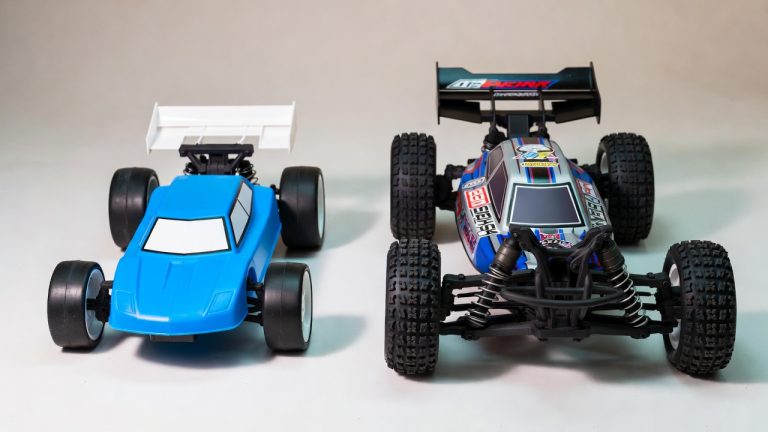
Cars labeled for water use differ from standard models in build and cost. Knowing these differences helps you decide what fits your needs. Neither type is automatically better, since each suits different uses.
Price, Build Quality and Maintenance Differences
Water-ready cars often use sealed housings, rubber gaskets and better bearings. These features usually raise the price compared with basic models. The extra build quality can also reduce how often you need repairs.
Standard cars are often cheaper to buy but need more care around moisture. Weighing the cost against how you plan to drive is a sensible step.
Which Type Suits Beginners
Beginners who plan to drive outdoors on grass, gravel or damp ground may find a water-resistant car more forgiving. It leaves room for mistakes like a sudden puddle. Those who mostly drive indoors or on dry pavement may not need extra protection.
In short, match the car to your environment. A realistic choice protects your budget and your enjoyment of the hobby.
Related Questions About RC Cars and Water
Beginners often have extra questions about rain, snow and performance. The answers depend on the car and the conditions. The points below give general guidance.
Can You Run an RC Car in Rain or Snow?
Light rain may be fine for a water-resistant car, but heavy rain or wet snow carries more risk. Snow can melt into gaps and freeze, which may stress parts. Wait for dry conditions unless the manual says otherwise.
Does Waterproofing Affect Speed or Battery Life?
Waterproofing usually does not reduce speed. Sealed components can add a little weight, and seals may add slight friction. Battery life depends mostly on the battery and motor. Moisture in the connectors can still shorten it, so a dry, well-maintained car tends to run more consistently.
Frequently Asked Questions
Is every RC car waterproof?
No. Many RC cars have little or no protection from water. Some are water-resistant, while others should stay on dry ground. Check the product listing and manual.
What does IP rating mean on an RC car?
An IP rating is a standard code that describes how well a device resists dust and water. The number after the letters IP shows the level of water protection. A higher number generally means stronger protection.
Can I drive my RC car through a puddle?
Only if the car is rated for it, and even then, shallow water is safest. Avoid deep puddles and stream crossings unless the manual allows them. Stop and dry the car right away if water gets inside.
How do I dry an RC car after it gets wet?
Remove the battery first and wipe the car with a soft cloth. Clear water from vents and gaps with compressed air or a dry towel. Let the car air dry for several hours before storing it.
Can water damage the battery or transmitter?
Yes. Water can corrode battery contacts and cause short circuits. Many transmitters are not water-resistant, so keep them covered during wet runs and dry them after use.
Conclusion
An RC car is not automatically waterproof. The level of protection depends on the model, the sealing of its electronics and the rating on its listing. The electronics, receiver and motor need the most care around water.
Check the product information, test carefully in shallow water and dry the car after every wet run. With these habits, a beginner can enjoy outdoor driving while keeping repair costs low.
Peterson is an RC hobby enthusiast and product reviewer with a passion for remote-controlled cars, trucks, boats, drones, and accessories. He enjoys testing the latest RC products, comparing features, and sharing practical buying guides to help beginners and experienced hobbyists make informed decisions. Through RCThing.com, Peterson provides honest reviews, maintenance tips, and expert advice to help readers get the most from their RC adventures.