How To Store Rc Car
Many people who buy a radio-controlled car want to know how to store RC car models correctly. Good storage keeps the car ready to run, protects the batteries and electronics, and helps the car last longer. Poor storage can lead to dead batteries, cracked tires and corroded parts.
This guide explains the basics in plain words. It covers how to prepare the car, how to store batteries safely, where to keep the car, and how to handle short breaks versus long periods without use. It also answers common questions beginners often ask.
Key Takeaways
- Clean the car and inspect it before every long storage period.
- Remove the battery and store it at the charge level its type recommends.
- Keep the car in a cool, dry place away from direct sunlight and heat.
- Store LiPo packs in a fireproof bag or container and check them regularly.
- Lift the car off the ground to protect tires and suspension parts.
Why Proper RC Car Storage Matters
Storage is more than putting the car on a shelf. Parts wear even when the car sits still. Dust, moisture, heat and time all affect the materials inside and outside the model. Good habits slow this wear down.
Proper storage also protects safety. Batteries, especially lithium polymer packs, can be damaged by heat or overcharging. A careful routine lowers the chance of a battery problem.
How Batteries, Electronics and Tires Wear Over Time
Batteries slowly lose charge when they sit for long periods. Leaving them empty or fully charged for months can shorten their life. Temperature swings make this loss faster.
Electronics such as the electronic speed controller and receiver can collect moisture. Rubber tires can dry out and harden. Over time, these changes can affect how the car performs when you return to it.
Common Mistakes Beginners Make When Putting Away Their RC Car
A common mistake is leaving the battery connected to the car. A battery left in the car can drain slowly or get damaged by a small current draw. Removing it is a simple habit that helps a lot.
Another mistake is storing the car while it is still dirty. Mud and grit can stay in bearings and joints. Storing a car in a sealed plastic bag while damp can also trap moisture and cause corrosion.
Preparing Your RC Car for Storage
Preparation takes only a few minutes but makes a clear difference. Work through the car in a simple order. Start with cleaning, then handle the battery, then inspect the parts.
Cleaning Dirt, Mud and Debris Off the Chassis
Use a soft brush, compressed air or a damp cloth to remove dirt. Pay attention to the chassis, suspension arms, gears and wheel wells. A small brush helps reach tight spots.
Avoid spraying water directly into the electronics or motor. Dry the car fully before it goes into storage. Moisture left behind can lead to rust on screws and metal parts.
Removing the Battery and Checking Its Charge Level
Disconnect the battery from the car first. Then check its charge level using the charger or a battery checker. Each battery type has its own recommended storage charge, which is covered in the battery section below.
If the battery is hot after use, let it cool down before storing it. Storing a warm battery can increase the risk of damage.
Inspecting Screws, Tires and Suspension Parts
Look for loose screws and tighten them gently. Check the tires for cracks, tears or flat spots. Also look at the suspension arms and shock parts for wear or damage.
Finding a small problem now is easier than fixing a larger one later. A quick inspection helps the car stay ready for the next run.
Battery Storage Basics
Batteries need the most care during storage. The right charge level and temperature ke ep them healthy. Different battery types need different handling, so it helps to know which one you have.
Best Charge Level for LiPo and NiMH Batteries
Lithium polymer, or LiPo, packs are usually stored at a partial charge rather than full or empty. Many manufacturers suggest a storage voltage that the charger can set for you. Check the instructions that came with your battery or charger.
Nickel metal hydride, or NiMH, packs are simpler. They can be stored fully charged, though many owners prefer to keep them partly charged. Either way, avoid leaving them empty for long periods.
Safe Temperatures and Where to Keep Batteries
Keep batteries at room temperature in a dry place. Avoid hot cars, sunny windows and freezing sheds. Extreme heat and cold both reduce battery life.
Store batteries away from metal objects that could touch the terminals. Keep them out of reach of children and pets. A clean, flat surface works well.
Using a Fireproof Bag or Container for LiPo Packs
LiPo packs can swell or catch fire if they are damaged or overcharged. A fireproof bag or metal container can help contain a problem if one occurs. These are widely used by hobbyists for this reason.
Check stored packs regularly for swelling, heat or a strange smell. If a pack looks puffy or damaged, stop using it and follow the disposal guidance for lithium batteries in your area.
Picking Where to Store Your RC Car
The storage spot matters as much as the preparation. A good place is dry, clean and stable in temperature. It should also be safe from accidental bumps and curious hands.
Indoor Shelves, Cabinets and Storage Bins
Indoor shelves, closed cabinets and plastic storage bins are common choices. They keep dust and sunlight off the car. Shelves should be sturdy enough to hold the weight without tipping.
Label bins if you store several cars or batteries. A simple label makes it easier to find the right parts quickly.
Temperature, Humidity and Sunlight to Avoid
High humidity can cause rust and damage electronics. A dry room is a safer choice than a damp basement. Direct sunlight can fade the body and soften plastic over time.
Avoid attics and unheated garages where temperatures swing widely. Steady conditions protect the car and the battery.
Keeping the Car Off the Ground and Away from Pets and Children
Placing the car on a stand or shelf keeps the tires from pressing into the floor. This helps prevent flat spots and deformed tires. A stand also keeps the car clear of dust and dropped items.
Keep the car away from pets and children. Small parts can be swallowed, and chewed wires or batteries can cause injuries.
Storing RC Cars for Short Breaks Versus Long Periods
The length of time away from the car changes what you need to do. A few days is different from several months. Matching the routine to the timeframe keeps things simple.
Short-Term Storage Between Runs
For short breaks, a quick wipe and a battery check are often enough. Keep the car on a stand in a dry spot. Recharge or store the battery at its proper level.
Short-term storage is a good habit after every session. It builds a routine that makes longer storage easier.
Long-Term Storage Over Winter or Several Months
For longer periods, complete the full cleaning, inspection and battery routine. Remove the battery entirely and store it separately in a fireproof container. Check the stored battery every few weeks.
Plan to inspect the car again before the next use. Parts that sat for a long time may need tightening, cleaning or replacing.
Protecting Tires, Bodies and Electronics
Tires, plastic bodies and electronics each need their own protection. Small steps during storage prevent the most common types of damage.
Preventing Tire Dry Rot and Flat Spots
Rubber tires can dry out and cr ack, rubber tires can develop dry rot and flat spots if they press against the floor for a long time. Keep the car on a stand so the tires stay off the surface. Store the car in a cool, dry place away from sunlight and ozone sources such as some electric motors.
Keeping Plastic Bodies and Lexan Shells Clean and Undamaged
Lexan bodies are light and flexible, but they can scratch and yellow over time. Wipe the shell with a soft cloth and mild soap, then dry it fully. Store the body away from other hard objects that could scratch or crack it.
Remove the body from the chassis if it is sensitive to pressure. Keep it in a padded spot or its original box. This helps the shape hold its form.
Protecting the Receiver, ESC and Servo from Moisture
Electronics such as the receiver, electronic speed controller and servo do best when they stay dry. Make sure the car is completely dry before storage. Consider placing a small desiccant pack in the storage bin to absorb moisture.
Keep the car in a sealed bin only after it has dried fully. Trapped moisture can cause corrosion on circuit boards and connectors.
Common Storage Setups Compared
Several storage setups work well for hobbyists. The right choice depends on how many cars you own and how much space you have. Each option has clear strengths and limits.
Display Stands Versus Plastic Totes
Display stands show the car and keep it off the floor. They suit owners who want to see their collection. However, they leave the car open to dust and sunlight unless placed in a cabinet.
Plastic totes protect the car from dust and keep several items together. They are inexpensive and easy to stack. Choose a tote with a lid that seals tightly, but make sure the car is dry first.
Dedicated RC Hard Cases Versus Soft Carrying Bags
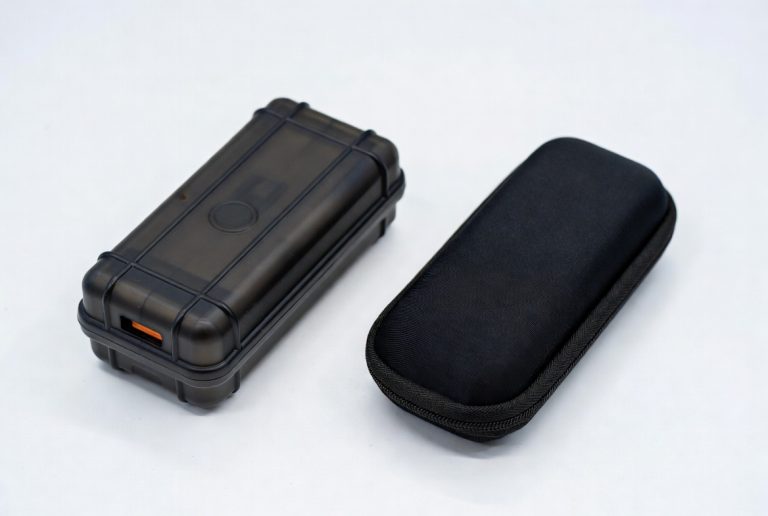
Hard cases protect the car from bumps and crushing. They work well for travel and for storing a car that is not in use. Their foam inserts can hold the car in place.
Soft carrying bags are lighter and easier to carry. They offer less protection from impacts, so they suit short trips better than long storage.
Quick Checklist Before You Put the Car Away
A simple checklist makes storage routine. Following the same steps each time helps you avoid missed tasks. It also builds confidence that the car is ready when you return.
Step-by-Step Routine for Each Storage Session
- Clean the car and dry it fully.
- Disconnect and remove the battery.
- Check the battery charge level and let it cool if warm.
- Inspect screws, tires and suspension parts.
- Place the car on a stand in a cool, dry spot.
- Store the battery in a fireproof container at its recommended level.
Reminders for Taking the Car Out Again
Before the next run, check the battery and charge it fully if needed. Inspect the tires and tighten any loose screws. Look for signs of corrosion or damage on the electronics.
Run the car gently at first. This shows if anything needs attention before a full session.
Frequently Asked Questions
Should I store my RC car with the battery inside or outside?
Remove the battery and store it separately. This prevents slow drain and reduces the risk of damage. Keep the battery in a safe, dry container at its recommended charge level.
How often should I charge a stored LiPo battery?
Check a stored LiPo battery every few weeks. Recharge it to its storage voltage if the level has dropped. Follow the guidance from the battery or charger maker.
Is it safe to store an RC car in a garage or shed?
A garage or shed can work if it stays dry and fairly steady in temperature. Avoid spots that get very hot, very cold or damp. Keep batteries away from these areas as well.
Do I need to oil or lubricate my RC car before storing it?
Light lubrication on some mo oving parts can help, but use only lubricants recommended for RC cars and apply them sparingly. Excess oil attracts dust and grit. Wipe off any extra before storage.
How do I get my RC car ready to run after months in storage?
Start with a full inspection of the tires, screws and suspension. Charge the battery to its proper level and check the electronics for corrosion. Run the car gently at first to confirm everything works.
Conclusion
Storing an RC car well takes only a few simple habits. Clean and dry the car, remove and store the battery correctly, and choose a cool, dry spot off the ground. Check the car before each use. These steps protect the batteries, tires and electronics, so the car stays ready to run when you are.
Peterson is an RC hobby enthusiast and product reviewer with a passion for remote-controlled cars, trucks, boats, drones, and accessories. He enjoys testing the latest RC products, comparing features, and sharing practical buying guides to help beginners and experienced hobbyists make informed decisions. Through RCThing.com, Peterson provides honest reviews, maintenance tips, and expert advice to help readers get the most from their RC adventures.