FPV Drone vs Camera Drone
If you’re thinking about buying your first drone, you’ve probably seen the term “FPV drone” and “camera drone” tossed around. Both are cool. Both can do amazing things. But they’re really different from each other. This guide will help you figure out which one fits your needs and lifestyle.
Let’s break down what makes them different and help you make the right choice.
What Is a Camera Drone?
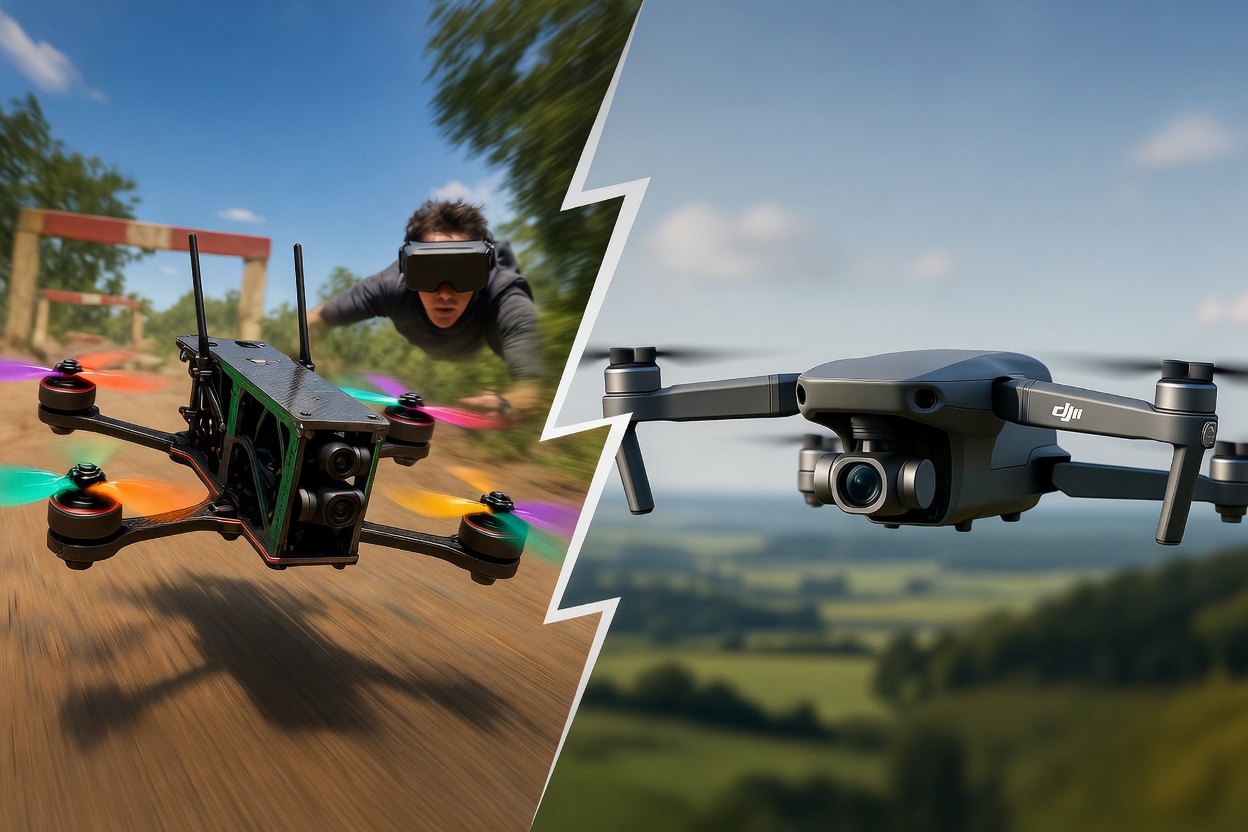
A camera drone is the kind of drone most people think of first. It’s built for photography and video recording. You control it from the ground using a remote controller. The drone has a camera attached to its body or on a gimbal. A gimbal is a special arm that keeps the camera steady as the drone moves around.
When you fly a camera drone, you watch what the camera sees on your phone or a screen. You don’t see the world through the drone’s eyes in real time. You get a feed, but there’s a small delay. This delay is called latency.
Camera drones are stable and easy to fly. They hover in place. They can take off and land all by themselves. Most of them have sensors that help them avoid crashing into obstacles. This makes them perfect for beginners.
Popular Camera Drones
Some of the most famous camera drones include the DJI Mavic series and the DJI Air series. These drones are trusted by hobbyists and professionals alike. They take stunning photos and smooth videos. They’re not cheap, but they’re reliable.
What Is an FPV Drone?
FPV stands for First Person View. An FPV drone is built for speed and agility. You control it with a special controller, and you see the world from the drone’s perspective in real time through goggles or a screen.
Imagine flying a fighter jet through the sky. That’s what FPV flying feels like. The drone zips around fast. It does flips. It dives down. It zooms through tight spaces. The camera view you get is almost instant with almost no delay.
FPV drones are race drones or freestyle drones. They’re designed to fly fast and perform tricks. They don’t hover easily. They don’t have as many safety features. Flying an FPV drone takes practice and skill.
Racing vs Freestyle FPV
Racing FPV drones compete on tracks. Pilots fly through gates at high speeds. It’s like drone racing in real life. Freestyle FPV drones are flown for tricks and creative moves. Pilots do barrel rolls and fly upside down. They perform tricks that look amazing on video.
Key Differences Between the Two
Let’s look at the main differences side by side.
Speed
Camera drones fly at moderate speeds. Most camera drones have a top speed of 30 to 40 miles per hour. Some go a bit faster. But they’re not designed for raw speed.
FPV drones are speed machines. Racing FPV drones can reach speeds over 80 miles per hour. Some go even faster. That speed comes from light frames and powerful motors.
If you want to soar through the sky and feel the rush, FPV is your answer. If you want steady, controlled flight, go with a camera drone.
Flight Style
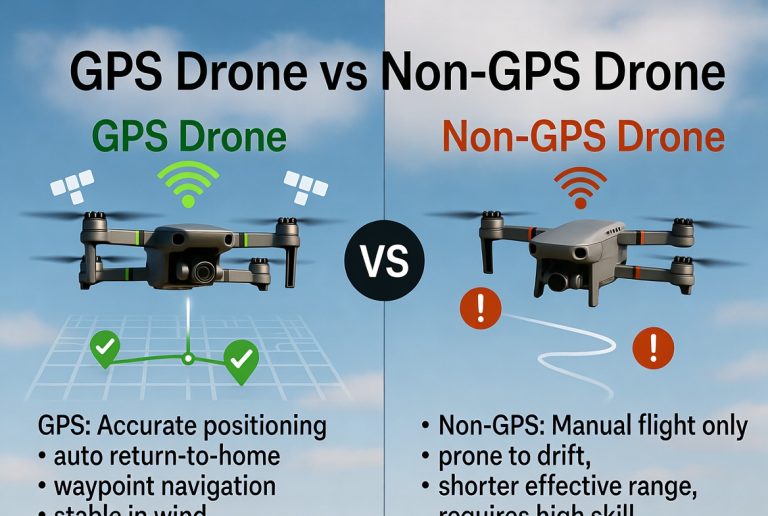
Camera drones are smooth and stable. They use GPS and sensors to stay level and steady. They’re predictable. A camera drone won’t suddenly drop out of the sky.
FPV drones are nimble and responsive. Every movement you make on the controller happens instantly. The drone will do what you want right now. It’s more like piloting than flying. You feel connected to the machine.
Camera and Video Quality
Camera drones have excellent cameras. They record in high quality. The gimbal keeps the camera perfectly still. Videos look professional and smooth.
FPV drones have small, basic cameras. They shoot in lower resolution. The video is shaky and raw. It’s not ideal for professional work. But the footage looks fast and thrilling.
Some FPV drones now have better cameras. But they still don’t match camera drones for image quality.
Ease of Use
Camera drones are beginner friendly. You can take off, fly around, and land with basic training. Most have autopilot features. You just tell it where to go and it handles the flying.
FPV drones have a steep learning curve. You need to learn how to control the drone manually. Crashing is common for beginners. You’ll break parts. You’ll need to fix things. It takes weeks or months to fly well.
Stability and Control
Camera drones stay in one spot if you let go of the controls. They’re stable by design.
FPV drones will drop if you stop giving them input. They need constant adjustment to stay level. This makes them hard for new pilots but fun for experienced ones.
Learning Time
You can fly a camera drone decently in your first day. With practice, you’ll get smooth, professional-looking videos.
FPV drones need real practice time. Most people need 5 to 10 hours of practice before they can fly safely. Many spend much longer learning tricks and skills.
Cost and Expense
This is an important factor.
Camera Drone Costs
A good beginner camera drone costs between $300 and $500. A professional camera drone can cost $1,500 to $2,000 or more.
Your biggest expense is the drone itself. Batteries and props are cheap. Repairs are rare because these drones rarely crash.
FPV Drone Costs
A beginner FPV drone costs between $150 and $400. But that’s just the start.
You also need a controller ($60-$150). You need goggles to see the FPV view ($100-$300). You need a computer to update the drone software. You’ll need multiple batteries. And you’ll need spare parts because you will crash.
Many FPV pilots spend $1,000 to $2,000 to get everything set up. The hobby keeps asking for upgrades and repairs.
Over time, the total cost can add up fast. But you can start cheap with an FPV drone and build up your setup as you improve.
What Can You Do With Each Drone?
Camera Drone Uses
Take photos from the air. Film your house or property. Create real estate videos. Shoot cinematic videos for travel. Document events and celebrations. Film nature and landscapes. Make TikTok and YouTube videos. Inspect hard-to-reach places like roofs.
Camera drones excel at capturing moments and places. They’re tools for documentation and storytelling.
FPV Drone Uses
Fly through tight spaces. Shoot action videos that look fast. Compete in drone racing events. Make creative YouTube content. Film yourself doing tricks. Explore indoor spaces. Create music videos with dynamic flying.
FPV drones are about the flight experience itself. They’re tools for thrill and artistry.
Space and Place Requirements
Where to Fly a Camera Drone
You can fly a camera drone almost anywhere. You need open sky and no obstacles. Flying near people is okay if you’re careful and local rules allow it.
Camera drones are quiet enough. You can fly in your neighborhood. You can fly over your yard and surrounding areas.
Where to Fly an FPV Drone
FPV flying needs open space. Racing happens in outdoor fields or dedicated tracks. Freestyle flyers use parks and open areas.
Flying indoors is possible but tricky. You need a large indoor space with nothing to hit.
FPV drones are loud. Neighbors will hear them. You might face complaints if you fly too close to homes.
Maintenance and Repairs
Camera Drones
These drones rarely break. They have safety features that prevent crashes. If something breaks, parts are easy to find. Repairs are simple for most users.
Battery life is long. You get 20-30 minutes per charge.
FPV Drones
Crashes are part of the hobby. You’ll break props. You’ll damage arms. You’ll replace motors. You’ll fix bent frames.
This means learning to repair your drone. You’ll watch tutorials. You’ll order replacement parts. You’ll spend time fixing things.
But this also teaches you how drones work. You become more skilled at maintenance and building.
Battery life is short. You get 3-5 minutes per flight. But batteries are cheap.
Video Quality and Recording
If you care about video quality, camera drones win. The footage is clear and steady. The colors are accurate. It looks professional.
If you care about raw, fast footage that shows speed and action, FPV is better. The video looks thrilling even if it’s not perfect.
For social media, FPV videos often get more views. People find them exciting. But for real estate, events, and professional work, camera drones shine.
The Joy of Flying
Here’s something numbers don’t capture: how each drone makes you feel.
Flying a camera drone is peaceful. You watch your property from above. You see your neighborhood in a new way. It’s meditative. It’s about exploring and recording.
Flying an FPV drone is thrilling. Your heart races. You’re focused. You’re pushing your skills. It’s an adrenaline rush. It’s about the pure act of flying.
Some people love one. Some people love both. Your personality matters when choosing.
Best Choice for Different People
Best for Beginners
Camera drones are the clear choice. They’re forgiving. They’re easy to learn. You’ll get good footage fast. You’ll have fun from day one.
Best for Thrill Seekers
FPV drones are perfect. You get the rush and excitement. You develop real flying skills. The learning curve becomes part of the fun.
Best for Content Creators
Camera drones work better. Your videos will look more professional. Your audience will see quality footage. You can earn money from your content.
Best for Hobbyists Who Like to Tinker
FPV drones are ideal. You’ll build and fix your drone. You’ll understand every part. You’ll customize and upgrade. If you like taking things apart and putting them back together, this is for you.
Best for Travel
Camera drones are easier. They pack down small. You only need the drone and a controller. No extra goggles or computer. Perfect for travel.
Best for Kids
Camera drones are better. Kids can learn faster. They’ll have immediate success. They’ll stay interested longer.
Small FPV drones exist for kids. But expect more frustration at first.
Making Your Decision
Ask yourself these questions.
What do you want to do? If you want stunning photos and videos, get a camera drone. If you want to fly fast and do tricks, get an FPV drone.
How much can you spend? Budget matters. Camera drones are cleaner costs. FPV involves ongoing expenses.
Do you have the space? If you live in an apartment and space is tight, a camera drone works fine. FPV needs more room.
How patient are you? Camera drones bring quick wins. FPV requires patience before you’re good.
What’s your personality? Are you calm and creative or energetic and adventurous?
Can You Have Both?
Absolutely. Many drone flyers eventually own both types. A camera drone for recording special moments. An FPV drone for fun and learning.
Starting with one is smart. Master that drone. Then add the other later.
Common Mistakes New Flyers Make
Mistake 1: Buying Without Research
Don’t just grab the first drone you see. Think about what you want to do. Read reviews. Watch videos.
Mistake 2: Flying in Bad Weather
Wind will destroy your first flights. Start on calm days. Rain ruins electronics.
Mistake 3: Flying Near People
Always have a clear zone around your flying space. No people under or near your drone.
Mistake 4: Ignoring Local Rules
Most places have drone rules. Some require registration. Some ban flying in certain areas. Check before you fly.
Mistake 2: Not Protecting Your Investment
Camera drones need basic protection. Get a carrying case. Buy extra batteries. Maybe get insurance.
FPV drones need even more protection. Buy spare props immediately. Stock up on batteries. Get replacement motors and arms.
The Future of Drone Flying
Both types of drones keep improving. Camera drones get better sensors and cameras. FPV drones get faster and more stable.
The line between them is blurring a bit. Some FPV drones now have better cameras. Some camera drones are becoming more athletic.
But the core difference remains. Camera drones are tools for creation and documentation. FPV drones are tools for speed and artistry.
Final Thoughts
There’s no perfect drone for everyone. The best drone is the one that matches what you want to do and how you want to fly.
Camera drones are forgiving, productive, and beautiful. They let you see the world from new heights. They turn ordinary moments into magical memories.
FPV drones are demanding, thrilling, and alive. They let you feel like you’re actually flying. They connect you to the machine in a way camera drones don’t.
Both are incredible. Both will teach you things. Both will surprise you with what’s possible.
Start with your heart. What sounds more fun to you? That’s probably your answer.
Then do your homework. Read reviews. Watch flying videos. Join online communities. Talk to people who fly.
Once you decide, take the leap. Buy your first drone. Get outside. Fly.
You’re about to see your world in a completely new way. That’s the real magic of drones.
Drone Flying Communities
Both drone types have active communities online. You’ll find forums, Facebook groups, and YouTube channels devoted to each type.
For camera drones, check out DJI’s official forums. Watch unboxing and review channels.
For FPV, visit racing communities and freestyle channels. Talk to local drone clubs. These communities are helpful and welcoming.
Safety Tips for New Flyers
No matter which drone you choose, safety matters.
Always fly in open areas. Never aim your drone at people. Never fly near airports. Respect privacy. Don’t fly over someone’s house without permission.
Register your drone if your country requires it. Many places do.
Start with short flights. Learn your drone’s limits. Practice in open spaces before trying complex flying.
Keep your drone in sight. Know where it is at all times. If you lose signal, it might crash.
Watch for obstacles. Trees, power lines, and buildings sneak up fast. Be aware of your surroundings.
Accessories You’ll Want
For Camera Drones
- Extra batteries (you’ll want these)
- Propeller guards (for safety)
- Neutral density filters (for better video)
- Carrying case (protects your investment)
- Memory cards (for storage)
- Lens filters (for different lighting)
For FPV Drones
- Multiple batteries (essential)
- Spare propellers (you’ll break these)
- Motor replacements (they wear out)
- Frame parts (for repairs)
- FPV goggles (the real immersion)
- Battery charger (faster charging helps)
- Tools for building and fixing
Training and Education
Many online courses teach drone flying. YouTube is packed with tutorials. DJI offers official training for camera drones.
For FPV, many freestyle pilots share free content. Paid courses exist too. Drone racing organizations offer training.
Don’t skip the learning phase. Good technique saves crashes and money.
Environmental Considerations
Drones have minimal environmental impact. But be respectful of wildlife. Don’t disturb birds. Avoid flying near nests.
Keep your drone out of nature reserves unless allowed. Respect the places you fly.
Resale Value
Camera drones hold value well. Popular models sell used quickly. You can recoup 50-70% of your purchase price.
FPV drones vary more. Damaged or outdated models sell for less. But quality FPV drones have resale potential.
Combining Both Drones
Many advanced flyers use both. They scout locations with their FPV drone. Then they shoot footage with their camera drone for quality.
This hybrid approach takes experience. Start with one type. Master it. Then add the other.
Testing Before You Buy
Some hobby shops let you test drones before buying. Try this if possible. Holding the controller and seeing the feed in person matters.
Online reviews help, but hands-on time is valuable.
Troubleshooting Common Problems
Camera Drone Issues
Gimbal gets loose? Tighten it gently. Battery won’t charge? Let it warm up. Video looks blurry? Clean the lens.
FPV Drone Issues
Props spin wrong direction? Reverse the motor direction in software. Drone tilts to one side? Calibrate the gyroscope. Video has static? Check your antenna connection.
Most issues have simple fixes. The internet has answers for almost every problem.
Long-Term Benefits
Flying drones teaches valuable skills. You learn patience. You develop hand-eye coordination. You understand technology better.
Camera drones teach composition and storytelling. FPV drones teach fine motor control and spatial awareness.
Both build confidence. Both expand your perspective.
Conclusion: Choose Your Path
You now know the real differences between FPV drones and camera drones. You understand the costs, the learning curves, and the experiences they offer.
The choice is yours. Both paths are rewarding. Both have communities of passionate flyers ready to help.
Start where your heart points. Commit to learning. Practice consistently. Connect with other pilots.
Your drone journey is about to begin. The sky is waiting.
Get your drone. Learn the skills. Fly safe. Have fun. That’s the whole story right there.
Welcome to the world of drones. You’re going to love it.
Peterson is an RC hobby enthusiast and product reviewer with a passion for remote-controlled cars, trucks, boats, drones, and accessories. He enjoys testing the latest RC products, comparing features, and sharing practical buying guides to help beginners and experienced hobbyists make informed decisions. Through RCThing.com, Peterson provides honest reviews, maintenance tips, and expert advice to help readers get the most from their RC adventures.