Brushed vs Brushless RC Car
So you want to get into RC cars. That’s awesome. But then you hit your first big question — brushed or brushless?
It sounds technical. It sounds like something only engineers care about. But it’s actually one of the most practical questions you’ll ever ask as an RC hobbyist. The motor type changes everything. It changes how fast your car goes, how long it lasts, how much you spend, and how much fun you have.
Let’s break it all down in plain language. No jargon. No fluff. Just the stuff you actually need to know.
What Is a Brushed RC Car Motor?
A brushed motor is the older, simpler type of motor. It has been around for a long time. You’ll find it in budget RC cars, beginner kits, and toy-grade models.
Here’s how it works in simple terms.
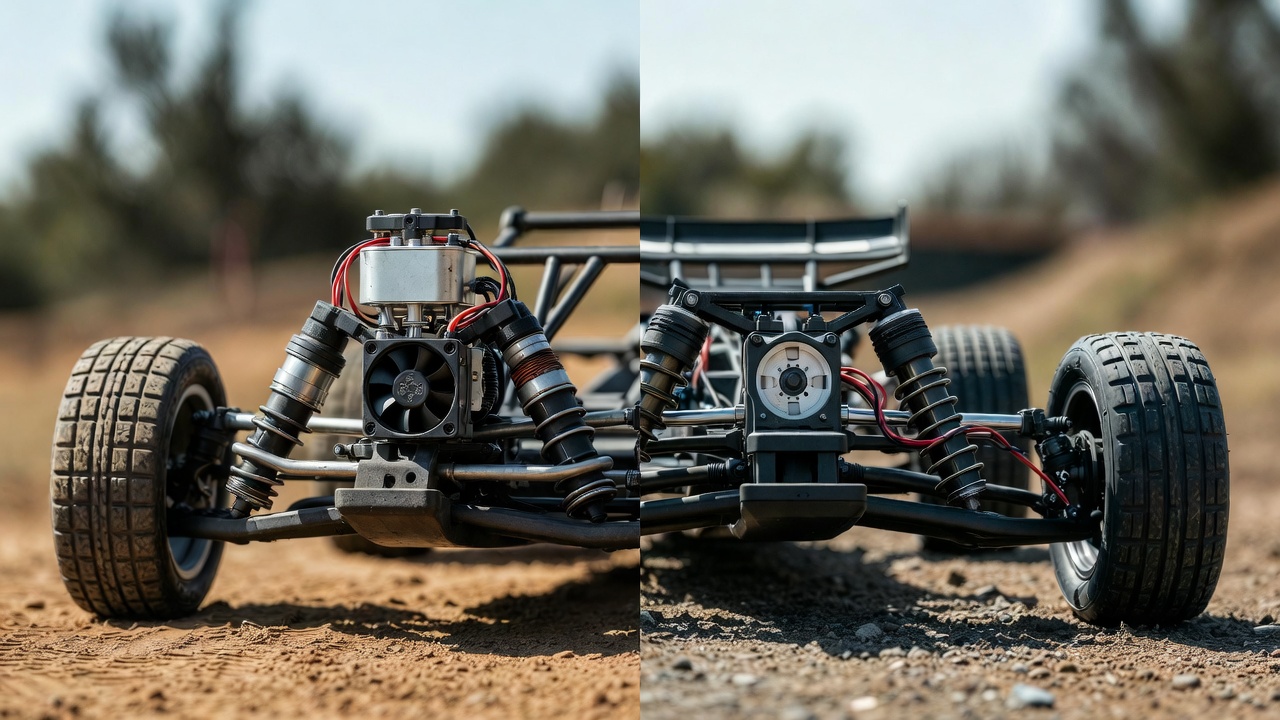
Inside the motor, there are small carbon pieces called brushes. These brushes press against a spinning part called the commutator. This contact creates an electric current. That current makes the motor spin.
It’s a direct, physical connection. That’s why it’s called a brushed motor — the brushes touch the moving parts inside.
This design is easy to build and cheap to make. That’s why you see it in so many entry-level RC cars.
But here’s the catch. Because the brushes rub against the commutator, there’s friction. That friction creates heat. And over time, the brushes wear down. That means the motor loses power and eventually needs maintenance or replacement.
What Is a Brushless RC Car Motor?
A brushless motor is the newer, more advanced type. It uses magnets and electronics instead of physical brushes. There’s no direct contact between parts inside the motor.
Instead of brushes, a brushless motor uses something called an ESC — or electronic speed controller. The ESC sends signals to the motor and tells it when and how to spin. It’s all done electronically.
Because there’s no friction from brushes, the motor runs cleaner, cooler, and faster. The parts don’t wear down the same way. That means less heat, more power, and a longer lifespan.
You’ll see brushless motors in performance RC cars, racing models, and hobby-grade machines that are built to last.
The tradeoff? Brushless setups cost more. The motor costs more. The ESC costs more. And the whole system takes a bit more know-how to set up properly.
The Big Differences Between Brushed and Brushless
Let’s put them side by side. Here’s where they really differ.
Speed and Power
Brushless motors win here. It’s not even close.
A brushless RC car can reach speeds that a brushed car simply can’t match. The efficiency is higher. More of the battery’s power gets turned into speed instead of heat.
Brushed motors lose some energy to friction. Brushless motors don’t have that problem. So you get more speed from the same battery.
If you want a car that goes fast — really fast — brushless is the way to go.
Efficiency and Battery Life
Because brushless motors waste less energy, they also use the battery more efficiently. You get more run time per charge. That means more time on the track and less time waiting by the charger.
Brushed motors generate heat. Heat is wasted energy. So you burn through your battery faster with a brushed motor.
For casual backyard fun, this might not matter much. But if you’re running your car for long sessions, you’ll feel the difference.
Durability and Lifespan
This is a big one.
Brushed motors have moving parts that touch each other. Those brushes wear down over time. How fast they wear depends on how hard you run the car and how often you use it.
A brushless motor has no brushes. There’s no friction between internal parts. That means it lasts much longer with less maintenance.
If you want a car that holds up over years of regular use, brushless motors have a clear advantage.
Maintenance
With a brushed motor, you’ll need to check the brushes from time to time. You might need to replace them. You might need to clean the commutator. It’s not hard, but it takes effort.
With a brushless motor, there’s very little to maintain. You might need to clean it once in a while and check the bearings, but that’s about it. The overall maintenance load is lower.
For beginners who don’t want to deal with motor upkeep, brushless might actually be the easier long-term choice — even if it’s more complex to understand at first.
Cost
Here’s where brushed motors win.
Brushed RC cars are cheaper to buy. They’re also cheaper to repair. Replacement brushes cost very little. A whole brushed motor replacement won’t break the bank.
Brushless systems cost more upfront. The motor is pricier. The ESC is pricier. If something breaks, the repair cost is higher too.
So if you’re on a tight budget, a brushed car is a totally valid starting point.
Noise
This one surprises a lot of people.
Brushed motors tend to make more noise. That buzzing, grinding sound you sometimes hear from RC cars? That often comes from the brushes making contact inside the motor.
Brushless motors are quieter. The lack of contact means less noise during operation. If you’re running your car in a neighborhood or somewhere that noise matters, brushless has a small but real advantage.
Who Should Get a Brushed RC Car?
Brushed RC cars are a great fit for certain people and situations.
You’re just starting out. If you’ve never owned an RC car before, a brushed model gives you a lower-stakes entry point. You can learn the basics — driving technique, battery care, basic maintenance — without spending a lot.
You’re buying for a kid. Kids are rough on RC cars. They’ll crash it, flip it, and run it into walls. A brushed car is cheap enough that damage doesn’t sting as much. And if the motor wears out, replacement is affordable.
You want something simple. Brushed setups are straightforward. Plug in the battery, flip the switch, drive. There’s less to configure and less to go wrong from a setup standpoint.
You’re on a tight budget. If spending less right now is important, a brushed car lets you enjoy the hobby without a big investment.
You want a basher. Bashing means running your RC car hard — jumping off ramps, crashing on purpose, and having raw fun. Many bashers prefer a budget brushed car because repairs are cheap and easy.
Who Should Get a Brushless RC Car?
Brushless RC cars are a better fit for others.
You want top performance. If speed is your priority, go brushless. These motors deliver serious power and acceleration that brushed motors just can’t match.
You’re into RC racing. Competitive RC racing almost always involves brushless motors. If you want to race at a club or track, you’ll likely need to go brushless to keep up.
You want the car to last. If you plan to use your RC car regularly over a long period, brushless motors pay off over time. Less wear means fewer replacements and lower long-term costs.
You’ve already got some experience. If you’ve owned an RC car before and you understand the basics, moving up to brushless makes sense. The added complexity isn’t overwhelming once you know what you’re doing.
You want to upgrade later. Many hobby-grade RC platforms let you swap in a brushless motor later. But if you can afford it from the start, jumping straight to brushless saves you the hassle of upgrading.
Brushed vs Brushless for Beginners: The Honest Truth
Here’s what most guides won’t tell you.
Brushless doesn’t always mean better for beginners. Yes, the technology is superior. But superior technology can also mean more to configure, more to break, and more money to spend when you’re still figuring things out.
A brushed car gets you on the road fast. It’s forgiving. If you crash it and break something, the repair is cheap. You learn the hobby at a low cost.
But there’s another side to this.
Brushless cars are not as fragile as people think. Many entry-level brushless models are built with beginners in mind. They come ready to run (RTR), meaning everything is set up for you. You don’t need to tune anything. Just charge the battery and go.
So if your budget allows it and you’re serious about the hobby, a beginner-friendly brushless car is actually a solid first choice. You’ll never feel like you’ve outgrown it because brushless performance has a much higher ceiling.
The bottom line? Brushed if you want cheap and simple. Brushless if you want performance and longevity.
Brushed vs Brushless for Off-Road RC Cars
Off-road RC cars take a beating. They go through mud, gravel, grass, and rough terrain. They need power and durability in equal measure.
For off-road bashing and casual trail driving, a brushed motor works well. You can buy a cheap brushed off-road buggy or truck, beat it up, and not lose sleep over repair costs.
For serious off-road racing or high-speed trail runs, brushless is clearly better. You need the torque and power to push through tough terrain at speed. Brushless motors deliver that.
Many popular off-road platforms — like RC rock crawlers and short-course trucks — are available in both brushed and brushless versions. The brushless version almost always performs better, but it costs more.
Brushed vs Brushless for On-Road RC Cars
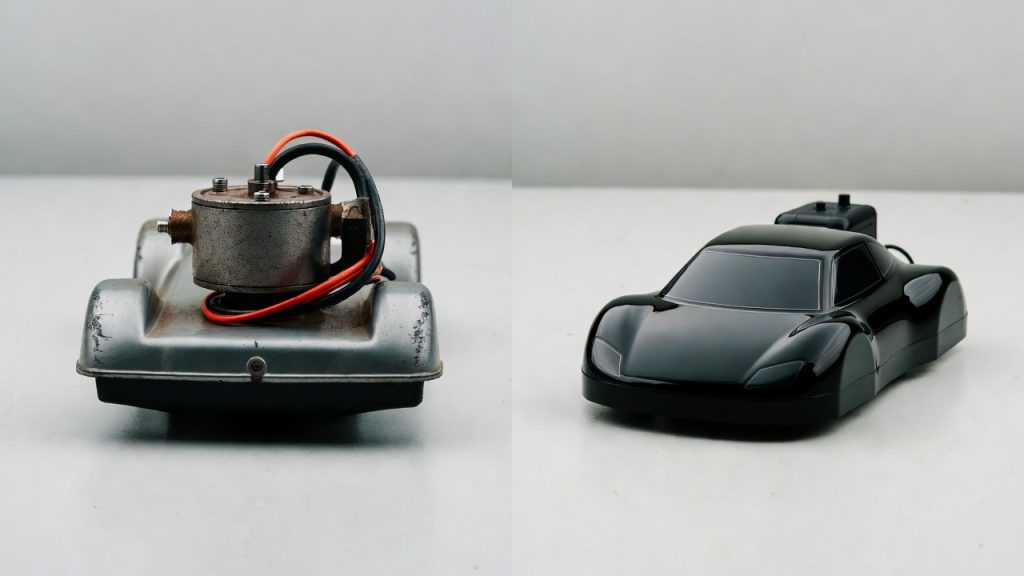
On-road RC cars are built for smooth surfaces — pavement, asphalt, indoor tracks. Speed and precision matter more here.
Brushed on-road cars are fine for casual driving around a parking lot or smooth driveway. They’re fun, affordable, and easy to drive.
But for real on-road performance, brushless is king. The speed, throttle response, and consistency of a brushless motor makes on-road driving a completely different experience. If you’ve ever seen an RC car screaming down a track at serious speed, that’s almost certainly brushless.
What About KV Rating?
You’ll see this term thrown around when shopping for brushless motors. KV doesn’t stand for kilovolts. It stands for RPM per volt.
A higher KV number means more RPM for each volt of power. That typically means more top-end speed but less torque.
A lower KV number means fewer RPM per volt. That usually means more torque but a lower top speed.
For most RC cars, you’ll want to match the KV rating to the type of driving you plan to do:
- High KV (like 3500–5000+): Great for speed on flat surfaces
- Low KV (like 1800–3000): Better for off-road, crawling, or heavy vehicles that need torque
When you buy a brushless RTR (ready-to-run) car, the motor KV is already matched to the car. You don’t need to worry about this unless you’re building or upgrading a custom setup.
The Role of the ESC
We mentioned the ESC (electronic speed controller) earlier. Let’s talk about it a bit more because it matters a lot.
The ESC controls how power flows from the battery to the motor. It’s what makes your car respond when you press the trigger on your controller.
In brushed setups, the ESC is simple and cheap. In brushless setups, the ESC is more advanced and plays a bigger role in performance.
A good brushless ESC can be programmed. You can adjust things like braking force, throttle response, and maximum speed. This gives you more control over how the car performs.
When buying a brushless RC car, always pay attention to the quality of the ESC. A low-quality ESC can limit what an otherwise great motor can do. Many experienced hobbyists upgrade the ESC even before they upgrade the motor.
Can You Convert a Brushed RC Car to Brushless?
Yes, you can. Many RC platforms support this kind of upgrade.
To convert from brushed to brushless, you need three things:
- A brushless motor that fits your car’s motor mount
- A brushless ESC compatible with the motor
- Sometimes, a new pinion gear to match the motor’s shaft
It’s not a beginner project. But if you’re comfortable with basic RC work and want to breathe new life into an older brushed car, a brushless conversion is a real option.
Keep in mind that not every car is worth converting. If the car itself is cheap or worn out, you might be better off buying a new brushless model than spending money on the conversion.
Battery Considerations
Your battery type matters for both motor types.
Brushed cars often run on NiMH (nickel-metal hydride) batteries. These are safe, easy to use, and forgiving for beginners. They charge relatively quickly and don’t require special care.
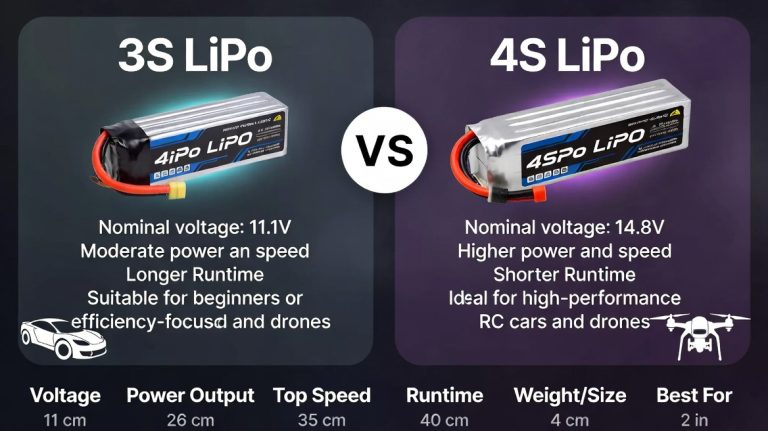
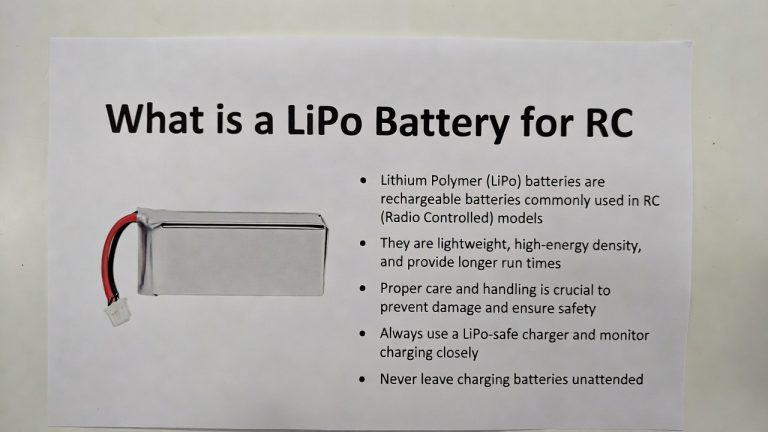
Brushless cars often use LiPo (lithium polymer) batteries. LiPo batteries hold more energy, discharge faster, and give you better performance. But they need more careful handling. You need a proper LiPo charger and you should never over-discharge them.
If you go brushless, budget for a good LiPo battery and a quality charger. Don’t cut corners here. A bad LiPo situation can damage your car or worse.
Some brushless RC cars do run on NiMH batteries, especially beginner-focused models. But to get the most out of a brushless motor, LiPo is the way to go.
Brushed vs Brushless: Quick Comparison Table
| Feature | Brushed | Brushless |
|---|---|---|
| Cost | Lower | Higher |
| Speed | Moderate | High |
| Efficiency | Lower | Higher |
| Maintenance | More frequent | Less frequent |
| Lifespan | Shorter | Longer |
| Noise | More | Less |
| Best for | Beginners, kids, casual fun | Performance, racing, serious hobbyists |
| Upgrade potential | Limited | High |
Common Myths About Brushless RC Cars
Myth: Brushless is too complicated for beginners.
Not true anymore. Many RTR brushless cars are plug-and-play. You don’t need to know anything about motor tuning or ESC programming to enjoy them right out of the box.
Myth: Brushed motors are always slow.
Not entirely true. Some brushed motors are actually pretty quick, especially in lightweight cars. They’re not competitive with brushless, but they’re not sluggish by any means.
Myth: Brushless cars break more easily.
False. Brushless motors actually break less often because there are fewer parts that wear out from friction. The misconception comes from the fact that brushless cars tend to go faster, and faster crashes do more damage to the car’s body and suspension — not the motor itself.
Myth: You need brushless for off-road.
Nope. Many people run brushed motors off-road every weekend and have a blast. Brushless is better, but brushed off-road cars are still tons of fun.
Which One Should You Get?
Here’s the honest answer. It depends on your situation.
Get a brushed RC car if:
- You’re a first-time buyer on a limited budget
- You’re buying for a young child
- You want something simple with low maintenance
- You just want to have casual fun without overthinking it
Get a brushless RC car if:
- You want the best performance available
- You plan to race or drive competitively
- You want a car that lasts for years with minimal motor maintenance
- You’re a returning hobbyist ready to step up your game
- Your budget allows for the extra upfront cost
There’s no wrong answer here. Both types of RC cars are fun. Both can give you hours of entertainment. The best RC car is the one that fits your budget, your goals, and your experience level.
Final Thoughts
The brushed vs brushless debate isn’t really a debate. They’re two different tools for two different purposes.
Brushed motors are simple, affordable, and great for getting started. Brushless motors are powerful, efficient, and built for performance.
If you’re just getting into the hobby, don’t feel pressured to spend big right away. A solid brushed car will teach you everything you need to know. And when you’re ready to upgrade, brushless will feel like a whole new world.
On the other hand, if you know you want performance from day one and your budget can handle it, there’s no reason to hold back. Start with brushless and enjoy every bit of it.
Either way, you’re about to have a lot of fun. Go drive something.
Related searches: RC car motor types, best RC cars for beginners, brushless motor RC truck, brushed motor maintenance, LiPo battery RC car, RC car speed upgrade, hobby grade RC cars, electric RC car motors, KV rating RC motor, ESC for RC cars