Are Metal Body Mounts Good for RC Cars?
If you’ve been hanging around the RC car community, you’ve probably heard someone talk about upgrading to metal body mounts. Maybe you wondered what all the fuss was about. Is it really worth swapping out your plastic mounts? Let’s break this down in a way that makes sense.
What Are Metal Body Mounts, Anyway?
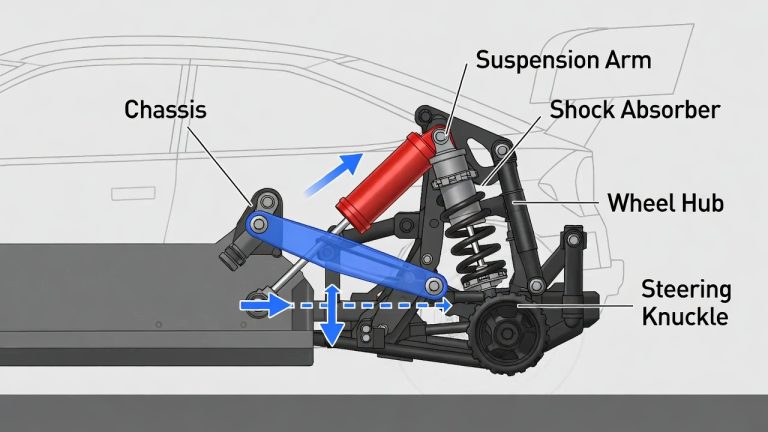
First things first—let’s clarify what we’re talking about here. Body mounts are the brackets and fasteners that hold your RC car’s body shell to the chassis below. They’re the connection points between the plastic body and the metal frame of your vehicle.
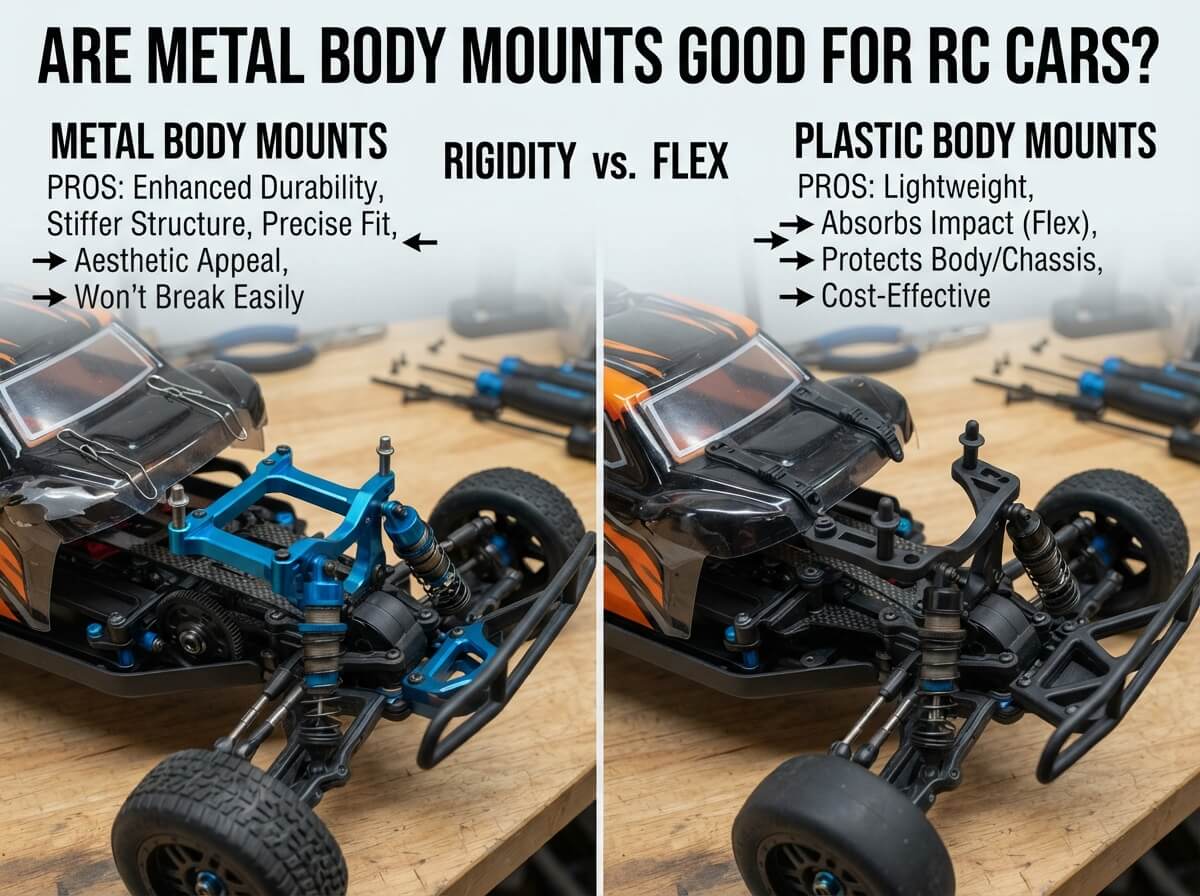
Stock RC cars typically come with plastic body mounts. These work fine for casual driving. But metal body mounts are upgraded versions made from aluminum or steel. They serve the exact same purpose, just in a much sturdier package.
Think of it this way: your plastic mounts are like using tape to hang a poster, while metal mounts are like using proper anchors. Both work, but one is definitely more solid.
Why People Switch to Metal Body Mounts
The RC car world has good reasons for the buzz around metal upgrades. Let’s talk about the real advantages.
Durability That Actually Lasts
Here’s the thing about plastic—it wears out. When you’re constantly slamming your RC car into curbs, grass, and concrete, those plastic mounts take a beating. They crack, they snap, and suddenly your body is sitting loose on your chassis.
Metal body mounts laugh at that kind of damage. Aluminum handles impacts way better than plastic. Your mounts won’t snap from a hard landing or a collision. This means your body stays perfectly positioned, race after race.
Better Body Alignment Every Time
A loose body causes problems. Your aerodynamics suffer. The car doesn’t feel right when you’re driving. Metal mounts hold your body shell firmly in place, keeping alignment rock-solid. You get consistent handling from session to session because nothing is shifting around.
This consistency matters, especially if you’re getting serious about RC racing or just want your car to perform well.
Vibration Control and Stability
When metal is manufactured properly, it has different vibration properties than plastic. Metal body mounts can reduce vibrations that travel from your chassis to your body shell. This means smoother handling and less stress on your vehicle’s overall structure.
The impact resistance of aluminum mounts means they don’t flex and bend like plastic does. That rigid connection translates to better stability when you’re driving, particularly at higher speeds.
Long-Term Cost Efficiency
Yes, metal mounts cost more upfront. But think about replacement frequency. If you’re replacing plastic mounts every few months because they crack, you’re actually spending more money long-term. Metal mounts last way longer, so you buy them once and forget about it for years.
It’s an investment that pays for itself through durability.
The Real Drawbacks You Should Know
I’m not going to pretend metal mounts are perfect for everyone. There are legit reasons why some people stick with plastic.
They Cost More
This is obvious but worth saying straight up. Metal body mounts are typically two to three times more expensive than plastic ones. If you’re on a tight budget, that’s a real consideration. You might want to upgrade other parts of your RC car first.
Slightly Heavier Weight
Metal weighs more than plastic. This means adding metal mounts increases your RC car’s overall weight, even if just slightly. For racing enthusiasts who obsess over weight distribution, this matters. Extra weight can affect acceleration and handling characteristics.
For casual driving, you won’t notice the difference. But for competitive racing or crawling over obstacles, that extra weight might factor into your decisions.
Overkill for Light Drivers
If you only drive your RC car casually on smooth surfaces, plastic mounts honestly work fine. You’re not putting enough stress on the mounting system to justify the expense. Metal mounts are engineered for abuse, and if your car isn’t experiencing that abuse, you’re paying for features you don’t use.
Installation Can Be Trickier
Metal mounts sometimes have different mounting hole alignments than plastic ones. This means you might need to drill new holes or modify your chassis slightly. It’s not complicated, but it takes a bit more effort than swapping like-for-like plastic parts.
When Metal Body Mounts Make Total Sense
Let’s talk about the scenarios where upgrading to metal really pays off.
You’re Racing Competitively
If you’re doing on-road racing or off-road circuit racing, metal mounts help. Consistent body alignment means predictable handling, and that’s gold for racers. The durability means you can push hard without worrying about your mounting system giving up.
You Drive Aggressively
You’re the type who jumps your RC car off curbs, crashes through brush, and doesn’t worry about hitting things. Metal mounts are built for this kind of driving. They’ll handle the punishment that would destroy plastic mounts.
You Own Multiple RC Cars
If you have a collection of vehicles, buying metal mounts for your main driver makes sense. You’re investing in your favorite car, and upgrading the chassis-to-body connection is a smart move.
You Want Long-Term Reliability
Maybe you don’t race, but you’ve owned your RC car for years and plan to keep it. Metal mounts are the upgrade that keeps giving. You’ll replace plastic mounts multiple times over the life of your vehicle. Metal just outlasts everything.
You’re Customizing Your Car
If you’re already dropping money into upgrades and mods, metal mounts fit perfectly into the picture. They’re part of building a high-quality custom vehicle.
How Metal Body Mounts Compare to Plastic
Let’s do a side-by-side reality check.
Durability: Metal wins easily. It doesn’t crack or snap. Plastic breaks under heavy impact.
Cost: Plastic wins here. It’s cheap. Metal costs more money upfront.
Weight: Plastic wins slightly. It weighs less, though the difference is minimal.
Performance: Metal gives you a slight edge through rigidity and consistency. Plastic performs adequately for casual use.
Maintenance: Metal requires essentially zero maintenance. Plastic might need replacement more often.
Availability: Most RC brands sell metal mount options now, so both are easy to find.
Installation: Plastic mounts are faster. Metal might require minor adjustments.
The verdict depends on how you drive and what you want from your RC car. Neither option is objectively “wrong.”
Installation Tips for Metal Body Mounts
If you decide to go with metal, here’s how to do it right.
Check Compatibility First
Not all metal mounts fit all RC cars. Check your vehicle’s manual or do a quick search online to confirm the mounts you’re buying will work with your specific model. This saves frustration later.
Gather Your Tools
You’ll need a screwdriver set, possibly a drill with bits, and maybe an allen key set. Have everything ready before you start disassembling.
Remove Old Mounts Carefully
Take your time unscrewing plastic mounts. Sometimes they’re glued in place or stuck from years of use. Work slowly to avoid stripping the screw holes in your chassis.
Check the Alignment
Once you install metal mounts, make sure your body sits evenly on the chassis. The body should be centered, not tilted or offset. Adjust as needed before fully tightening.
Don’t Over-Tighten
This is important. Metal can crack if you crank screws down too hard. Tighten until snug, then stop. Your body mounts don’t need gorilla-strength tightness.
Test Drive
After installation, take your RC car for a short test drive before pushing it hard. Make sure everything feels right and nothing is loose.
Different Types of Metal Mount Systems
Metal mounts come in different configurations. Let’s look at the main types.
Direct-Mount Metal Posts
These are cylindrical posts that bolt directly from the chassis to the body. They’re simple, clean, and reliable. Most RC cars use this style.
Adjustable Metal Mounts
Some systems let you adjust the height or angle of the body. This is useful if you’re fine-tuning aerodynamics or trying to get your body perfectly level.
Composite Metal Mounts
These combine metal with rubber or plastic components. They try to get the best of both worlds—durability plus some vibration dampening. They’re a middle ground between pure plastic and pure metal.
Ball-Joint Metal Mounts
These allow some flexibility in the mounting angle. They’re less common but useful for crawlers and rock buggies that need body movement.
Maintenance and Care
The awesome thing about metal mounts is they basically take care of themselves.
Every few months, check that your mounting bolts are still tight. Vibration can loosen hardware over time. A quick tightening keeps everything locked down.
If your metal mounts start to rust (usually only if they’re steel rather than aluminum), you can clean them with a wire brush and maybe apply a light coat of protective oil. But honestly, most modern metal mounts are treated to resist rust anyway.
That’s it. Metal mounts don’t need much love. They just work.
Real-World RC Driving Scenarios
Let’s get practical and talk about specific situations.
Casual Park Driving
You’re taking your RC car to the park for an afternoon of casual cruising. You’re not racing, not jumping, just having fun. Plastic mounts work perfectly fine here. You don’t need to upgrade.
Bash Sessions
You’re intentionally driving hard, hitting obstacles, and pushing your car to its limits just for fun. This is where metal mounts shine. They’ll handle everything you throw at them without cracking.
Track Racing
You’re at an organized racing event with other competitors. Metal mounts help you maintain consistency and control. The body stays exactly where it should be every lap.
Rock Crawling
Your RC crawler is navigating rocky terrain and rough ground. Metal mounts provide rock-solid stability as your body shell handles the impacts and stress.
Drift Competitions
You’re running your RC drift car through precision courses. Metal mounts let you focus on driving skill without worrying about body alignment shifting mid-run.
The Performance Question: Do They Actually Make You Faster?
Here’s the honest answer: metal mounts alone won’t make you win races. But they’re part of a complete package. When combined with other quality upgrades—better suspension, lighter chassis, quality motor—metal mounts contribute to overall performance improvement.
They provide consistency. They provide reliability. They remove one variable from the equation. Over multiple races or driving sessions, that reliability and consistency adds up to better overall performance.
Budget-Friendly Alternatives
If metal mounts don’t fit your budget right now, here are alternatives.
Reinforced Plastic Mounts
Some aftermarket plastic mounts are thicker and more durable than stock ones. They’re cheaper than metal but tougher than standard plastic.
Hybrid Options
Metal mounting posts with plastic connectors offer a middle ground price-wise.
Focus on Other Upgrades
Sometimes you get better value spending money on suspension, tires, or motor before you upgrade body mounts. Prioritize based on what will improve your driving experience most.
Common Questions About Metal Body Mounts
Will metal mounts rust?
Aluminum doesn’t rust under normal conditions. Steel can rust if not treated, but most quality metal mounts are either aluminum or coated steel. You’re fine in regular weather.
Do I need to replace the body shell too?
No. Metal mounts work with any standard RC car body shell. You’re just upgrading the mounting hardware, not the body itself.
Can I go back to plastic mounts?
Usually yes, though you might need to fill old holes or drill new ones depending on the specific mounts. But honestly, once you go metal, most people stay metal.
Will they damage my chassis?
Quality metal mounts won’t damage your chassis. If anything, they protect it by holding your body more securely. Just make sure you’re buying quality products from reputable brands.
Are there metal mounts for every RC car?
Not every single model, but most popular RC cars have metal mount options available. Check online forums and RC communities for your specific model.
Final Thoughts on Metal Body Mounts
So, are metal body mounts good for RC cars? The answer is yes—if they fit your situation. They’re incredibly durable, they improve consistency, and they last way longer than plastic.
But they’re not mandatory for everyone. If you drive casually and gently, plastic mounts work fine. If you drive hard, race competitively, or want maximum reliability, metal mounts are the smart upgrade.
Think about how you actually drive your RC car. Think about how much abuse your mounting system takes. Then make the decision that makes sense for your situation and your budget.
The RC car hobby is about having fun and pushing your skills. Metal body mounts help some people enjoy that hobby more by removing maintenance headaches and providing rock-solid performance. They might do the same for you, or you might be perfectly happy with what came standard on your vehicle.
Either way, you now understand what these upgrades are, why people use them, and whether they’re right for your RC car. Now get out there and enjoy your rides.