3 Best Drone Backpack In 2026
As an Amazon Associate we earn from qualifying purchases.
Picking the best drone backpack can feel confusing at first, especially if you have never carried a drone before. This guide is written for beginners who want a simple way to protect their gear and carry it comfortably. It explains what a drone backpack does, what to look for, and how three popular options compare.
A drone backpack keeps your aircraft, batteries, controller and cables together in one place. Good padding and firm dividers reduce the chance of damage when you walk, climb stairs or move between flying spots. Many models also carry everyday items such as a phone, snacks and a water bottle, so you do not need a second bag.
The three products covered here are all backpacks built to hold drones, batteries, controllers and some everyday items. They differ in size, weight, layout and price, so each one suits a different kind of user. This comparison rests on the listed features and typical use of each product, not on personal testing.
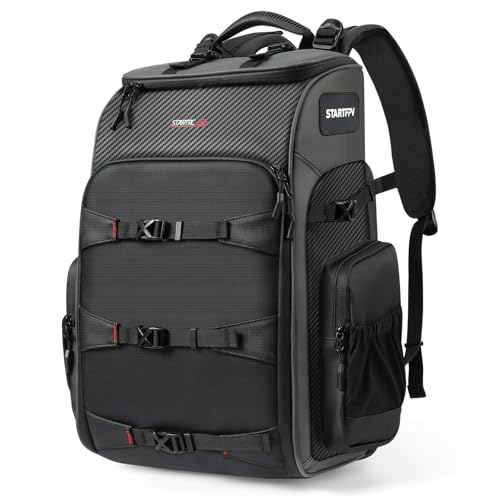


1. STARTRC Outdoor Backpack 40L: best for carrying two or three drones
The STARTRC Outdoor Backpack 40L is a large bag designed for drone enthusiasts. It is made for models such as the DJI Mavic 4 Pro, Air 3S, Avata 360 and Mini 5 Pro. The maker says it can hold two or three drones or cameras, along with accessories.
This bag suits people who fly several aircraft or who bring a lot of gear on each trip. It is a good fit for those who want one bag for drones, batteries, a laptop and a few personal items. It is less suited to someone who only owns a small drone and wants to travel light.
Best use cases
The bag works well for multi-day shoots, outdoor flying trips and days when you need to carry drones plus a computer. Its size makes it practical for hauling everything in one trip. For example, a photographer might pack two drones, spare batteries, a controller and a tablet for editing on location. Because of this, it is a common choice for people who fly in different places.
Key features in simple words
The main feature is the one-piece DIY partition system. You can move the dividers to fit the size of your drone or camera. This helps the device stay in place and avoids rattling inside the bag.
The bag also includes a special battery area. Charged batteries sit in a green section and empty ones in a red section. This simple color system helps you keep track of which batteries need charging. It is easy to learn, and it prevents you from mixing up spent and ready packs.
There is a computer compartment that can hold a laptop or tablet. Side zippered pockets are useful for a phone or small items like a memory card case. A separate accessory area helps keep small parts such as propellers and screws from getting lost.
Daily carrying comfort
Because the bag is large, it is best to expect a fuller load on your back. The shoulder straps are S-shaped and padded, and the mesh layer is meant to let air move. These details matter more when the bag is packed heavily, especially on warm days or long walks.
The curved straps are designed to reduce pressure under the arms and on the shoulders. In practice, comfort will depend on how much you carry and how well you adjust the straps. Tightening the hip area can shift weight off your shoulders. Taking time to set the fit at the start makes a noticeable difference.
Performance and protection
The partitions give the drone a snug fit, which helps protect it while walking or moving between locations. The padded design is meant to absorb small knocks. Still, no bag can guarantee full protection from hard impacts or a fall from height. Always power down your drone and secure it before you move the bag.
Ease of use
Setting up the partitions takes a little time the first time you use the bag. After that, changing the layout for a different drone is fairly simple. Beginners may find the many compartments helpful but a little busy at first. A good approach is to test the layout at home before your first outing.
Value for money
At $139.99, this is the most expensive of the three options. The price reflects its size and the number of compartments. For buyers who need to carry several devices, the price may be reasonable. For casual users, it may feel like more bag than they need. Compare it with your actual gear before deciding.
Pros
- Large capacity for two or three drones or cameras
- Adjustable one-piece partitions fit different device sizes
- Color-coded battery section helps track charged and empty batteries
- Dedicated laptop or tablet compartment and side pockets
Cons
- Higher price than the other two options
- Large size may feel bulky for short trips
- Full loads can be heavy on the straps and back, especially with several devices packed in
- Partition setup takes some time for first-time users
2. Torvol Pitstop Compact FPV Drone Backpack 17L: best for light travel
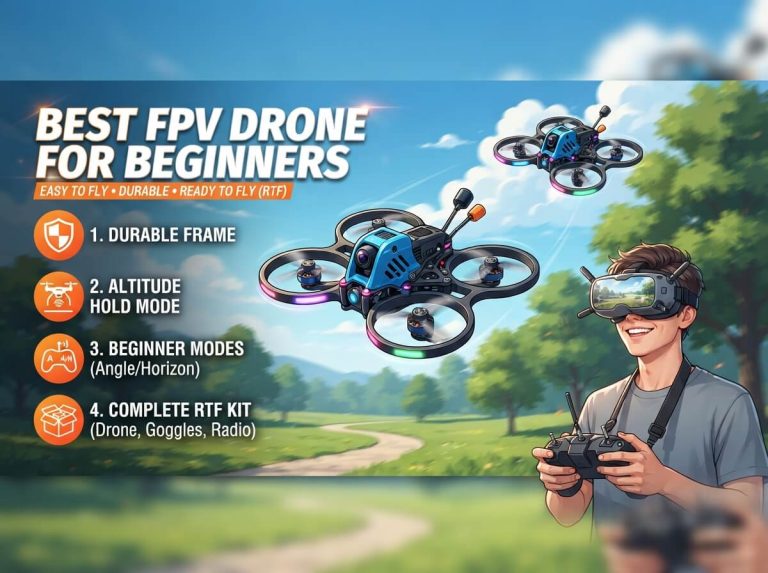
The Torvol Pitstop Compact FPV Drone Backpack 17L is a small, lightweight bag. It is designed for FPV pilots who want to travel with fewer items. FPV means first-person view, a flying style where the pilot sees a live camera feed through goggles.
This bag suits people who fly small drones and want to carry only the essentials. It also works for pilots who need a bag that doubles as an everyday pack for a laptop. It is less suited to someone who needs to carry several large drones at once.
If you already own a larger rig, this bag may feel tight. It works best when your kit is focused and your flying is mostly on the go. Think about how much gear you truly need on a typical outing before you decide.
Best use cases
The Pitstop Compact is a practical choice for short trips, quick flying sessions and travel by public transport. Its small size makes it easier to carry through crowded places. Because of this, it suits pilots who change flying spots often.
A typical example is a weekend session at a park or field, followed by a short train ride home. The bag fits under a seat or in an overhead rack more easily than a large case. It can also serve as a daily bag between flying sessions.
Key features in simple words
The bag offers 17 liters of space in a compact shape. It weighs about 1.9 kilograms, which the maker lists as a light weight for this kind of pack. The lighter build means less bulk on your back.
The interior has modular partitions that can be arranged for different equipment. The maker says it can carry up to two FPV drones of five inches or less, or certain DJI models. Batteries, tools, cables and a remote control also fit inside.
A built-in laptop pocket holds a laptop up to 15 inches, along with a charger. This makes the bag useful for editing video on the go. The layout is designed for quick access to gear when you change flying spots.
Comfort on the move
The back padding is described as improved, which can help when carrying the bag for longer periods. Because the bag is light, many people will find it easy to wear. Still, comfort always depends on how the bag is loaded and worn.
Try the bag with a realistic load before a long walk. Adjust the straps so the weight sits close to your back and does not pull on your shoulders. A well-fitted pack feels much lighter than a poorly fitted one, even at the same weight.
Protection and organization
The modular partitions help keep drones from sliding around. Organizing the space carefully is important, since a small bag leaves little room for error. Placing heavier items close to the back is usually a good habit.
Keep batteries in a separate, protected pouch or LiPo bag rather than loose among tools. Lay out your gear before packing so you can see if everything fits without forcing zippers. Leaving a little empty space can protect fragile parts from bumps.
Ease of use
Setting up the partitions is simple once you know your equipment layout. The quick-access design helps you reach gear without unpacking everything. For beginners, the compact size keeps the bag easy to manage.
Many new pilots find it helpful to set the partitions once for their main setup and leave them in place. This saves time at the flying site. Changing the layout only when your gear changes keeps the routine simple.
Value for money
At $119.00, this bag sits in the middle of the three options on price. It offers a useful mix of drone space and a laptop pocket. Buyers who want a compact bag with some everyday use may find it a sensible choice.
Compare the price with how often you will use the bag and what you need it to hold. A bag you carry daily can justify a higher price than one used only now and then. Check the current listing for the latest price before you buy.
Compatible accessories
The bag works with Torvol accessories such as a LiPo safe bag and quad straps, which are sold separately. LiPo refers to lithium polymer batteries, the type most drone packs use. Adding these items can help you build a fuller setup over time.
A LiPo safe bag adds an extra layer of protection for batteries while you travel. Quad straps can help secure a drone in place. Buy accessories only when you know you need them, so your budget stays focused.
Pros
- Lightweight and compact for easy travel
- Modular partitions for two smaller drones
- Laptop pocket for devices up to 15 inches
- Lower price than the largest option
Cons
- Limited space compared with larger bags
- Not suited to carrying several large drones
- Extra accessories must be bought separately
3. KEQIKAI Drone Backpack 50L Professional: best for rugged outdoor use
The KEQIKAI Drone Backpack 50L Professional is a large, sturdy bag. The listing says it fits DJI FPV, Mavic and Air drones, along with goggles, a controller and a laptop. It is aimed at people who carry gear over rough or wet terrain.
This bag suits outdoor pilots, hikers and travelers who want a rugged pack with a lot of space. It also fits people who need to carry a laptop and personal items in the same bag. It is less suited to someone who wants a small, slim pack for city trips and short flights.
Best use cases
This bag fits hiking trips, field work and travel where weather may change. Its outer material is described as water resistant, which helps in light rain and dusty places. For example, a pilot walking to a launch site through damp grass may find this useful. Because of this, it suits people who spend time outside.
Key features in simple words
The bag uses 900D PU-coated fabric. In plain terms, this is a tough, coated material meant to resist rain and dust. The listing says it exceeds IPX4 standards, a rating for splash resistance, though it is not fully waterproof. A splash-resistant bag can handle a sudden shower, but it should not be left submerged or in heavy rain for long.
Padded compartments are listed for the drone, goggles, controller, five batteries and a 16-inch laptop. A side opening gives quick access to the drone area. A felt-lined laptop sleeve and several mesh pockets help organize cables and batteries. Keeping batteries in separate mesh pockets can make it easier to see what is charged and what is not.
A separate dry-wet section is meant to keep damp clothes away from electronics. This can be useful after a flight in wet grass or on a rainy day. Hidden pockets and quick-release buckles add extra storage for small items like keys or memory cards.
Comfort under load
The shoulder straps are S-curved, and the back panel uses a honeycomb design meant to improve airflow. The removable chest and waist straps help spread weight across the body. These details matter most when the bag is heavy and worn for a long time, such as on a full-day hike with camera gear.
The listing claims the design reduces pressure by 35 percent, though this figure comes from the maker and has not been independently confirmed here. In practice, a well-fitted pack with a waist strap usually feels more stable on uneven ground. Comfort still depends on the load and the wearer, so it is worth adjusting the straps before setting off.
Durability and security
The stitching is described as steel-reinforced, and the zippers are listed as industrial YKK models. The maker also mentions a hidden RFID-safe pocket for cards. Because of this, the bag is designed with rough use and some security in mind.
Rugged design does not mean the bag is indestructible. Heavy drops, sharp edges or long exposure to harsh conditions can still cause wear. Careful handling, such as not dragging the bag over rocks, will help any bag last longer.
Travel and everyday use
A slide-on luggage strap lets the bag sit over a rolling suitcase handle. This can make airport travel easier when moving between terminals. Skateboard hooks and helmet or webbing attachments add options for city and outdoor trips, for example carrying a bike helmet on the outside of the pack.
The maker lists the weight at 5.6 pounds. A lighter bag is easier to carry, but a large bag with many features will still feel substantial when fully packed. Empty weight is only part of the picture, so consider the weight of the gear you plan to carry as well.
Ease of use
The many compartments offer plenty of organization, but they take time to learn. Beginners may need a few trips before the layout feels natural. Once set up, the side opening makes reaching the drone quick, and labeling pockets or using the same packing order each time can speed things up.
Value for money
At $35.99, this is the lowest-priced of the three options by a clear margin. It offers a long list of features for the price, including a laptop sleeve and rugged materials. Buyers who want strong features on a limited budget may find this value attractive.
Lower price does not always mean lower quality, but buyers should check the features against their own needs. The bag is large, so it may not suit someone who only carries a small drone. Still, for many outdoor users, the feature list is the main draw.
Pros
- Lowest price of the three options
- Padded compartments for a drone, accessories and a 16-inch laptop
- Water-resistant fabric and a separate dry-wet section
- Luggage strap and attachment points for travel
Cons
- Large size and weight can feel heavy when fully packed
- Water resistance is splash-level, not fully waterproof
- Many features take time to learn
- Performance claims are the maker’s and should be checked against your needs
Comparison insights: how the three bags differ
The three bags serve different needs. The STARTRC is the largest and holds the most drones. The Torvol is the smallest and lightest. The KEQIKAI sits between them in size and focuses on rugged outdoor use at the lowest price.
On performance, the STARTRC offers the most protective space for multiple devices. The and the Torvol protects two smaller drones in a tight layout. The KEQIKAI gives padded space for a drone, goggles, controller and a laptop, with added weather resistance. Each one protects gear in a different way, depending on the size of the load.
Ease of use follows a similar pattern. The Torvol is the simplest to manage because it has fewer parts to arrange. The STARTRC needs more setup time, since its larger interior has more dividers to position. The KEQIKAI has many pockets that take a few trips to learn, but each one has a clear purpose once you know where things go. Beginners who want the least fuss may lean toward the smaller bag.
Value for money depends on what you carry. The KEQIKAI offers the most features for the lowest price. The Torvol sits in the middle and suits light travel. The STARTRC costs the most, so it makes the most sense when you truly need space for several devices. Paying for space you never fill is a common regret, so match the price to your real load.
Buying guide: key factors explained in plain words
Start with the size of your drone. A bag that fits a small FPV drone may be too tight for a larger model. Check the listed dimensions and compare them with your gear before you buy. Measure your drone with its propellers folded or removed, since that is how most people pack it.
Next, think about how many devices you carry. One or two drones need a different layout than three drones plus batteries and a controller. Count your items first, then choose a capacity that fits. Include spare propellers, cables and tools in your count, because these small items fill space quickly.
Capacity is measured in liters. A larger number means more space, but also more weight when packed. A bag that is too big may tempt you to overpack, which can strain your back. Choose the smallest size that holds your full kit with a little room to spare.
Weight and comfort
Weight matters more than most beginners expect. A full bag can feel heavy within minutes of walking. Look for padded shoulder straps, a breathable back panel and, ideally, a waist strap to share the load. Carry the bag for a few minutes at home with everything inside to see how it feels.
Shoulder straps should adjust easily. A good fit keeps the bag close to your back and reduces swaying. Try the fit before a long trip if you can. Loose straps can cause the bag to bounce, which adds stress to your gear and your shoulders.
Protection and padding
Padding protects gear from small bumps. Partitions keep drones from sliding around during a walk or a bus ride. Adjustable dividers are helpful because they let you change the layout as your equipment changes. Thicker foam offers more cushioning, but it also takes up interior space, so balance the two.
No bag can prevent every type of damage. Hard drops and crushing forces can still harm electronics. Treat the bag as one part of a careful travel routine. Place the heaviest items low and near your back, and avoid stacking gear on top of drones.
Weather resistance
Some bags use water-resistant fabric, while others are not designed for wet weather. Water resistant means the material sheds light rain and splashes. Fully waterproof bags are rarer and are usually sealed in a different way. Read the product description closely, because the two terms are often confused.
If you fly in rain, look for a sealed zipper or a rain cover. A dry-wet separation section can also help keep clothes and electronics apart. Even with a good bag, let wet gear dry fully before you pack it away, since trapped moisture can cause damage over time.
Battery storage and safety
Drone batteries need careful handling. Many pilots keep batteries in fire-resistant bags or separate containers. Storing them in a clearly marked section, like the color-coded area on the STARTRC, can help you track which ones are charged and which are not. Keep batteries away from metal objects such as keys and coins.
Never pack damaged or swollen batteries. Follow the battery maker’s guidance for storage and transport. When in doubt, check local rules for carrying batteries on planes and trains, since airlines and transit operators can set their own limits on battery size and quantity.
Organization and extra features
Pockets for cables, a laptop sleeve and side access can save time. A side opening lets you reach a drone without unpacking the whole bag. Think about which features you will use every day and which ones are only nice to have. A feature you never use adds weight and cost without adding value.
Also check the zippers and stitching. Strong zippers and reinforced seams help a bag last through frequent use. Run each zipper back and forth in the store or on the product photos to judge its quality, and look at how the seams meet the handles, since that is where bags often fail first.
Who should buy these products
The STARTRC suits pilots who fly several drones or cameras and need one large bag. It is a good match for multi-day shoots and trips where space matters most. Pilots who carry a full kit of batteries, controllers and spare propellers will appreciate the room to keep everything in one place.
Buyers who can accept a higher price for capacity will find it useful. A bigger bag is also heavier when packed, so it works best for people who are comfortable carrying a heavier load over long distances. The Torvol suits FPV pilots who want to travel light.
It fits people who carry one or two small drones and want a bag that also holds a laptop. Commuters and pilots who change flying spots often may find it the easiest to manage, since a smaller footprint is simpler to carry on public transport and in crowded places.
The KEQIKAI suits outdoor users who need a rugged, feature-rich pack on a budget. It fits hikers, travelers and field workers who may face rain or rough ground. Buyers who want a large bag with many organization options may prefer this one, especially if they need to separate tools, chargers and personal items.
Final verdict
No single bag is the best fit for everyone. The right choice depends on how much gear you carry, how far you travel and how much you want to spend. Matching the bag to your daily routine is more important than chasing the longest feature list.
For large loads, the STARTRC offers the most space. For light travel, the Torvol is the simplest and lightest choice. For rugged outdoor use on a budget, the KEQIKAI offers the most features for the price.
Each bag has clear strengths and real trade-offs, so comparing your own needs against the listed features is the best next step. Before you buy, write down the devices you carry on a normal day and on a long trip. Compare that list with each bag’s listed dimensions and internal layout.
This simple check often reveals which option will feel comfortable in practice.
Frequently Asked Questions
What is the best drone backpack for beginners?
There is no single answer for everyone. Beginners who fly one small drone often find a compact bag easier to manage. Those who carry more gear may prefer a larger option with clear organization, so the kit stays sorted in the field.
How do I know what size drone backpack I need?
Measure your drone and accessories, then compare the listed dimensions and capacity. Count how many devices you carry on a typical trip. A bag with adjustable partitions can help if your gear changes over time, because you can resize compartments for new equipment.
Are drone backpacks waterproof?
Many drone backpacks are water resistant, not fully waterproof. Water resistant bags can handle light rain and splashes. For heavy rain, a rain cover or a sealed design is usually a better choice, and it is wise to keep electronics in sealed bags inside the main pack.
Can a drone backpack also hold a laptop?
Some models include a laptop pocket or sleeve. Check the maximum laptop size listed for each bag, since a sleeve that fits a 13-inch laptop may not fit a 16-inch one. A padded sleeve helps protect the device from knocks.
How should I carry batteries safely in a drone backpack?
Store batteries in a separate or fire-resistant section when possible. Keep damaged or swollen batteries out of the bag. Check the battery maker’s guidance and local transport rules before traveling, because airlines and countries can set their own limits on carrying spare batteries.
Peterson is an RC hobby enthusiast and product reviewer with a passion for remote-controlled cars, trucks, boats, drones, and accessories. He enjoys testing the latest RC products, comparing features, and sharing practical buying guides to help beginners and experienced hobbyists make informed decisions. Through RCThing.com, Peterson provides honest reviews, maintenance tips, and expert advice to help readers get the most from their RC adventures.