5 Best Drone for Beginners In 2026
If you have ever watched a drone glide over a beach or a mountain trail and thought “I want to try that,” you are not alone. Flying a drone looks like pure fun, and it really is, but the market is packed with options and that can make your head spin. Cheap toy drones fall out of the sky the moment wind picks up. Pro-level machines cost a small fortune and come with a learning curve that scares off new pilots before they even take off.
This guide is built for one goal: helping you find the best drone for beginners without wasting money on the wrong pick. We looked closely at five popular beginner-friendly drones, broke down their features in plain language, and gave you real talk about what works and what falls short. No hype, no fluff, just useful information you can act on today.
By the end of this article, you will know exactly which drone fits your budget, your skill level, and the kind of flying you want to do, from backyard practice runs to scenic aerial video.
Why Beginners Need a Drone Made for Them
New pilots often make the mistake of grabbing the cheapest drone they can find, assuming all drones fly the same way. They don’t. A drone built with beginners in mind usually includes a few things that make a real difference:
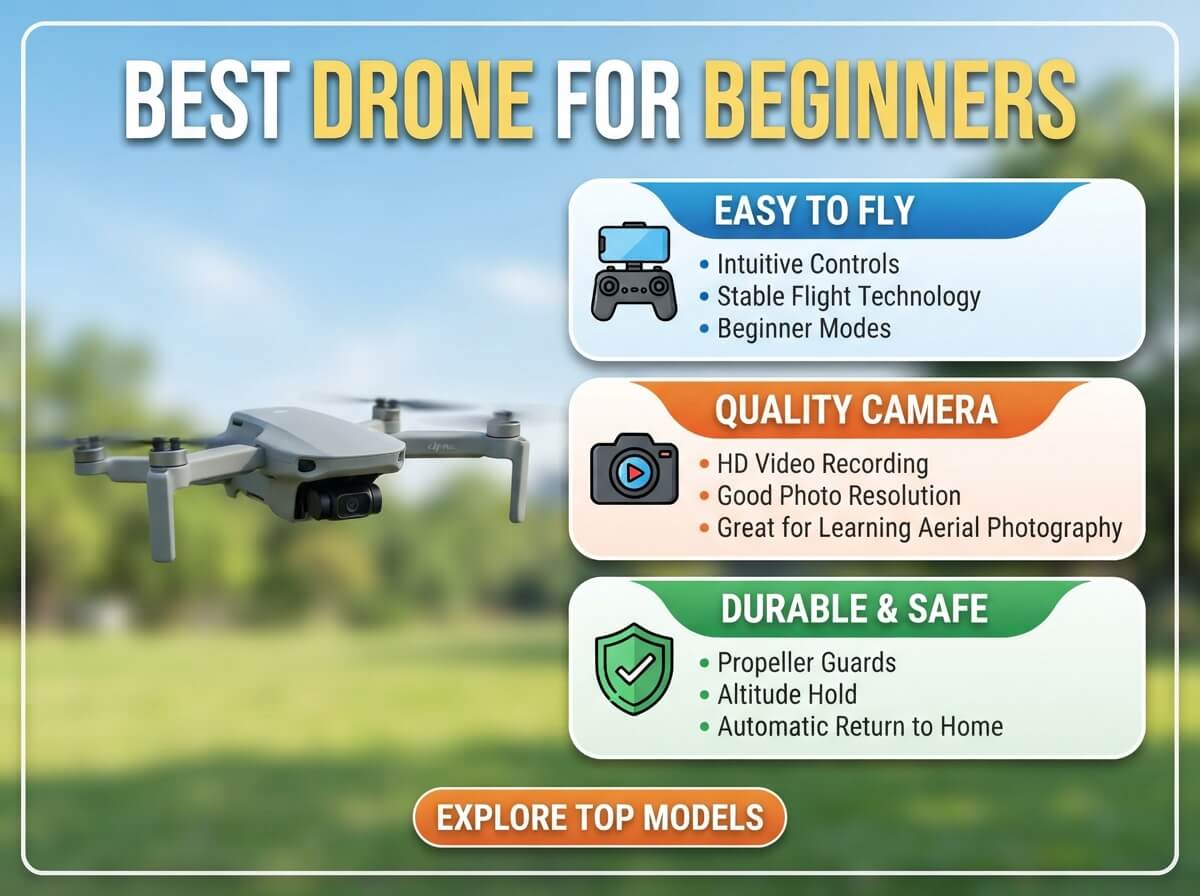
- GPS positioning so the drone can hold its spot in the air instead of drifting with the wind
- Auto return home so a lost signal or low battery does not turn into a lost drone
- Beginner or low-speed flight modes that slow everything down while you learn the controls
- Altitude hold so the drone stays level without you constantly adjusting throttle
- Light weight design, often under 249 grams, which usually means lighter registration rules in many countries
A drone with these features forgives small mistakes, and small mistakes are part of learning any new skill. The five drones in this roundup were picked because they all check these boxes in one way or another, while still offering solid cameras and flight times that make the experience enjoyable rather than frustrating.
Quick Comparison Table
| Drone | Weight | Camera | Max Flight Time | Auto Return | Best For |
|---|---|---|---|---|---|
| DJI Mini 4K | Under 249g | 4K/30fps | 31 minutes | Yes | Best overall image quality |
| VUCDUSK GPS Drone | Under 249g | 4K | 60 minutes | Yes | Longest single flight with FPV screen |
| Potensic ATOM SE | Under 249g | 4K EIS | 62 minutes | Yes | Best balance of price and stability |
| Bwine F7GB2 Pro | Heavier build | 4K UHD | 75 minutes (3 batteries) | Yes | Longest total flight time per session |
| Holy Stone HS175D | Under 249g | 4K | 46 minutes | Yes | Great all-around starter option |
Now let’s break each one down in detail so you can see exactly what you are getting for your money.
1. DJI Mini 4K – Best Overall Pick for Beginners
Product Overview
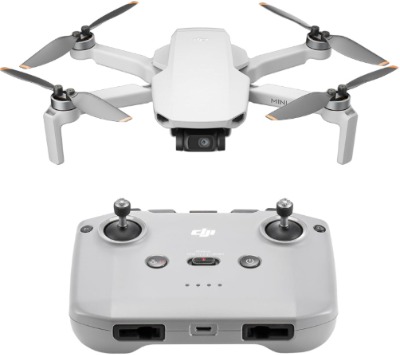
The DJI Mini 4K sits at the top of most beginner recommendation lists, and for good reason. DJI has spent years refining its Mini series, and this model brings that experience down to a price point that new pilots can actually afford. It weighs under 249 grams, which is a big deal because it usually means you dodge stricter drone registration rules that apply to heavier aircraft in many regions.
This drone captures 4K video at 30 frames per second, uses a 3-axis mechanical gimbal to keep footage smooth, and offers 4x digital zoom for closer shots without needing to fly nearer to your subject. It comes with a 10km video transmission range using DJI’s O2 system, which is far beyond what most beginners will ever need, but it does mean your video feed stays clear and steady even at moderate distances.
Key Features Explained Simply
- 3-Axis Gimbal Stabilization: Think of the gimbal as a tiny robotic arm that keeps the camera level no matter how the drone tilts or shakes in the wind. This is the reason DJI footage looks so smooth compared to cheaper drones that rely only on software correction.
- 31-Minute Flight Time: One battery gets you a little over half an hour in the air, which is above average for this weight class.
- Auto Return Function: If the battery gets low or the signal drops, the drone flies itself back to the takeoff point.
- Wind Resistance: The Mini 4K can handle moderate wind gusts, which matters a lot when you are just starting out and don’t yet know how to read weather conditions before flying.
Best Use Cases
This drone shines for travel video, real estate walkthroughs on a budget, and casual content creation for social media. Its light weight makes it easy to toss in a backpack, and the video quality is good enough that footage looks professional without needing much editing.
Real-Life Usage Insight
New pilots often report that the beginner mode on this drone caps speed and sensitivity, giving them room to get comfortable with the joysticks before switching to normal or sport mode. The learning curve feels gentle rather than steep, and most people get the hang of basic maneuvers within their first couple of flights.
Pros
- Sharp, stable 4K footage thanks to the mechanical gimbal
- Under 249g weight keeps registration simple in many places
- Long transmission range keeps the video feed reliable
- Strong brand reputation and wide accessory support
- Easy to repair or replace parts since DJI drones are common
Cons
- Only one battery included, so total flight time per session is limited unless you buy extras
- No obstacle avoidance sensors, so you need to fly with more caution around trees and buildings
- Higher price than some competitors on this list
Performance Discussion
Flight stability is where this drone really stands out. Even in light to moderate wind, it holds position well thanks to GPS lock and the gimbal keeps footage smooth without the jelly-like wobble you sometimes see on lower-cost drones. Battery life is solid for the weight class, though serious hobbyists will likely want a second or third battery to extend their flying sessions.
Ease of Use
The companion app walks you through calibration and pre-flight checks in a way that feels friendly rather than technical. Beginner mode locks the top speed down so early flights feel controlled instead of chaotic.
Value for Money
You are paying a bit of a premium for the DJI name, but the image quality and reliability justify the cost for anyone serious about producing good aerial video from day one.
2. VUCDUSK GPS Drone with 4.5″ FPV Screen Controller – Best for Long Flights with a Built-In Screen
Product Overview
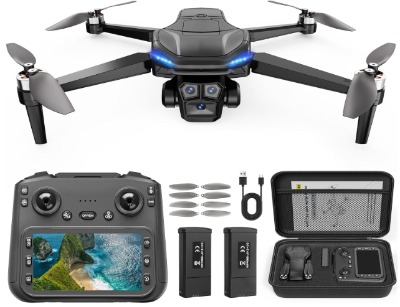
This drone from VUCDUSK takes a different approach by building a 4.5-inch screen right into the controller, so you can watch your live video feed without needing to clip on a phone. It offers a 4K camera, GPS positioning, brushless motors, and a claimed flight time up to 60 minutes, which is impressive for a drone in this weight class and price range.
Key Features Explained Simply
- 4.5″ FPV Screen Controller: FPV stands for first-person view, meaning you see exactly what the drone camera sees in real time, right on the controller screen instead of a phone.
- Brushless Motors: These motors last longer and run more efficiently than the brushed motors found in cheap toy drones, which translates into better flight time and less maintenance.
- Follow Me Mode: The drone tracks and follows your GPS location automatically, useful for hands-free video while biking, hiking, or walking.
- 3 Speed Modes: You can start slow in beginner mode and gradually work up to faster speeds as your confidence grows.
- Foldable Design: The arms fold in for compact storage and easy transport.
Best Use Cases
This drone fits people who want a simple all-in-one setup without fiddling with a phone mount or app permissions every time they fly. It also suits outdoor activities like hiking or cycling where Follow Me mode can capture footage without a second person operating the controller.
Real-Life Usage Insight
The built-in screen removes a common frustration new pilots run into, which is dealing with phone glare or a dying phone battery mid-flight. Having a dedicated screen keeps things simple, especially for anyone who just wants to fly without extra setup steps.
Pros
- Long flight time up to 60 minutes on a single charge
- No need to connect a phone, since the screen is built into the controller
- GPS-based Follow Me mode adds a fun, hands-free filming option
- Foldable and lightweight for easy travel
- Budget-friendly compared to name-brand options
Cons
- Camera quality, while labeled 4K, does not quite match the sharpness of the DJI Mini 4K in real-world conditions
- Build quality feels less refined than premium brands
- Customer support and firmware updates can be less consistent with lesser-known brands
Performance Discussion
GPS hold works reliably in calm to moderate wind, and the brushless motors give it decent stability during hovering shots. Video transmission through the screen is smooth at close to mid-range distances, though it can lag slightly at the far edges of its range.
Ease of Use
This is one of the simpler drones on this list to get started with, mainly because the screen and controls are ready to go right out of the box. There is very little app setup involved.
Value for Money
For the price, getting a built-in screen, GPS features, and a long flight time is a strong deal, especially for anyone who wants a no-fuss first drone.
3. Potensic ATOM SE – Best Balance of Price and Performance
Product Overview
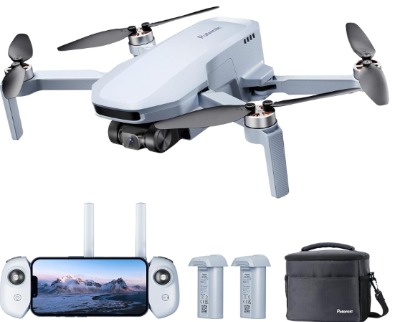
The Potensic ATOM SE has built a strong reputation among new pilots looking for GPS stability and solid camera performance without paying premium prices. It weighs under 249 grams, includes a 4K camera with EIS (electronic image stabilization), and offers an impressive 62-minute max flight time, one of the longest on this list.
Key Features Explained Simply
- 4K Camera with EIS: Electronic image stabilization smooths out shake using software, working alongside the drone’s build to reduce the jittery look you get from lower-end cameras.
- 4KM FPV Transmission: You get a live video feed up to 4 kilometers away, more than enough range for typical recreational flying.
- Brushless Motor: Same durability and efficiency benefits mentioned earlier, helping this drone reach that long flight time.
- Max Speed 16m/s: Gives more experienced flyers room to push the drone a bit faster once they are past the beginner stage.
- Auto Return: Standard safety feature that brings the drone home automatically if signal drops or battery runs low.
Best Use Cases
This drone works well for hobbyists who want to practice longer flight sessions without constantly swapping batteries, and for anyone who wants stable aerial footage for YouTube or personal projects without spending DJI-level money.
Real-Life Usage Insight
New pilots often mention how forgiving the ATOM SE feels during landing, since GPS hold keeps it steady right up until touchdown. That steadiness reduces the chance of tipping over or drifting into an obstacle during those tricky first and last few seconds of a flight.
Pros
- Very long flight time at 62 minutes
- Reliable GPS hold and auto return
- Lightweight and foldable for easy carrying
- Good value for the camera quality you get
- Beginner-friendly flight modes
Cons
- EIS stabilization is good but still not as smooth as a full mechanical gimbal
- App interface feels less polished than DJI’s software
- Wind resistance is decent but not class-leading
Performance Discussion
Where this drone truly earns its spot on the list is flight endurance. A 62-minute max time means far fewer interruptions during a flying session, letting beginners actually practice maneuvers instead of constantly landing to recharge or swap batteries.
Ease of Use
Setup is straightforward, with clear on-screen prompts during first-time calibration. The beginner mode slows things down enough that new pilots rarely feel overwhelmed.
Value for Money
Given the flight time and camera specs, this drone offers some of the best value on this entire list, sitting nicely between budget toy drones and pricier premium models.
4. Bwine F7GB2 Pro – Best for Extended Multi-Battery Sessions
Product Overview
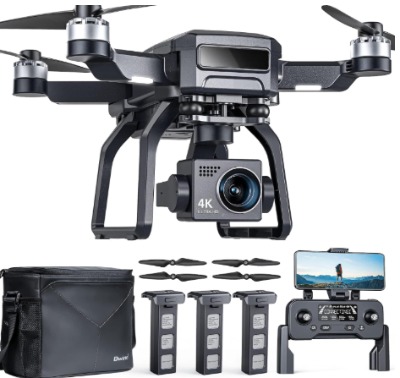
The Bwine F7GB2 Pro takes a slightly different route by focusing on total flying time across a full session rather than a single battery. It ships with three batteries, adding up to 75 minutes of combined flight time, along with a 4K UHD camera on a 3-axis gimbal and a control range up to 10,000 feet.
Key Features Explained Simply
- 3 Batteries Included: Instead of one long flight, you get three shorter flights back to back, adding up to more total airtime per outing.
- 3-Axis Gimbal: Like the DJI Mini 4K, this uses a mechanical gimbal rather than pure software correction, giving footage a smoother, more natural look.
- GPS Follow, Waypoint, and Orbit Fly: These are advanced-feeling features made simple. Follow tracks you automatically, Waypoint lets you draw a flight path on the map for the drone to fly on its own, and Orbit Fly circles a subject automatically for cinematic shots.
- Beginner Mode: Slows down responsiveness so new pilots can build confidence gradually.
Best Use Cases
This drone fits people who want to spend a whole afternoon flying without needing to buy separate batteries later, plus anyone curious about trying semi-automated shots like orbiting a landmark or following a set flight path.
Real-Life Usage Insight
Having three batteries in the box removes a common early frustration, which is running out of flight time just as you start feeling comfortable with the controls. New pilots get more practice time per session, which speeds up the learning curve noticeably.
Pros
- 75 minutes of total flight time across three batteries
- Mechanical gimbal gives noticeably smoother footage than software-only stabilization
- Waypoint and Orbit Fly add creative options beyond basic flying
- Long control range up to 10,000 feet
- Great value since three batteries are included in the box
Cons
- Heavier build than some drones on this list, so it may fall outside the lightest registration category in certain regions
- Swapping batteries mid-session adds a small interruption compared to single long-flight drones
- Slightly steeper learning curve for the advanced flight modes like Waypoint
Performance Discussion
Flight stability benefits from the mechanical gimbal, and GPS-based modes like Orbit Fly work smoothly once you get comfortable setting them up through the app. The main advantage here is total airtime, since three batteries mean far less downtime during a flying day.
Ease of Use
Basic flying is simple enough for beginners, but the advanced modes like Waypoint Fly take a bit more time to learn. That said, none of it feels overly technical once you spend a session exploring the app.
Value for Money
Getting three batteries in the box is a real money saver, since extra batteries for other drones on this list are often sold separately at a noticeable cost. This makes the F7GB2 Pro a strong pick for anyone who plans to fly often.
5. Holy Stone HS175D – Best All-Around Starter Drone
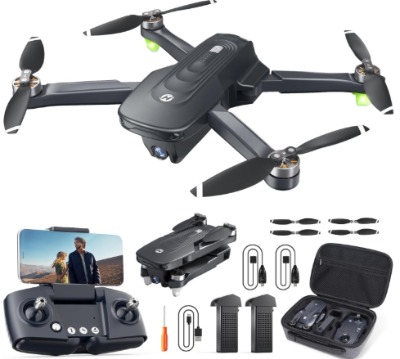
Product Overview
Holy Stone has built a solid name in the beginner drone space, and the HS175D continues that trend. It weighs under 249 grams, includes a 4K camera, GPS positioning, and a flight time of up to 46 minutes. It also brings in a nice set of smart flight modes like Circle Fly and Waypoint Fly that make it feel more advanced than its price tag suggests.
Key Features Explained Simply
- Circle Fly: The drone automatically circles around a chosen point, great for capturing a subject from every angle without manual piloting.
- Waypoint Fly: Set a path on your phone screen and the drone follows it on its own.
- Altitude Hold: Keeps the drone at a steady height automatically, so you can focus on left-right and forward-back movement while learning.
- Follow Me Mode: Tracks your phone’s GPS signal so the drone can trail behind you during outdoor activities.
- Brushless Motor: Adds durability and quieter operation compared to cheaper brushed-motor drones.
Best Use Cases
This drone suits new pilots who want a well-rounded first drone with smart flight features included, without needing to spend DJI-level money. It works nicely for family outings, casual travel clips, and practicing semi-automated flight modes.
Real-Life Usage Insight
New pilots tend to enjoy Circle Fly the most, since it delivers a cinematic-looking shot with almost no piloting skill required. This kind of feature builds confidence early and keeps first-time flyers motivated to keep practicing.
Pros
- Well-rounded feature set including Circle Fly and Waypoint Fly
- Reliable altitude hold makes basic flying easier to manage
- Reasonable flight time under 249g
- Solid value for a feature-packed starter drone
- Simple folding design for portability
Cons
- Flight time trails behind the Potensic ATOM SE and VUCDUSK models
- Camera quality is good but not top-tier for the category
- App can feel slightly less refined during initial setup
Performance Discussion
Altitude hold and GPS positioning work well together here, keeping the drone stable enough for smooth footage during basic flights. The smart flight modes add a layer of fun that some competitors in this price range don’t offer.
Ease of Use
Beginner mode combined with altitude hold makes this one of the more forgiving drones on the list for a first flight. The app setup takes a few extra steps but nothing overly complicated.
Value for Money
Given the mix of smart features and a fair price, this drone lands as one of the more well-rounded options for someone who wants variety in their flying experience without a big budget.
Comparison Insights: How These Drones Stack Up Against Each Other
Looking at these five drones side by side, a few clear patterns show up.
On camera quality, the DJI Mini 4K leads the pack thanks to its mechanical gimbal and DJI’s image processing. The Bwine F7GB2 Pro comes close behind with its own 3-axis gimbal, while the Potensic ATOM SE, VUCDUSK, and Holy Stone HS175D rely more on electronic stabilization, which works well but shows minor shake during quick movements or windy conditions.
On flight time, the Bwine F7GB2 Pro wins on total airtime thanks to its three included batteries, giving you 75 minutes of combined flying. The Potensic ATOM SE and VUCDUSK drone both offer strong single-battery flight times around the 60-minute mark, well ahead of the DJI Mini 4K’s 31 minutes and the Holy Stone HS175D’s 46 minutes.
On weight and portability, four of the five drones sit under 249 grams, keeping them light and travel-friendly. The Bwine F7GB2 Pro breaks from this pattern slightly due to its heavier three-battery kit, though it makes up for that with extended total flight time.
On smart features, the Bwine F7GB2 Pro and Holy Stone HS175D both bring in Waypoint Fly along with Orbit or Circle Fly, giving new pilots access to semi-automated cinematic shots early on. The DJI Mini 4K keeps things simpler with a focus on stability and image quality rather than automated flight paths.
On price versus value, the Potensic ATOM SE and Holy Stone HS175D tend to offer the strongest overall value for someone who wants solid features without paying a premium, while the DJI Mini 4K justifies its higher price through camera performance and brand reliability.
Buying Guide: What to Look for in a Beginner Drone
Before you commit to any drone, run through this short checklist so your purchase actually matches how you plan to fly.
1. Weight and Registration Rules
In many countries, drones under 249 grams avoid some of the stricter registration requirements that apply to heavier models. If you want the simplest path to flying legally with minimal paperwork, lean toward drones in that weight class, which covers four of the five drones in this roundup.
2. Flight Time
Longer flight time means more practice per session and fewer interruptions. Look at both single-battery flight time and check if extra batteries are included, since that combination determines how long you can actually fly during one outing.
3. Camera Stabilization Type
Mechanical gimbals, found on the DJI Mini 4K and Bwine F7GB2 Pro, physically counteract movement and generally produce smoother footage. Electronic image stabilization, used by the other three drones here, corrects shake through software and still performs well, though it can show slight artifacts during fast motion.
4. GPS and Auto Return
These two features work together to keep your drone safe. GPS holds position steady in wind, and auto return brings your drone home automatically if the connection drops or the battery runs low. All five drones in this list include both, which is a strong sign of beginner-friendly design across the board.
5. Beginner or Low-Speed Flight Modes
A drone that lets you slow things down while learning is far less stressful to fly. Every drone on this list includes some form of beginner mode, so this box is checked no matter which one you pick.
6. Smart Flight Features
Features like Follow Me, Circle Fly, Orbit Fly, and Waypoint Fly add a fun, creative layer to flying, especially for beginners who want cinematic-looking shots without advanced piloting skills. If this appeals to you, the Bwine F7GB2 Pro and Holy Stone HS175D stand out.
7. Budget
Set a realistic budget before you shop, and remember to factor in extra batteries, propeller guards, and a carrying case if they are not included. A slightly cheaper drone with fewer batteries in the box can end up costing more once you add these extras separately.
Who Should Buy Each of These Drones
The DJI Mini 4K fits someone who cares most about image quality and wants a trusted brand name backing their purchase, even if it means paying a bit more and accepting a shorter single-battery flight time.
The VUCDUSK GPS Drone suits a beginner who wants a simple, screen-included setup without dealing with a phone app, plus solid flight time for the price.
The Potensic ATOM SE works well for someone who wants the best overall balance of flight time, stability, and price without stepping up to premium-brand pricing.
The Bwine F7GB2 Pro makes sense for a pilot who plans to fly often and wants long total airtime plus smart flight modes like Orbit Fly, and does not mind a slightly heavier kit.
The Holy Stone HS175D is a great fit for someone who wants a well-rounded feature set, including Circle Fly and Waypoint Fly, at a friendly price point for a first drone.
Common Mistakes Beginners Should Avoid
Skipping the Manual and App Tutorial
It’s tempting to just charge the battery and fly right away, but skipping the setup tutorial often leads to avoidable crashes. Calibration steps exist for a reason, and taking ten extra minutes upfront saves a lot of frustration later.
Flying in Bad Weather Too Soon
Wind and rain both cause problems for lightweight drones. New pilots should stick to calm, dry days until they get a feel for how their drone handles small gusts.
Ignoring Local Drone Laws
Rules around drone weight, no-fly zones, and registration vary by location. A quick check on local regulations before your first flight prevents legal headaches down the road.
Flying Too Close to People or Property
Even GPS-stabilized drones can drift slightly, especially indoors or near buildings that interfere with satellite signals. Keep a safe distance from people, pets, and structures, particularly during your early flights.
Not Practicing Manual Control
Auto features like Follow Me and Waypoint Fly are great, but relying on them too much early on means you never build core piloting skills. Spend real time flying manually so you are ready to take control if a smart feature ever misbehaves.
Draining the Battery Completely
Letting a battery run down to zero regularly shortens its lifespan. Most drones alert you when battery levels get low, and it’s best to land and recharge at that point rather than pushing for extra seconds of flight.
Overlooking Propeller Guards for Indoor Practice
If you plan to practice indoors before heading outside, propeller guards protect walls, furniture, and fingers from spinning blades during those early wobbly flights.
Final Verdict: Which One Should You Actually Buy?
All five drones on this list earn their spot as solid options for new pilots, but they serve slightly different needs.
If image quality and brand trust matter most to you, and you don’t mind a shorter single flight time, the DJI Mini 4K is the strongest pick, especially for anyone planning to share footage publicly or use it for light commercial work like real estate.
If you want the best overall mix of flight time, stability, and price without spending too much, the Potensic ATOM SE stands out as the smartest all-around choice for most beginners.
If you plan to fly often and want the most total airtime per session along with fun smart flight modes, the Bwine F7GB2 Pro delivers the most value thanks to its three included batteries.
If a simple, screen-equipped setup appeals to you, the VUCDUSK GPS Drone removes the extra step of connecting a phone and still delivers strong flight time.
If you want a well-rounded starter drone packed with smart features like Circle Fly at a friendly price, the Holy Stone HS175D rounds out this list nicely.
Every one of these drones includes the core safety and beginner-friendly features that matter most: GPS hold, auto return, and adjustable flight modes that let you build confidence at your own pace. The right choice really comes down to how you plan to fly, how often, and what kind of footage you want to bring home.
Take your time, match the features above to your own needs, and you will end up with a drone that makes learning to fly genuinely fun instead of stressful. That is really the whole point of getting started in this hobby, and with any of these five drones, you are set up to enjoy the process from your very first takeoff.