1/10 Vs 1/8 Scale Rc Car
Picking the right hobby vehicle often starts with size. Comparing a 1/10 vs 1/8 scale RC car is the best way to determine which machine fits your driving style and budget. This guide breaks down the physical and performance differences between these two common sizes. You will learn how scale affects handling, maintenance, and where you can drive your vehicle.
Key Takeaways
- 1/10 scale models are often more affordable and easier to store than their larger counterparts.
- 1/8 scale vehicles provide superior stability on rough terrain due to their weight and larger tires.
- Maintenance costs for 1/8 scale cars are typically higher because the parts are larger and more robust.
- Beginners should consider available driving space and local hobby shop support before deciding on a scale.
Differences in Size and Scale
What Scale Actually Means
Scale refers to the ratio of the model size to the size of a full-scale vehicle. A 1/10 scale car is theoretically one-tenth the size of its real-world equivalent. This measurement helps enthusiasts estimate the general proportions of the chassis. It is important to note that scale is not a rigid standard. Different manufacturers may interpret these dimensions slightly differently based on the vehicle type. A 1/10 scale truck might look larger than a 1/10 scale sedan because of body style differences. You can think of scale as a rough category rather than a precise engineering specification.
Physical Dimensions and Weight
The physical difference between these two scales is noticeable when placed side by side. 1/10 scale cars are generally compact and lightweight. They fit easily into standard backpacks or small storage bins, making them ideal for hobbyists with limited room. 1/8 scale cars are significantly bulkier and heavier. These models feature larger shocks, thicker chassis plates, and wider tires. The extra mass contributes to a more solid feel when the vehicle moves across uneven ground. Because of this size, you will need more shelf space for storage and a larger vehicle for transport.
Performance and Driving Experience
Handling on Different Terrains
Scale plays a major role in how a car interacts with the ground. 1/10 scale models handle well on smooth surfaces like pavement, concrete, or short grass. They react quickly to steering inputs because they have less inertia and a lower center of gravity for their size. 1/8 scale vehicles excel on rougher terrain. Their larger wheels allow them to roll over rocks, ruts, and tall grass that might stop a smaller car. The increased weight keeps the tires planted firmly, reducing the chance of the car flipping over during sharp turns. This scale is often the preferred option for tracks that feature loose dirt or large jumps.
Speed and Power Considerations
Both scales can reach high speeds, but they deliver power differently. 1/10 scale cars often feel more agile and twitchy at high speeds. They accelerate rapidly due to their lower total weight and require less battery power to achieve impressive velocity. 1/8 scale cars provide a sense of momentum. They feel more stable at top speed and handle jumps with more composure. Because they are often built for heavy-duty use, they can handle powerful motors and large battery packs that would quickly wear out or overheat a smaller car. You will find that these larger models often require specialized chargers and high-capacity batteries to reach their full potential. The mechanical stress on drivetrain components is higher, which is why 1/8 scale parts are engineered with more durable materials like hardened steel.
Maintenance and Parts Availability
Durability of Larger Components
Larger vehicles often feature thicker suspension arms and heavier-duty drive shafts. These components are designed to withstand the stress of a heavier chassis hitting bumps or landing jumps. This makes 1/8 scale cars quite durable in demanding environments. 1/10 scale parts are smaller and sometimes more fragile. However, many 1/10 scale vehicles are designed for racing, which means they use high-quality materials to keep weight down. Durability depends more on the specific model design than just the scale.
Cost of Ownership and Repairs
Budget is a practical concern for any newcomer. 1/10 scale cars usually have lower entry prices. The parts are smaller and often cost less to replace when something breaks. 1/8 scale ownership involves higher expenses. The tires, batteries, and electronic components for these larger machines carry a premium price tag. Repairs can add up quickly, so buyers usually factor in the cost of long-term maintenance.
Space and Battery Requirements
Where to Drive Your RC Car
Your local environment dictates the best scale for your needs. If you only have access to a small backyard or a local driveway, a 1/10 scale car is usually enough. It provides plenty of excitement without needing massive amounts of space. If you live near an open field, a dirt track, or a park with trails, a 1/8 scale car is a better option. These vehicles require more room to reach their full potential. They are less maneuverable in tight, confined areas.
Battery Life and Charging Needs
Battery technology has improved for both scales, but requirements differ. 1/10 scale cars typically use smaller, lighter battery packs. These packs charge faster but offer slightly shorter run times. 1/8 scale cars often require larger, high-capacity battery packs to power their heavier motors. These batteries are heavier and take longer to charge. Some 1/8 scale models even require two battery packs to run, doubling the charging load.
Frequently Asked Questions
Is a bigger RC car always better?
Bigger is not necessarily better, as it depends on your specific goals. While 1/8 scale cars offer more stability on rough ground, 1/10 scale cars are more agile and affordable. The best option depends on where you plan to drive and your available budget.
Can beginners start with 1/8 scale models?
Beginners can certainly start with 1/8 scale models if they have the right space and budget. These cars are often easier to drive over obstacles, which can reduce frustration. Just be aware that the initial cost and repair bills are generally higher.
Do these cars use the same types of batteries?
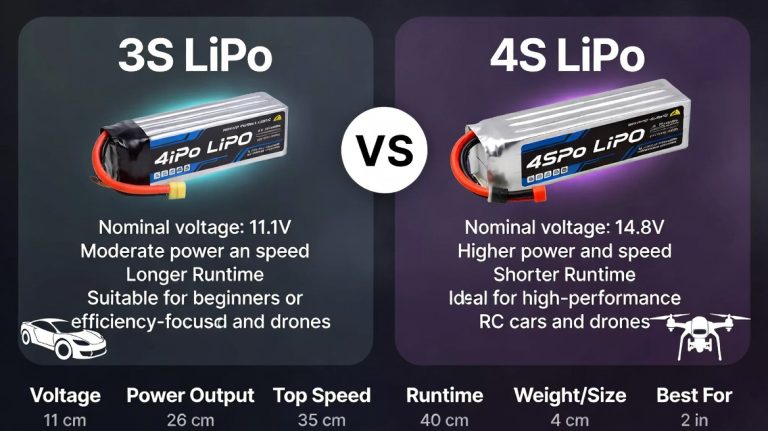
Most modern RC cars use Lithium Polymer, or LiPo, batteries. However, the specific size, voltage, and plug connectors often differ between 1/10 and 1/8 scales. You usually cannot swap batteries between the two sizes without adapters or specific modifications.
Which scale is easier to repair?
Many hobbyists find 1/10 scale cars easier to work on because the components are smaller and lighter. 1/8 scale cars have more complex, heavy-duty parts that can be physically taxing to disassemble. Both scales require basic tools and patience for routine maintenance.
Does scale affect the top speed of the vehicle?
Scale does not strictly limit top speed, as both sizes can go very fast with the right electronics. However, 1/8 scale cars are often geared for torque and stability rather than pure speed. 1/10 scale cars are frequently designed to be lightweight speed machines.
Final Thoughts on Determining Your Scale
The decision between a 1/10 vs 1/8 scale RC car comes down to your priorities. 1/10 scale models offer a balanced mix of performance and affordability. They are ideal for those who want to drive in smaller spaces or keep costs manageable. On the other hand, 1/8 scale vehicles provide a robust experience for those tackling harsh terrain. They handle bumps and jumps with ease but require a higher investment. Think about your local driving environment and your long-term budget to make the right call. Both scales offer a rewarding experience for beginners entering the hobby. Once you identify where you will drive most often, the decision becomes much clearer. Start with a vehicle that matches your environment to enjoy the hobby to its fullest.
Peterson is an RC hobby enthusiast and product reviewer with a passion for remote-controlled cars, trucks, boats, drones, and accessories. He enjoys testing the latest RC products, comparing features, and sharing practical buying guides to help beginners and experienced hobbyists make informed decisions. Through RCThing.com, Peterson provides honest reviews, maintenance tips, and expert advice to help readers get the most from their RC adventures.