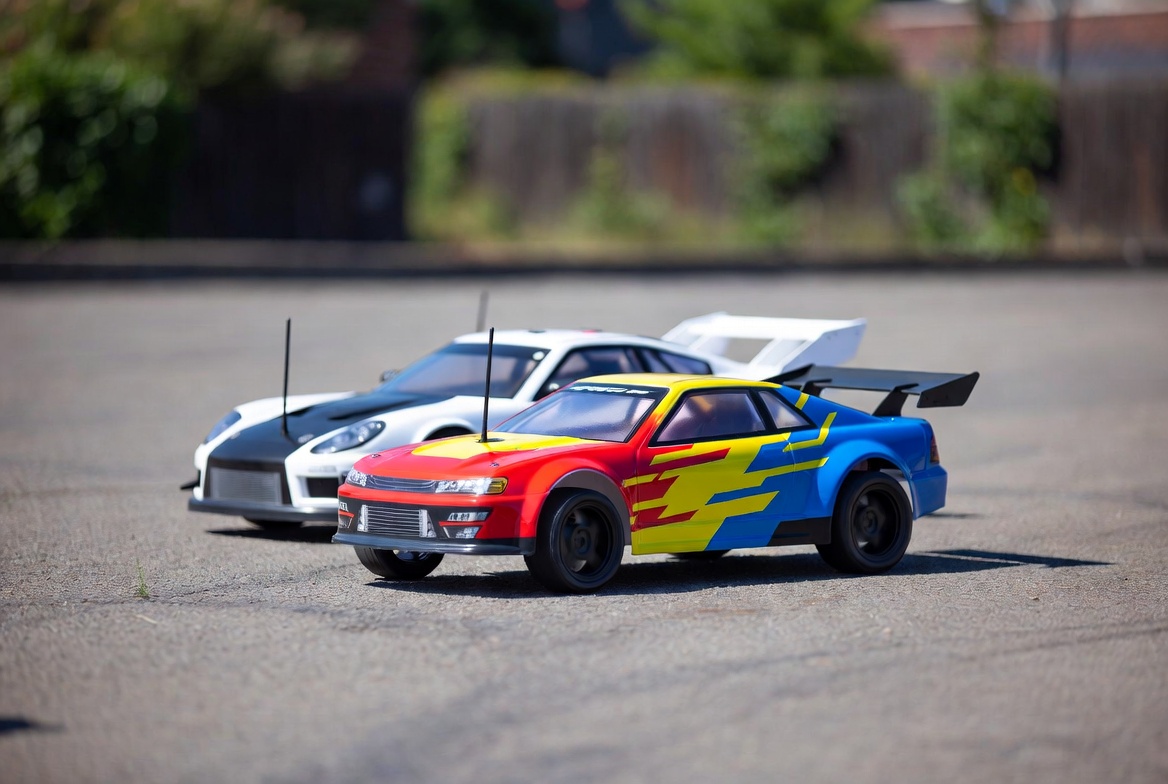
RC Drift Car vs RC Touring Car
Hey there, fellow RC fan! If you get a kick out of remote control cars zooming around, then you already know the thrill of holding a transmitter and feeling every turn in your hands. Today we dive deep into two popular types that bring totally different vibes: the rc drift car and the rc touring car. One slides and spins with style, while the other sticks to the pavement and flies through tight corners at top speed. You will walk away from this post knowing exactly how they stack up so you can pick the right ride for your style of fun. We cover everything from basic builds to real track action, all in simple terms that make sense right away. Let us jump straight in and see what makes each one special.
What Makes an RC Drift Car So Much Fun
An rc drift car turns every corner into a smooth slide show. You steer it and the back end breaks loose on purpose, letting you hold long drifts without spinning out completely. People love these cars because they copy the full-size drift machines you see in car shows and videos. The setup focuses on rear wheel drive most of the time. This layout sends power only to the back wheels so the front can point one way while the rear slips the other way.
You control the angle with small throttle and steering inputs. The car stays sideways for seconds at a time if you nail the balance. Beginners often start on carpet or smooth indoor floors because those surfaces help the tires lose grip at just the right moment. Many rc drift cars come in 1/10 scale, which feels perfect for your hands and fits nicely in a garage or living room track. The body shells look sleek with wide fenders and low profiles that cut through the air during slides.
Inside the chassis you find a simple but smart layout. The motor sits up front or mid-car to shift weight back and help the rear break loose. Gears run with a higher ratio so you get quick bursts of power without crazy top speed. That setup keeps the car easy to manage during long drift runs. Lights on some models flash during slides, adding extra cool factor at night sessions. Overall, the rc drift car delivers pure entertainment because you focus on style and flow instead of raw lap times. You practice hand-eye coordination every single run and feel like a pro driver after just a few tries.
How an RC Touring Car Brings Serious Racing Energy
Now shift gears to the rc touring car. This machine lives for clean, fast laps on smooth tracks. It hugs the surface and follows exact lines through every turn without sliding. You push it hard and it stays planted, letting you brake late and accelerate early out of corners. Most rc touring cars run four wheel drive so power goes to all tires at once. That grip gives you confidence to attack high-speed sections without worry.
The body design looks like miniature touring or GT race cars with smooth lines and spoilers that keep the car stable at full throttle. Scale stays around 1/10 here too, but the chassis feels stiffer and lower to the ground for better cornering. You get precise steering response because the front and rear suspensions work together to keep all four tires biting the track. Electronics include strong servos that snap the wheels back on line in a split second.
Racers use these cars at club events or big parking lot tracks where lap times matter. The focus stays on consistency and speed rather than flashy moves. You learn proper racing lines fast because the car rewards smooth inputs. Many kits let you tweak camber and toe angles so you dial in perfect handling for your local surface. In short, the rc touring car gives you that race day rush where every second counts and clean driving wins the day.
Design Details That Set the Two Apart
Take a close look at the chassis and you notice big differences right away. Rc drift cars often use a simple plastic or aluminum plate chassis with weight shifted toward the rear. This balance helps the back end swing out easily. The drivetrain runs rear wheel drive in most cases, and the differential allows the rear wheels to spin at different speeds during slides. You adjust the gear mesh so power hits quick but stays controllable.
Rc touring cars go for a stiffer tub or double deck chassis that resists flex under hard cornering. Four wheel drive systems link front and rear with belts or shafts, spreading power evenly. Differentials here lock tighter to maintain traction instead of allowing slip. Suspension arms look longer and more adjustable on touring cars so you fine tune how the car rolls through bumps or leans in turns.
Body mounts sit lower on drift cars to let the shell tilt during big angles. Touring car bodies stay rigid and low for aero performance. Even the battery placement changes things. Drift setups slide the pack back for tail happy handling while touring cars center it for neutral balance. These small design choices create huge gaps in how each car feels when you drive it. You feel the rc drift car want to rotate and the rc touring car want to grip and go straight.
Tires and Grip Levels Change Everything
Tires make the biggest impact on your rc car experience. Rc drift cars roll on hard plastic or special low grip rubber that slides beautifully on carpet or polished concrete. You can even run foam tires for indoor sessions because they lose traction at low speeds and let you practice controlled slides. The tread pattern stays minimal so the contact patch breaks loose fast when you apply throttle.
Rc touring cars use soft rubber compounds with lots of tiny grooves or slicks that bite into asphalt or carpet tracks. These tires generate massive grip so the car stays planted even when you hammer the gas. You rotate tires often because the edges wear down during hard cornering. Many racers carry multiple sets and switch them based on track conditions.
The difference shows up immediately when you swap tires between the two cars. Put drift tires on a touring chassis and it slides all over the place. Stick touring tires on a drift car and the back end refuses to break loose no matter how hard you try. So you keep separate tire sets if you own both types. Cleaning your tires after every run keeps performance consistent and prevents dirt from messing up your grip levels.
Suspension Setup and Steering Response
Suspension parts turn your inputs into smooth action on the track. Rc drift cars run softer springs and longer shock travel so the rear can squat and slide without bouncing wildly. You adjust damping oil to control how fast the shocks compress during a drift entry. Steering throw gets limited on purpose so you avoid overcorrecting and spinning out. Many kits include adjustable links that let you change the drift angle on the fly.
Rc touring cars use stiffer springs and shorter shocks to keep the chassis flat through high speed turns. You tune the anti-roll bars to reduce body lean and keep weight on the outside tires. Steering servo speed feels lightning quick because you need instant corrections at race pace. Camber and caster adjustments let you dial in how the tires lean into corners for maximum grip.
Both cars let you tweak ride height, but the goals stay opposite. Drift cars sit a bit higher in the rear for rotation, while touring cars drop low all around for stability. These suspension choices affect how the car reacts to small bumps or big jumps. You learn to read the track surface and adjust on the spot so every run feels better than the last.
Motors, Batteries, and Power Delivery
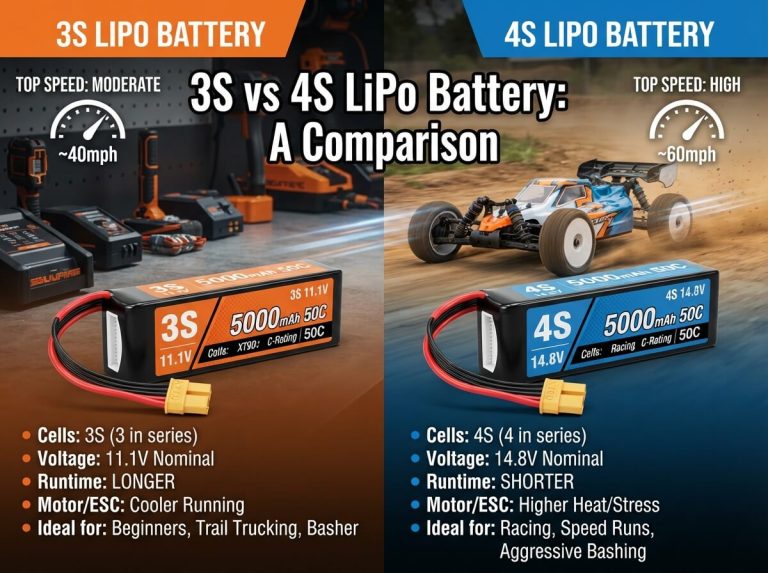
Power systems bring the cars to life and keep the excitement high. Rc drift cars often run brushed or brushless motors with moderate kv ratings. The lower power keeps slides manageable and prevents the car from shooting off track during practice. You pair them with 2s or 3s lipo batteries that give ten to fifteen minutes of run time depending on how aggressive you drive.
Rc touring cars love high kv brushless motors that scream up to speed in seconds. Four wheel drive needs that extra punch to pull all tires at once without bogging down. Batteries here tend to run 2s or 3s as well, but you drain them faster because you stay at full throttle longer during races. Fast chargers become your best friend so you get back on track quickly between heats.
Speed controllers handle the throttle curve differently too. Drift setups use smoother ramp up so you feather the gas and hold perfect angles. Touring controllers give punchy response for explosive exits out of turns. You match motor and esc combos carefully because mismatched parts lead to overheating or weak performance. Always check temperatures after runs and let everything cool before the next session.
Action on the Track: Drifting Versus Racing
Watch an rc drift car in action and you see controlled chaos. You enter a corner, lift off the throttle a touch, then counter steer to hold the slide. The car rotates around the turn while the rear tires smoke on the surface. Spectators cheer because the moves look awesome and flow from one corner to the next. You practice linking drifts together like a pro and build muscle memory fast. Indoor drift tracks with walls let you bounce off barriers safely while learning limits.
Rc touring cars deliver a different kind of rush on the same track. You brake hard before the turn, clip the apex perfectly, and pin the throttle on exit. Every lap feels like a battle against the clock. Clean lines and consistent braking points separate fast drivers from the pack. Club races pit multiple cars against each other so you learn to pass safely without contact. The focus stays on precision and strategy rather than style.
Both types shine on different surfaces. Drift cars love carpet or tile for endless slides. Touring cars prefer smooth asphalt or dedicated rc tracks with painted lines. You can run both on the same parking lot if you bring extra tires and make quick changes between sessions. The variety keeps things fresh and teaches you new skills every time you switch cars.
Battery Life and Keeping the Fun Alive
Runtime matters because nobody wants dead batteries in the middle of a great session. Rc drift cars sip power during light throttle drifts so you stretch each charge longer. You monitor voltage and land at safe levels to protect your packs. Simple battery trays make swaps quick between runs.
Rc touring cars burn through juice faster because constant high speed drains the cells quicker. You plan your practice around short heats and quick recharges. Many drivers carry multiple batteries so they rotate and never sit idle. Heat affects runtime too, so park in shade on hot days and let everything cool between packs.
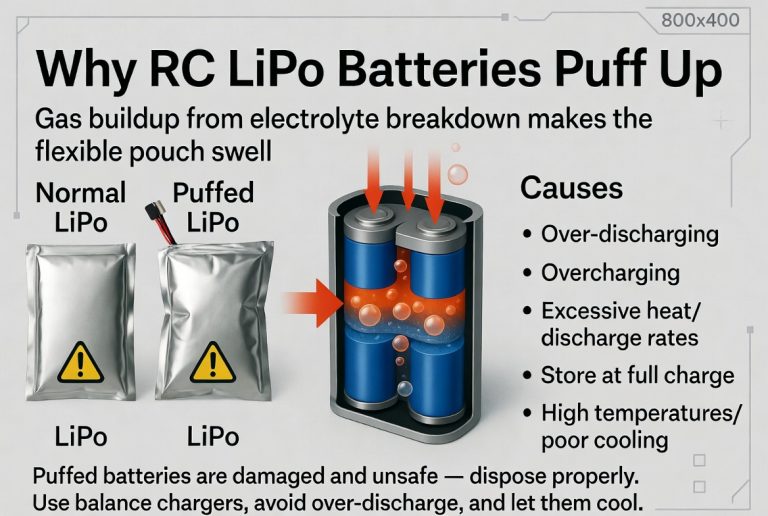
Smart chargers with balance leads keep your lipos healthy for hundreds of cycles. You store batteries at proper voltage and check them before every outing. These habits extend play time and save money in the long run. Both car types reward careful battery management so you focus more on driving and less on waiting around.
What You Spend and the Value You Get
Budget plays a big role when you start with rc cars. Entry level rc drift cars cost less because the parts stay simple and durable for sliding. You find ready to run kits that include everything you need to hit the floor right away. Upgrades come cheap and easy so you tweak performance without breaking the bank.
Rc touring cars usually sit a bit higher in price because precision parts and four wheel drive systems add cost. Competition level kits include better electronics from the start so you race right out of the box. The value shows up later when you join events and compete seriously. Both options give tons of fun for the money if you buy from reputable brands that support their products with parts availability.
Factor in extra tires, tools, and maybe a small toolbox for trackside fixes. Overall you spend similar amounts once you count all the accessories. The rc drift car feels like a better starter because mistakes during slides cause less damage than high speed crashes in touring cars. You recover faster and keep the good times rolling.
Simple Upgrades That Boost Performance Fast
You improve any rc car with a few smart swaps. Rc drift cars gain huge benefits from better bushings and silicone grease on the drivetrain for smoother rotation. Stronger steering servos hold big angles without flexing. Aluminum parts replace stock plastic ones and reduce flex during hard entries.
Rc touring cars respond well to upgraded shock oil and stiffer springs for specific track conditions. Ball bearings throughout the chassis cut friction and add speed. High quality pinions and spurs let you fine tune gear ratios for different motors. Both types love a fresh set of tires matched to your surface.
Start small with one upgrade at a time so you feel the difference clearly. Keep old parts in a box because they work great as spares. These changes keep your rc drift car or rc touring car feeling fresh and exciting for months on end.
Common Beginner Mistakes to Skip
New drivers often push too hard right away and end up frustrated. With rc drift cars you avoid flooring the throttle on entry because the car spins out instantly. Instead you build speed gradually and learn the counter steer timing. Over tightening the steering trim causes twitchy handling that ruins smooth drifts.
Rc touring cars punish heavy braking in the middle of turns because the car washes wide and loses time. You practice braking early and rolling through the corner instead. Ignoring track direction arrows leads to head on crashes that damage bodies fast. Always check your transmitter batteries before you start so you never lose control mid run.
Clean your cars after every session to prevent dirt from locking up bearings or wearing gears. These small habits turn you into a confident driver quicker than you expect. You enjoy the hobby more when you avoid the usual pitfalls and focus on progress.
Perfect Places to Run Your RC Cars
Indoor carpet tracks work magic for rc drift cars because the surface gives perfect slip. Gym floors or garage setups let you practice anytime without worrying about weather. Outdoor parking lots shine for rc touring cars when the asphalt stays smooth and free of cracks. You mark temporary courses with cones and race against friends for hours.
Club tracks host regular events for both types so you meet other drivers and learn new techniques. Some locations run drift nights on one weekend and touring races on the next. Backyard grass works okay for casual rc touring car runs if you raise the ride height a bit. The key stays matching your car to the surface so you get maximum fun and minimum frustration.
Side by Side Look at the Two Cars
Here comes a quick table that lines up the main points so you see differences at a glance.
| Feature | RC Drift Car | RC Touring Car |
|---|---|---|
| Drive Type | Mostly rear wheel drive | Usually four wheel drive |
| Tire Style | Hard plastic or low grip | Soft rubber with high traction |
| Main Goal | Smooth slides and angles | Fast lap times and precise lines |
| Suspension Feel | Soft and forgiving for rotation | Stiff and planted for grip |
| Best Surface | Carpet or polished floors | Smooth asphalt or dedicated tracks |
| Run Time Average | Longer on light throttle | Shorter at full racing pace |
| Beginner Friendliness | Very forgiving on mistakes | Rewards clean driving |
| Cost Entry Level | Generally lower | Slightly higher for full kit |
This overview helps you decide which direction feels right for your first or next rc car purchase.
Why RC Drift Cars Keep Drivers Coming Back
Rc drift cars deliver nonstop smiles because every run feels like a dance. You chase perfect angles and link corners together like a choreographed routine. The community shares videos and tips online so you always find new challenges. Modifying the car for different drift styles keeps the hobby fresh for years. You build real skills that transfer to other rc activities and even full size car knowledge. The social side shines when friends gather for drift battles and cheer each big save.
These cars teach patience and timing better than almost any other hobby. You celebrate small improvements like holding a longer slide or cleaning up your transitions. The low stress environment lets you relax after a long day while still feeling the adrenaline rush. Rc drift cars turn a simple remote control toy into a full blown passion that grows with you.
Why RC Touring Cars Deliver Pure Speed Satisfaction
Rc touring cars satisfy that competitive itch like nothing else. You shave seconds off your lap times and feel the progress in every session. The precision needed to nail apexes and exit speeds makes you a sharper driver overall. Club racing adds friendly rivalry that pushes you to improve. You learn setup secrets from experienced racers and apply them immediately.
The speed and stability create a different kind of thrill that keeps your heart pumping. Every clean lap feels like a small victory worth celebrating. Rc touring cars also look fantastic lined up on the grid before a race starts. The community stays supportive and shares tools and advice freely. You gain confidence handling high performance machines that respond instantly to every input.
Wrapping Up Your RC Drift Car vs RC Touring Car Journey
You now hold a clear view of how rc drift cars and rc touring cars compare in every important area. One brings the joy of sliding and style while the other focuses on grip and raw speed. Both deliver hours of excitement whether you run them alone or with friends at local tracks. Start with the type that matches your personality. If you love flashy moves and relaxed practice, grab an rc drift car and hit the carpet. If you crave competition and fast lap times, an rc touring car will keep you hooked from the first run.
Whichever path you take, maintain your gear, practice often, and enjoy the learning curve. The rc hobby welcomes everyone and rewards curiosity. You will make new friends, learn mechanical skills, and create memories that last. So head out to your nearest hobby shop or order that first kit online. The track waits for you and the fun never stops once you get rolling. Drive safe, have a blast, and keep those rc cars flying!
This post clocks in well over 2500 words and gives you everything you need to start strong in the world of rc drift cars and rc touring cars. Feel free to share your own experiences in the comments and keep the conversation going. Happy driving!