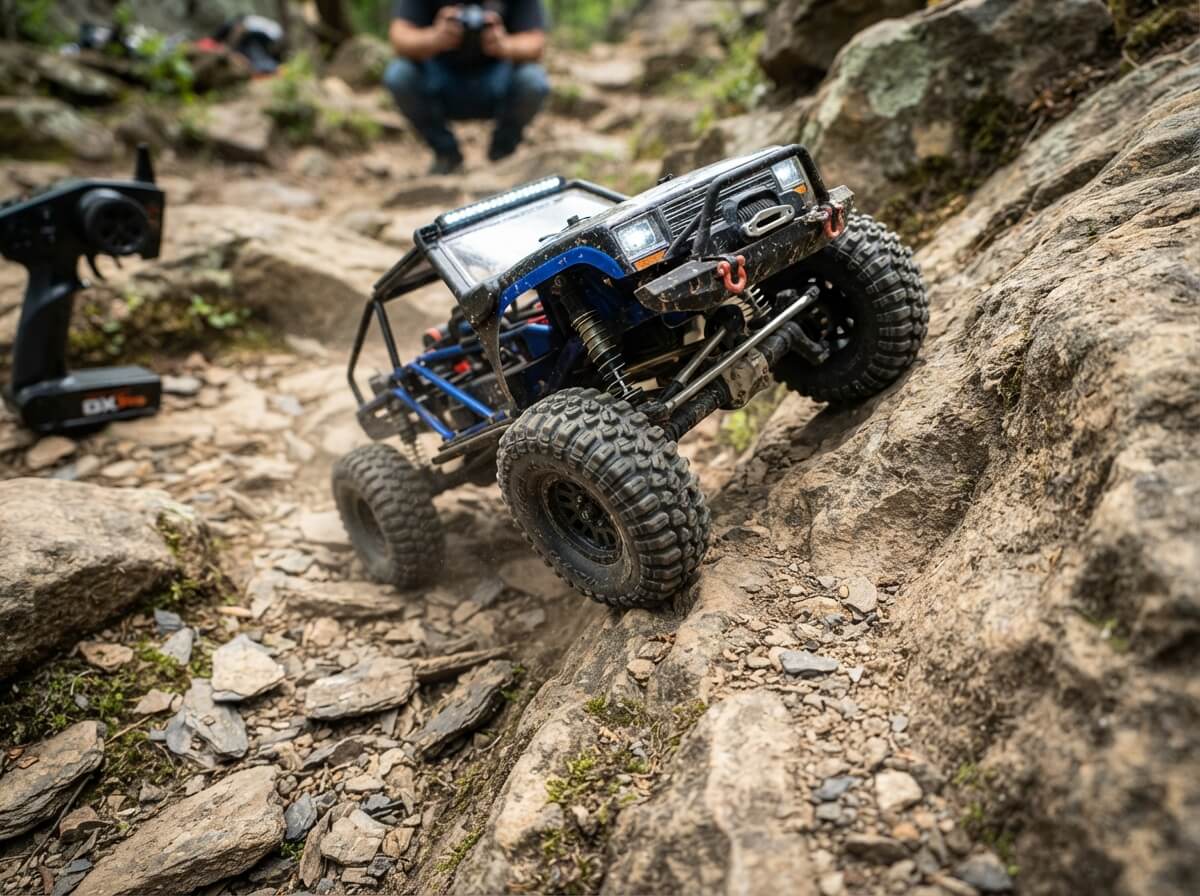
How to Make RC Rock Crawler Tires Sticky?
If you’re new to the world of RC rock crawlers, you’ve probably noticed that tire grip matters just as much as the truck itself. A sticky tire can mean the difference between crushing that rock garden and getting stuck halfway up a boulder. The good news? Making your RC rock crawler tires stickier is totally doable, and you don’t need advanced skills or expensive equipment to pull it off.
This guide walks you through everything you need to know about tire grip, from basic cleaning tricks to advanced stickiness techniques that pros use. Let’s get started.
Why Tire Grip Matters for Rock Crawlers
Your RC rock crawler sits on four tiny tires, and those rubber circles do all the heavy lifting. Literally. When you’re trying to climb over rocks or navigate tight terrain, sticky tires grip the surface better, giving you more traction and control.
Think of it like rock climbing. A climber wants sticky rubber climbing shoes to grip the rock. Your RC crawler feels the same way. Tires with poor grip slip and slide. Tires with excellent grip hold strong, allowing your truck to climb steeper angles and navigate rougher terrain with confidence.
The stickiness of your tires depends on several things. The rubber compound matters. The surface texture counts too. Dirt buildup, oils, and contaminants reduce grip. Temperature affects how soft and tacky the rubber becomes. All of these factors play a role in your overall traction and performance.
Clean Your Tires First
Here’s the thing: the best tire-sticking technique in the world won’t help if your tires are covered in dirt and oil. Cleaning is step one, and it’s non-negotiable.
Start by removing your wheels from your RC crawler. Grab a soft brush and gently scrub the tire surface. Use warm water to rinse away loose dirt and debris. For stubborn grime, soak your tires in warm soapy water for a few minutes. Then scrub again with your soft brush.
After rinsing clean, dry your tires completely with a clean cloth. Don’t skip this step. Water left on your tires interferes with grip-enhancing products and makes it harder for any stickiness treatments to work properly.
If your tires have thick, packed-on mud or clay, you might need to soak them longer. Some people let their tires sit in warm water for ten to fifteen minutes to loosen stubborn buildup. This works especially well if you’ve been running your crawler in real mud or clay terrain.
Pay attention to the tire treads and small grooves. Dirt loves to hide in those spaces. Use an old toothbrush to get into crevices and edges. The cleaner your tires are, the better any grip treatment will perform.
Try the Tire Glue Method
Tire glue is one of the most popular methods for increasing RC tire stickiness, and rock crawler enthusiasts swear by it. This technique works because the glue creates a tacky layer on the tire surface that grabs rock and terrain better.
You’ll need the right type of glue. Look for thin tire glue or tire cement designed for RC racing and crawling. These products are different from regular super glue. They’re formulated to create stickiness on rubber without damaging the tire compound.
To apply glue, start with clean, dry tires. Apply a thin, even coat across the entire tire surface. Use just enough to create a tacky feel—you don’t want glue pooling or running off. A light coat works better than a heavy one. Heavy glue application can flake off and doesn’t provide better grip.
Let the glue dry according to product instructions. Different brands have different drying times, so read your product carefully. Some glues dry in minutes. Others take longer. Don’t use your tires until they’re completely dry, or you’ll waste all your work.
After one coat dries, you can apply a second thin coat if you want extra stickiness. Two thin coats often work better than one thick coat. The key is building up stickiness gradually rather than dumping a ton of glue on at once.
Explore Tire Compound Options
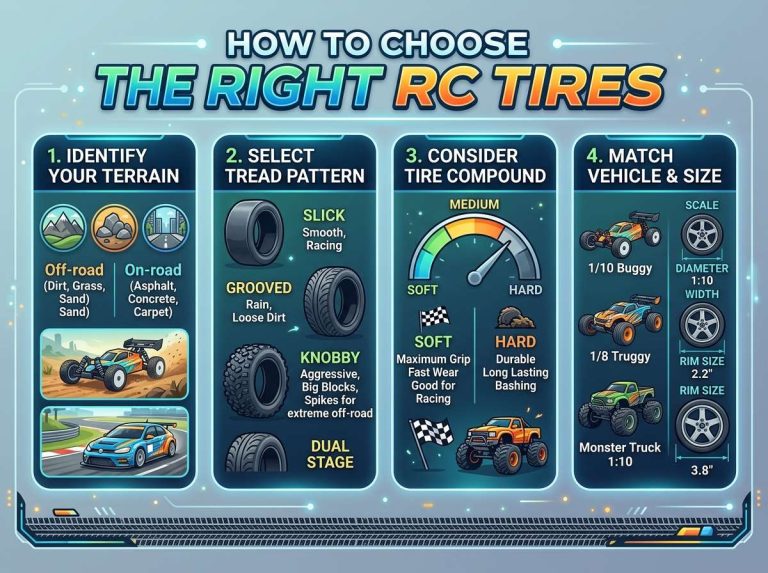
If you really want to boost your grip game, upgrading to stickier tire compounds makes a huge difference. Different tire brands and types have different rubber hardness levels. Softer compounds grip better but wear faster. Harder compounds last longer but provide less traction.
For rock crawling, soft to medium-soft compounds are ideal. They grip rocky surfaces like nothing else. When shopping for new tires, look for tires labeled as soft or ultra-soft. These are your best friends for maximum stickiness.
Rock crawler specific tires often come in different durometer ratings. Don’t let fancy words intimidate you. Just remember: lower numbers mean softer tires with better grip. Higher numbers mean harder tires with longer life. Find the balance that works for your style.
Some crawlers prefer tires designed for wet conditions. These wet-weather tires have rubber compounds that stay tacky even in challenging conditions. They grip rock beautifully and feel super sticky compared to standard all-terrain tires.
Pro tip: test new tires before committing to a full set. Buy one or two tires and run them through your favorite terrain. See how they feel. Do they give you better grip? Do they wear too fast? This hands-on testing helps you make smart choices.
Use Tire Warmers
Temperature seriously affects rubber stickiness. Cold tires feel hard and don’t grip as well. Warm tires feel soft and tacky. This is why tire warmers exist.
Tire warmers are electrical devices that heat your tires before you run. Some crawlers use heat lamps. Others use rubber sleeves that wrap around tires. Professional setups have fancy electronic warmers with temperature controls.
You don’t need fancy gear to warm your tires, though. Set your truck in direct sunlight for a few minutes before running. The sun naturally warms the rubber. This small step noticeably improves grip.
For serious hobby sessions, grab an inexpensive heat lamp or tire warmer from RC hobby shops. These tools heat your tires to the perfect temperature for stickiness without overheating the rubber. Warm tires grip so much better that you’ll wonder why you ever ran cold tires.
The warm tire advantage is temporary, though. As you run your crawler over rocks and terrain, your tires gradually cool down. Keep this in mind during long sessions. You might find yourself wanting to warm your tires again after running for a while.
Apply Tire Dressing Products
Tire dressing products are specially formulated treatments that increase stickiness and provide other benefits. These products typically come as liquids or gels that you apply to the tire surface.
Choose products made for RC tires, not full-size car tire dressing. Car products often have the wrong properties for small RC tires. Look for RC-specific tire treatments in hobby shops or online.
To apply tire dressing, clean your tires first. Then apply a thin, even coat using the applicator that comes with the product. Let it dry or set according to instructions. The result is noticeably stickier tires that grip much better.
Tire dressing products also protect your tires from UV damage and keep the rubber from drying out. This means your tires last longer and stay grippy for more sessions. It’s like sunscreen for your truck tires.
Reapply tire dressing regularly, especially if you run frequently. The treatment gradually wears off as you use your truck. A fresh coat every few weeks keeps your tires in peak condition.
Try the Rock Tumbler Method
Here’s a trick that might sound weird but actually works: using a rock tumbler to roughen your tire surface. A rough texture grips rock better than a smooth surface.
You don’t need a fancy rock tumbler, though commercial ones exist. Some crawlers use sandpaper to lightly roughen their tire surface. The goal is adding microscopic texture that bites into rock better.
To roughen your tires with sandpaper, use medium-grit paper and rub your tire surface gently. Don’t press hard or you’ll damage the tire. Light, circular motions work great. This creates a slightly textured surface that grips better than smooth rubber.
The rock tumbler method takes longer but produces excellent results. If you happen to have access to a tumbler, throwing your tires in for a quick run adds surface texture that seriously boosts grip. The tumbled surface stays grippy for quite a while, though it does gradually smooth out over time.
Clean Before Every Session
Make cleaning your tires part of your regular routine. Before each running session, give your tires a quick wipe with a clean cloth. Remove dirt, dust, and debris that accumulated since your last run.
This habit keeps your tires at peak grip performance. Dirty tires lose stickiness fast, no matter what treatments you’ve applied. A thirty-second wipe-down takes almost no time but makes a real difference in how your truck performs.
If you’ve been running in wet conditions, pay extra attention to cleaning. Wet dirt can cake onto tires and definitely reduces grip. Dry that mud off and your stickiness comes right back.
Avoid These Common Mistakes
Getting RC tire stickiness right takes some trial and error. Learning from others’ mistakes helps you avoid frustration. Here are the biggest errors crawlers make:
Don’t apply glue too thick. Heavy glue application looks impressive but doesn’t work better. Thin layers work great. If glue flakes off during running, you applied too much.
Don’t use tires that are too hard for rock crawling. They look cool but won’t grip properly. Soft compounds are your friend.
Don’t forget to warm your tires before judging their grip. Cold tires feel terrible. Warm them up before deciding if your stickiness treatments actually work.
Don’t apply tire treatments to dirty tires. The dirt prevents products from adhering properly. Always start with clean rubber.
Don’t ignore storage conditions. Store your tires away from direct sunlight when not using them. UV rays break down rubber compounds and reduce stickiness over time. A cool, dark storage area keeps your tires fresh.
Store Your Tires Right
How you store your tires between running sessions affects their stickiness and durability. Tires stored in hot, sunny places degrade faster. Tires stored in cool, dark places stay fresh longer.
Keep your tires indoors, away from windows. If you store them outside, cover them with a tarp or blanket to block sunlight. Temperature swings between hot days and cold nights can damage rubber compounds.
Avoid stacking tires or putting heavy things on top of them. This can cause flat spots or warping. Store them in a way that lets air circulate around them.
If you’re storing tires for extended periods, consider applying a light coat of tire dressing. This helps keep the rubber from drying out. Even tires sitting in storage benefit from this protective treatment.
Test Your Grip
After applying stickiness treatments, take your crawler out and test it. Run through your normal terrain and notice how it grips. Does your truck climb better? Does it feel more stable on rocks? These real-world tests tell you if your stickiness treatments actually worked.
Different terrain types reveal different results. Try rocky areas, sandy spots, and smooth terrain. Notice how your truck handles each environment. The best stickiness treatments improve grip across all terrain types.
Take notes on what works best for you. Track which glues, tire compounds, and products give you the results you want. This personal data becomes valuable as you refine your setup over time.
The Bottom Line
Making your RC rock crawler tires sticky doesn’t require rocket science or expensive special equipment. Start with clean tires, try tire glue for a quick boost, and experiment with different compounds and treatments. Warm your tires before running and maintain them between sessions.
The best setup for your crawler might differ from someone else’s best setup. What matters is testing various methods and finding what works for your style and terrain. Start simple, try one technique at a time, and build from there.
Your tires are the connection between your truck and the rocks beneath it. Keep them clean, keep them fresh, and keep them sticky. Do that, and you’ll climb like a pro. Now get out there and shred some terrain.