5 Best RC Airplane Simulator In 2026
As an Amazon Associate we earn from qualifying purchases.
Picking the best RC airplane simulator can feel confusing at first. Many products claim to teach flying, but they work in very different ways. This guide helps beginners who want to practice radio-controlled flight on a computer before flying a real model in the air.
The five products below share a common purpose: they let you practice flying a virtual model airplane. Some focus on training tasks like takeoffs and landings, while others offer realistic physics or connect to a transmitter. This comparison rests on the listed features and typical use of each product, not on personal testing.
Before you compare options, it helps to know what you want from practice. A beginner who only wants to learn the basic controls has different needs from a pilot who plans to fly a heavier model later. Keep that goal in mind as you read each section.



1. Airplane Flight Simulator RC: best for simple training missions
What this product is and who it suits
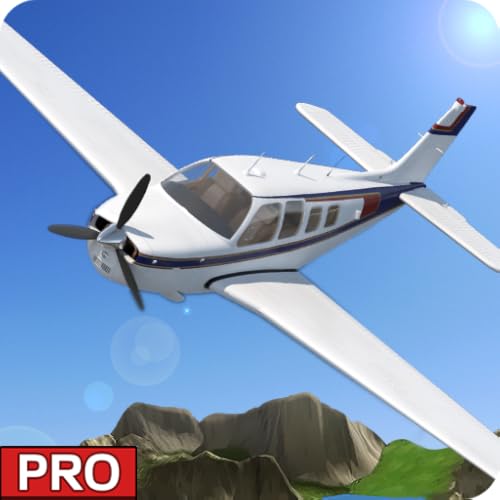
Airplane Flight Simulator RC is a basic mission-based simulator from i6 Games. It suits complete beginners who want a light, easy way to start practicing. The listed price is $0.00, so it is a low-risk option to try first.
Because it is built around missions, it works well for someone who likes clear goals. You always know what the next task is. That structure can make early sessions feel more purposeful than open-ended flying.
Key features in simple terms
The product includes a set of training tasks. You can practice taking off and landing on a runway. It also offers an emergency landing on water and flying through a storm.
Other tasks include towing a banner for advertising, racing a helicopter, and collecting water to put out fires. These missions add variety to the basic flight practice. Each one asks you to combine control skills, such as steady turns and altitude changes, in a specific setting.
Real-life use and daily feel
Most buyers of a simple mission simulator spend their time on repeated takeoffs and landings. Because the tasks are short, sessions are easy to fit into a free evening. The missions give a clear goal, which helps keep practice focused.
A practical approach is to repeat one mission until it feels routine before moving to the next. Short, regular sessions usually build control faster than long, occasional ones. Treat the missions as a warm-up for the skills you will need in the air.
Performance and ease of use
The product is aimed at getting started quickly. Its controls are meant to be approachable for someone with no flying background. Detailed realism is not the main focus, so it works best as an introduction.
If you later move to a more realistic simulator, the basic habits you build here, such as smooth stick inputs and checking your altitude, still carry over. The main limit is that it will not reproduce the subtle feel of a real model in wind.
Value for money
At $0.00, the value question is simple. It gives a no-cost way to learn the basics of control. Expectations should stay modest, since the product is a light introduction rather than a deep simulator.
Think of it as a low-cost test of if you enjoy simulated flight at all. If you find yourself wanting more realism or more aircraft choices, that is useful information for deciding on a paid option later.
Pros
- No cost to try the basic training tasks
- Clear missions for takeoffs, landings and emergency practice
- Easy to start for complete beginners
Cons
- Lighter on realism than dedicated flight simulators
- Limited depth once the missions are learned
- Customer standing is moderate, so set expectations accordingly
2. Airplane RC PRO Flight Simulator: best for budget mission practice
What this product is and who it suits
Airplane RC PRO Flight Simulator, from MH Production, shares the same listed mission set as the first product. It suits beginners who want similar training tasks at a very low price. The listed price is $1.28.
Because the price is so low, it works well for people who are unsure if simulator practice suits them. You can try a set of missions before deciding to spend more on a larger simulator.
Key features in simple terms
The features include takeoff and landing practice on a runway. They also include water landings, flying through a storm, banner towing, helicopter racing and firefighting with water drops. These tasks cover a broad range of basic skills.
Each mission asks you to apply a specific skill. A takeoff task builds throttle control, while a landing task builds patience and timing. A banner-towing task asks you to keep a steady path while managing a longer load behind the plane.
How practice usually feels
Because the mission list matches the first product, the practice style will feel similar. Buyers often use the tasks as short drills. Repeating them builds comfort with the controls over time.
A short session of one or two missions is often enough to notice progress. Many beginners find that returning to the same task a few times makes it feel much more natural.
Performance and ease of use
The product is designed to be accessible to newcomers. Its tasks are straightforward, so the learning curve is gentle. Visual and physics detail should be judged against its low price.
Simple goals make it easy to know when you have succeeded. This clear feedback helps beginners stay motivated while they learn the basic handling of a model plane.
Value for money
At $1.28, it is one of the lowest-cost options in this list. For someone who wants to see if simulator practice suits them, the price is easy to accept. Heavier users may later want a more detailed simulator.
The main trade-off is depth. A low-cost mission game gives you a set of tasks, but it does not offer the wide choice of aircraft or the detailed physics that some dedicated simulators provide.
Pros
- Very low price for a set of varied training tasks
- Covers takeoffs, landings, water practice and firefighting drills
- Gentle learning curve for complete beginners
Cons
- Feature list matches the first product, so variety is limited
- Realism is light compared with dedicated flight simulators
- Customer standing is moderate, so the experience may vary
3. RC-AirSim – Model Airplane Flight Simulator: best for realistic flight physics
What this product is and who it suits
RC-AirSim is a model airplane simulator from Fabricated Reality. It suits beginners who want a more realistic feel than a basic mission game. The listed price is $4.99.
It is a good fit for someone who has tried a simple game and wants the flying to feel closer to a real model plane. Expect a step up in challenge compared with the mission-based options.
Key features in simple terms
The product uses flight behavior described as based on NASA flight simulation technology. Physics, in simple terms, means how objects move and react under forces like lift and gravity. Here, the model planes are meant to respond in a believable way.
It includes nine model airplanes, such as an F-15 fighter jet, a WWI biplane, a glider, an electric parkflyer, aerobatic planes and a trainer. You can choose among three camera views: the R/C view, a chase camera that follows the plane, and an onboard first-person view. The product also says that crashes break planes apart in a physics-based way, and that you fly around field objects rather than a flat background picture.
Real-life use and daily feel
Because there are several aircraft and camera views, sessions can feel varied. Many buyers switch between the trainer and a faster plane to compare handling. Crashes that show realistic damage can also make mistakes easier to understand.
A common approach is to start each session with the trainer, then move to a more demanding plane once the basic turns and landings feel steady. Switching camera views during a flight can also show how the plane behaves from different angles.
Performance and ease of use
The simulator aims for realism, so flying may take more patience than a simple mission game. A trainer-style plane gives a gentler start. Learning to read the camera views takes a little time, but each view has a clear purpose.
The R/C view mirrors how a pilot on the ground would see the plane, which helps with orientation. The onboard view is more immersive but can make it harder to judge distance, so it often suits later practice better.
Value for money
At $4.99, the price is modest for the range of aircraft and views listed. It offers more depth than the mission-only options in this list. Buyers who want a simple game may find the extra detail more than they need.
If you plan to practice regularly, the variety of planes and views helps the purchase last longer. If you only want a few quick drills, a mission-based product may cover your needs at a lower cost.
Pros
- Nine aircraft types give plenty of variety
- Three camera views suit different practice styles
- Physics-based crashes make mistakes easier to learn from
- Fire TV support is listed as a feature
Cons
- More realistic flying can be harder for absolute beginners
- Advanced planes may feel challenging at first
- Customer standing is moderate, so check current feedback before buying
4. GoolRC Flysky SM100 USB RC Helicopter Airplane Simulator: best for transmitter connection
What this product is and who it suits
The GoolRC Flysky SM100 is a USB interface that links a real radio transmitter to a computer simulator. It suits people who already own, or plan to buy, a compatible Flysky transmitter. The listed price is $15.49.
The product is aimed at hobbyists who want to practice with the same handheld controller they use on real models. If you only want to fly on a screen with a mouse or keyboard, a software-only simulator may be a simpler starting point.
Key features in simple terms
A transmitter is the handheld radio controller that flies a real model. This product passes the signals from that controller to the PC, using a PPM signal, which is a common control signal format. It lists 4 to 8 channels, where each channel controls one function, such as the rudder or throttle.
The product says it supports Esky, Futaba, JR and FS simulator software, and several Flysky transmitter models. It also lists FMS simulator support. This makes it a bridge rather than a simulator on its own, so you still need a simulator program installed on your computer.
Because the channel count is listed as a range, it is worth checking that your transmitter’s channel setup fits within what the interface supports. Matching the channels to the functions you use most can make early practice easier.
Real-life use and daily feel
Using a real transmitter can feel closer to flying a real model. Many buyers find the hand movements transfer well to the field. Stick positions, switches and trims all sit where they would on a real flying session.
The experience still differs from a real flight. You will not feel wind or vibration, so the link is best used for building control habits rather than replacing time in the air.
Performance and ease of use
Setup takes more steps than a software-only simulator. You need to match the interface to your transmitter model and install the right simulator software. Reading the included instructions carefully helps avoid confusion.
Once the connection is working, the day-to-day use is simple. Most of the effort goes into the first setup, and after that you can focus on flying practice.
Value for money
At $15.49, the price is low for a hardware link. It makes most sense if you already have a compatible transmitter. Without one, the product does not do much on its own.
If you do not own a Flysky transmitter, the total cost of a usable setup will be much higher. Checking your transmitter model before you buy is the most important step in deciding if this product is worth it for you.
Pros
- Lets you practice with the same kind of transmitter used on real models
- Supports several popular simulator programs
- Low price for a hardware connection
Cons
- Requires a compatible Flysky transmitter to be useful
- Setup is more involved for complete beginners
- Customer standing is moderate, so check compatibility details first
5. DAGIJIRD RC Airplane USB Flight Simulator 30 in 1: best for multiple simulator software
What this product is and who it suits
The DAGIJIRD RC Airplane USB Flight Simulator 30 in 1 is a bundle that comes with a USB cable set. It suits buyers who want to use several popular simulator programs with one kit. The listed price is $17.99.
The kit is designed for people who like to try different flying environments and models. If you prefer to focus on one program and learn it deeply, you may not need the range of options this bundle offers.
Key features in simple terms
The product is described as a 30-in-1 simulator with a standard USB interface. It lists support for several programs, including RealFlight G7, Aerofly, FMS, PhoenixRC, VRC, FreeRider, HotProps and LiftOff. It also says it works for RC helicopters, quadcopters, airplanes and FPV flying.
The listed Windows support covers XP, Windows 7 in 32-bit and 64-bit, Windows 8 and Vista. Because the software list is long, it is worth checking each program’s needs before buying. Cables are included, which helps with the physical connection.
FPV stands for first-person view, a style of flying where you see what the model’s camera sees. Some programs in the list focus on this style, so it helps to decide which flying type interests you most.
Real-life use and daily feel
With many programs in one kit, buyers can try different simulators without buying extra hardware. Switching between programs can feel like exploring new environments. Some programs may suit airplanes better than others.
Trying several programs can also show you which one you enjoy most. That makes it easier to spend time on the software that fits your goals, rather than guessing from a list.
Performance and ease of use
Setup depends on your computer and the software you pick. Older Windows versions are listed, which may suit older machines. Beginners should start with one program and learn its settings before trying the rest.
Keeping a simple routine, such as using the same program for a week before switching, can reduce confusion. This approach also helps you notice which controls and settings you need to adjust most often.
Value for money
At $17.99, the price covers a large software collection plus cables. The value is strongest for people who want variety. A buyer who only wants one program may not need this many options.
Compared with buying several simulator programs separately, a bundle like this can be a practical choice. Still, the real value depends on if you will use more than a few of the programs.
Pros
- Large collection of simulator programs in one kit
- Includes cables for the physical connection
- Works for airplanes, helicopters, quadcopters and FPV
Cons
- Setup can be confusing when many programs are involved
- Not every program may suit beginners equally well
- Customer standing is moderate, so review compatibility before buying
Comparison insights: how these RC airplane simulators differ
The five products split into three groups. Two are simple mission games, one is a more realistic model airplane simulator, and two connect to real hardware or multiple programs. Each group serves a different kind of beginner. Some people want a quick, fun start, while others want practice that feels closer to flying a real model.
For performance, RC-AirSim stands out for its physics and aircraft variety. The mission games focus on basic tasks rather than deep realism, so they feel lighter but also run more simply. The hardware and bundle options depend on the software they run, so their performance follows the program behind them.
For ease of use, the two mission games are the simplest to start. They guide you through short goals, which helps you learn the controls without much setup. RC-AirSim is approachable with a trainer plane but asks for more patience, since its flight model takes time to master. The Flysky interface and the 30-in-1 bundle need more setup steps, such as installing drivers and matching controls before you can fly.
For value for money, the two mission games are the lowest-cost entry points. They work well if you only want to see if RC flying suits you. RC-AirSim offers more depth at a modest price, which makes it a sensible middle choice.
The hardware and bundle options cost more but add connection or software variety, so they make the most sense when you already plan to use a real transmitter or want several programs in one package.
Buying guide: key factors explained in plain words
Start with your goal. Ask yourself if you want a fun introduction, a realistic feel, or a bridge to a real transmitter. Your answer points you to the right kind of product. A casual player and a future model pilot will often need very different tools.
Realism and physics
Realism describes how closely the simulator copies real flight. Physics means the rules that move the plane, such as lift, drag, gravity, and wind. A plane that stalls when it slows down too much teaches you something real. More realism usually means more practice time before flying feels natural, but it also gives you skills that carry over to a real model.
Aircraft and camera views
Some simulators offer several planes, while others focus on one or two. A variety of aircraft lets you learn how different wing shapes and weights respond to your inputs. Camera views change how you see the flight. A chase view follows the plane from behind, which is easier for beginners. An onboard view shows the flight from the cockpit, which feels closer to flying in person.
Hardware connection
A USB interface links a real transmitter to your computer. This lets your hand movements match a real model, so the controls feel familiar when you move to a real plane. You need a compatible transmitter and the right software before this works well. Check the product details to confirm which transmitters are supported before you buy.
Computer and software needs
Simulators run on a computer, so check the listed Windows versions and the minimum processor and graphics requirements. Some programs need more power than others, and a slow machine can make flight feel choppy. Reading the software requirements before buying avoids surprises and wasted money.
Budget
Prices in this list range from very low to modest. A low price is useful for testing your interest before you commit. Spend more only when you need the extra depth, a wider range of aircraft, or hardware that connects to a real transmitter.
Who should buy these products: matching each buyer to a simulator
Each product suits a different kind of beginner. The right choice depends on your budget, your goal and the equipment you already own. The notes below describe typical matches, so use them as a starting point rather than a strict rule.
Complete beginner on a tight budget
The first product, Airplane Flight Simulator RC, suits someone who wants a free start. Its training missions are easy to pick up, and they guide you through the basic controls one step at a time. It works well as a first step before spending money on anything else.
Beginner who wants a low-cost mission set
The second product, Airplane RC PRO Flight Simulator, suits someone who wants similar missions at a very low price. Its tasks cover the same basic skills as the first product, such as takeoff, steady turns and landing. If you enjoy the first game and want a few more missions, this one is a sensible next step.
Beginner who wants realistic flying and variety
RC-AirSim suits someone who wants a more realistic feel. Nine aircraft and three camera views give plenty to explore, and switching views can help you judge distance and height. Patience will help during the early sessions, because realistic flight takes longer to learn than a simple mission game.
Owner of a compatible Flysky transmitter
The GoolRC Flysky SM100 suits someone who already owns a supported transmitter. It lets you practice with the same kind of controller used on real models, so the stick movements feel familiar. It is a poor fit for anyone without that transmitter, because the hardware link is the main reason to buy it.
Buyer who wants many simulator programs
The DAGIJIRD 30-in-1 kit suits someone who wants to try several programs. It includes cables and a long software list, so you can compare different styles of flying in one purchase. It works best for buyers willing to set up more than one program, since each one may need its own configuration steps.
Final verdict: which RC airplane simulator to choose
No single product is the right answer for everyone. For a free or very cheap start, the two mission games are the simplest options, and they let you test your interest with little risk. For realistic flight and variety, RC-AirSim offers the most depth in this list.
If you already own a compatible transmitter, the Flysky interface can add real-world feel to your practice. If you want many programs in one kit, the DAGIJIRD bundle covers that need. In short, match the product to your goal, equipment and budget, and start with the option that asks the least of you.
Frequently Asked Questions about RC airplane simulators
Do I need a real RC transmitter to use these simulators?
No. Several products work with a keyboard, mouse or game controller. A transmitter is only needed for the hardware link options, so check the product details before you buy.
Are these simulators good for absolute beginners?
The two mission games are the easiest to start, because they teach controls in small steps. RC-AirSim suits beginners who are ready for more realistic flying. Hardware options usually need more setup time before the first flight.
What does physics mean in a flight simulator?
Physics describes the rules that move the plane, such as lift, drag and gravity. Better physics usually makes the flying feel more like a real model, especially during turns, climbs and landings.
Which simulator is the cheapest to try?
The first product lists a price of $0.00. The second product lists a price of $1.28. Both are low-cost ways to test your interest before you commit to a larger purchase.
Can a simulator replace real flying practice?
A simulator can build control skills and confidence before flying a real model. It does not replace flying outdoors with a real plane, which still teaches things a computer cannot show, such as how the aircraft feels in the air.
Does a simulator also prepare me for real wind and weather?
Simulators can show how a plane reacts to storms or crosswinds in a simple way. Real wind is more varied, though, and it changes quickly. Practice on the simulator helps, but outdoor flying with an experienced helper still matters.

Peterson is an RC hobby enthusiast and product reviewer with a passion for remote-controlled cars, trucks, boats, drones, and accessories. He enjoys testing the latest RC products, comparing features, and sharing practical buying guides to help beginners and experienced hobbyists make informed decisions. Through RCThing.com, Peterson provides honest reviews, maintenance tips, and expert advice to help readers get the most from their RC adventures.