Aluminum Vs Plastic Rc Parts
Aluminum vs plastic rc parts is a common dilemma for remote control hobbyists. This guide explains how each material performs, how they impact your vehicle’s handling, and when to upgrade. You will learn the primary benefits and drawbacks of both materials to help you decide which parts are right for your specific driving style. By the end of this article, you will know how to balance durability with performance on the track or in the backyard.
Key Takeaways
- Plastic parts offer flexibility that helps absorb energy during impacts and crashes.
- Aluminum parts provide increased rigidity and precision for better steering response.
- Mixing materials often works better than replacing every plastic part with metal.
- Plastic is generally more affordable and easier to replace after heavy wear.
The Basics of RC Material Construction
Most remote control vehicles arrive from the factory with a high percentage of plastic components. Manufacturers rely on composite plastics because they are lightweight, cost-effective, and versatile. These materials allow the vehicle to endure the stresses of regular driving without adding unnecessary weight. When beginners look at upgrade parts, aluminum is usually the first alternative they see. These metal components aim to replace standard plastic pieces with something that feels sturdier and looks more professional. Each material serves a specific purpose in the overall design of the vehicle.
Why Manufacturers Use Plastic
Plastic is not just a cheap substitute for metal in the world of remote control vehicles. Engineers select specific types of nylon or fiber-reinforced plastic for their ability to withstand repeated vibration. This material has a natural ability to bend and return to its original shape. This flexibility is a major advantage for someone learning to drive. When a vehicle hits a curb or a wall, the plastic parts flex to dissipate the force of the impact. This helps protect more expensive internal components like the chassis or the transmission gears.
The Role of Aluminum in Upgrades
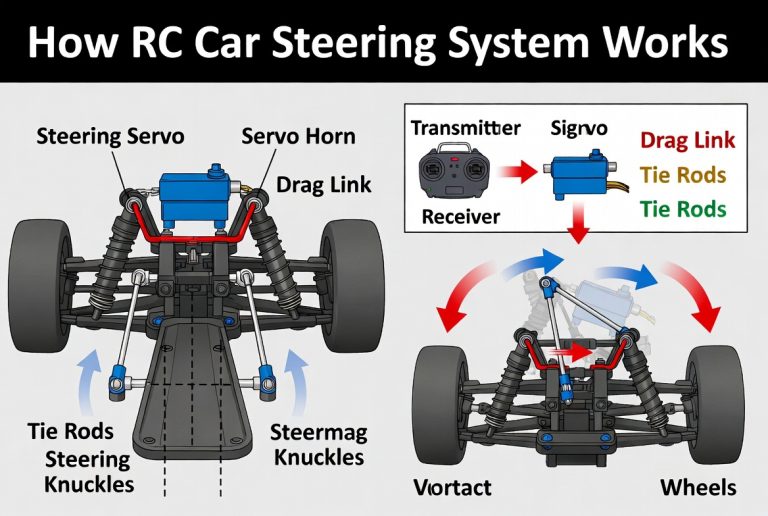
Aluminum upgrades serve a different goal than the original factory parts. These components are machined from solid blocks of metal to provide extreme rigidity. They do not flex under pressure, which changes how the vehicle handles on the ground. Hobbyists often turn to aluminum for parts that require high precision, such as steering knuckles or shock towers. By reducing play in the suspension and steering system, these parts give the driver more direct control. The vehicle feels more responsive and predictable during high-speed maneuvers.
Comparing Durability and Impact Resistance
Durability is a complex subject because it depends on the type of driving. Plastic parts are often considered more durable in high-impact situations because they can bend. They are less likely to snap or bend permanently when the vehicle takes a hard landing. Aluminum is stronger in terms of tensile strength, but it lacks the memory to return to its shape after a massive hit. If a heavy metal part sustains a significant crash, it may bend or warp. Once an aluminum part is bent, it is often impossible to repair and requires a full replacement.
How Plastic Flexes to Absorb Energy
Think of plastic as a shock absorber for the entire vehicle structure. When the car hits an object, the energy travels through the suspension arms and into the chassis. Plastic components soak up a portion of that energy through minor deformation. This process saves the rest of the car from taking the full brunt of the hit. If the plastic part breaks, it is usually inexpensive and simple to swap out. Many hobbyists view plastic parts as a “fuse” that protects the more vital, expensive parts of the vehicle.
Why Aluminum Can Transfer Force
Because aluminum is rigid, it does not absorb impact energy. Instead, it transfers that force directly to the next component in the chain. This can lead to a phenomenon where the car feels stronger, but hidden parts sustain more damage. For example, if you install aluminum suspension arms, the impact force might travel into the chassis instead of breaking the arm. A broken plastic arm is a cheap fix, but a cracked or bent chassis is a major repair. This is why many experienced drivers prefer to keep certain areas of the vehicle in plastic.
Performance Differences on the Track
Precision is the main reason racers prefer aluminum over plastic. On a smooth track, you want the wheels to stay exactly where you set them. Plastic parts can have slight gaps or “slop,” which allows the wheels to wiggle under load. Aluminum parts eliminate this movement. When you turn the steering wheel, the metal parts transfer that input to the tires without any delay. This makes the vehicle feel sharper and more connected to the driver’s inputs.
Weight and Center of Gravity
Weight is a critical factor in how an RC car performs. Aluminum is significantly heavier than plastic, which adds mass to the vehicle. While some weight can improve traction, too much weight will slow down the car and increase strain on the motor. Adding metal parts to the suspension also increases “unsprung weight.” This is the weight that is not supported by the springs. High unsprung weight makes it harder for the suspension to react to bumps in the track. This can lead to a bouncy ride and reduced grip over rough terrain.
Precision and Steering Response
Steering is where the difference between materials is most noticeable. If you use plastic steering blocks, the wheels might toe in or out slightly when you corner hard. This results in a vague feeling at the steering wheel. Aluminum components lock the steering geometry in place. You will notice that the car tracks straighter and responds faster to small adjustments. For competitive racing, this level of accuracy is highly desirable. For casual backyard driving, this difference may be less noticeable.
Maintenance and Repair Considerations
Maintaining an RC vehicle involves regular cleaning and checking for loose screws. Metal parts often require more attention than plastic ones. Aluminum components can vibrate loose over time, especially when they are screwed into other metal parts. You should use thread locker on any metal-to-metal screws to prevent them from backing out during a run. Plastic parts are usually self-tapping, meaning the screw cuts its own thread into the plastic. This creates a tight fit that rarely requires additional locking agents.
Cost Factors for Beginners
Budget is a major consideration for anyone starting in the hobby. Plastic parts are generally affordable and widely available. You can keep a spare set of arms and towers on hand without spending much money. Aluminum parts are an investment. They often cost two or three times as much as their plastic counterparts. Before spending money on metal upgrades, ensure that you have mastered the basics of driving. It is common to see beginners upgrade to aluminum only to damage their new parts quickly.
When to Mix Materials
The best approach is often a hybrid of both materials. You can upgrade high-stress areas to aluminum while keeping impact-prone areas in plastic. This gives you the precision you need without sacrificing the protective benefits of plastic. For instance, many drivers upgrade the steering bellcranks to aluminum for better control. At the same time, they leave the lower suspension arms in plastic to handle the abuse of jumps and crashes. This balanced setup provides the best of both worlds.
Frequently Asked Questions
Should I replace all my plastic parts with aluminum?
It is rarely a good idea to replace every plastic part with aluminum. Doing so makes the vehicle heavy, prone to bending during crashes, and expensive to repair. Only upgrade the parts that need more precision for your specific driving style.
Does aluminum make my RC car faster?
Aluminum does not increase the speed of your motor or battery. However, it can make the car feel faster by improving handling and steering response. The extra weight of metal parts can actually decrease acceleration if you add too much.
Is plastic better for bashing and jumping?
Yes, plastic is usually better for bashing and jumping. Its ability to flex allows the vehicle to survive hard landings that would likely bend or break metal components. Plastic is the preferred choice for rough terrain and high-impact driving.
Can I use thread lock on metal parts?
You should use a small amount of thread locker on any screw going into metal. This prevents the vibration of the motor and tires from loosening the fasteners. Be careful not to use too much, as it can make removal difficult later.
Do aluminum parts require more maintenance?
Yes, aluminum parts require more frequent checks. Because metal does not grip screws as naturally as plastic, you must regularly inspect the vehicle for loose fasteners. You also need to clean metal parts to prevent oxidation or dirt buildup in the joints.
Finding the Right Balance for Your RC Vehicle
Picking between aluminum vs plastic rc parts is about matching the material to the job. Plastic provides the flexibility and cost-effectiveness that most drivers need for daily use. It acts as a shield for the rest of your vehicle during accidents. Aluminum offers the precision and rigidity that help when you want to refine your driving performance. It is a great choice for specific parts that influence steering and suspension geometry. By mixing these materials, you create a vehicle that is both durable and responsive. Start by driving your vehicle in its factory configuration to learn how it handles. When you identify a specific weakness or a part that feels sloppy, consider an aluminum upgrade for that single area. This methodical approach saves money and helps you build a custom machine that fits your needs.

Peterson is an RC hobby enthusiast and product reviewer with a passion for remote-controlled cars, trucks, boats, drones, and accessories. He enjoys testing the latest RC products, comparing features, and sharing practical buying guides to help beginners and experienced hobbyists make informed decisions. Through RCThing.com, Peterson provides honest reviews, maintenance tips, and expert advice to help readers get the most from their RC adventures.