2.4ghz Rc System Explained
A 2.4GHz RC system explained is essential for anyone starting in the world of remote-controlled cars, planes, or boats. These radio systems allow users to control their models wirelessly with high precision and minimal signal loss. This guide covers the technical basics of radio control technology in simple terms. Readers will gain a clear look at how these devices communicate, how to maintain a stable connection, and why modern digital signals changed the hobby for the better.
Key Takeaways
- The 2.4GHz frequency band provides a stable, interference-free connection for remote control models.
- Digital binding ensures that a transmitter only talks to its paired receiver, allowing many people to play at once.
- These systems automatically scan for open channels to prevent signal conflicts during operation.
- Modern digital radios are more reliable and have better range than older analog systems that used crystals.
How a 2.4GHz RC System Works
Remote control models rely on radio waves to send commands from the operator to the vehicle. A 2.4GHz system operates in the microwave frequency range, which is similar to household Wi-Fi signals. This high frequency allows for rapid data transmission and compact antenna designs. The system converts physical movements on the transmitter sticks or triggers into digital data packets. These packets travel through the air to the receiver unit hidden inside the model. The receiver then translates this data back into electrical signals for the servos and motor controllers.
The Role of Frequency and Channels
Frequency refers to the specific radio wave band used for communication. In the past, hobbyists used specific plug-in crystals to set their radio channel, which often led to conflicts if two people used the same frequency. 2.4GHz systems solve this by using a wide band rather than a single fixed channel. The system constantly shifts between different frequencies within the 2.4GHz band to find the cleanest path. This process is known as frequency hopping. Because the system switches channels hundreds of times per second, it effectively avoids interference from other electronic devices or nearby operators.
Digital Signal Binding and Security
Binding is the process of electronically pairing a transmitter to a specific receiver. Each transmitter has a unique identification code that it broadcasts alongside the control signals. The receiver learns this code during the initial setup and ignores any signals that do not match. This security feature prevents other radio systems from taking control of a vehicle. Even if ten people are driving cars at the same location, the digital handshake keeps each signal private. As a result, users do not need to worry about someone else accidentally steering their model.
Advantages Over Older Analog Systems
Older RC systems relied on analog radio waves. These systems were prone to interference from power lines, other radios, and physical obstacles. If two people turned on radios on the same frequency, the models would often glitch or act erratically. Modern 2.4GHz radios provide a much smoother experience. The digital nature of the signal allows for error correction, meaning the system can ignore corrupted data packets. This makes the connection feel more responsive and predictable during high-speed maneuvers.
Improved Range and Reliability
Reliability is the primary benefit of moving to 2.4GHz technology. Because these systems use low-power, high-frequency signals, they penetrate environments effectively. The range is typically more than sufficient for line-of-sight operation, meaning the user can see the model long before the signal drops. The shorter antenna length is another practical advantage. Older systems required long, telescopic metal antennas that were prone to snapping. Modern 2.4GHz antennas are short, flexible, and often hidden inside the body of the car or plane, which improves the aesthetic and durability of the model.
Freedom from Interference
Interference was a common issue when radio control relied on fixed frequencies. If a user arrived at a park and someone else was already using their frequency, the new user could not fly or drive safely. The 2.4GHz system removes this barrier entirely. The automated channel scanning happens in a fraction of a second when the user turns on the radio. It looks for the quietest parts of the spectrum and anchors the connection there. This means multiple users can gather in one place without coordinating frequencies or checking frequency boards.
Components of a Standard Radio System
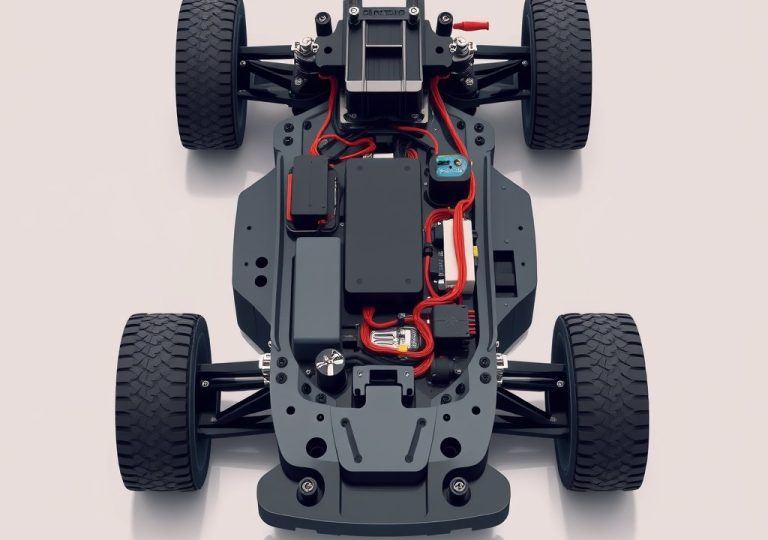
A standard radio control setup consists of two main parts: the transmitter and the receiver. The transmitter is the handheld device with sticks, knobs, and buttons. The receiver is the small circuit board mounted inside the model. Both components require a power source, usually provided by batteries. The transmitter is powered by the radio’s battery tray, while the receiver usually draws power from the model’s main battery through a device called an electronic speed controller.
The Transmitter Explained
The transmitter acts as the command center for the operator. It translates the movement of the steering wheel or throttle trigger into a digital code. This code is then sent out via the antenna to the receiver. Most modern transmitters feature digital trims and settings. Trims allow the user to make fine adjustments to the steering or throttle neutral point. If a car pulls to the left, a small adjustment on the transmitter corrects the path without needing to touch the steering linkage physically.
The Receiver and Servos
The receiver is the brain inside the model. It receives the digital instructions and sends pulses to the servos. A servo is a small motor that rotates to a specific position based on the signal it receives. In a car, one servo typically controls the steering, while the speed controller manages the motor’s power. The receiver acts as the bridge that ensures these components receive the correct commands. It also includes a fail-safe feature that returns the model to a neutral state if the signal is ever lost.
How to Bind Your Transmitter and Receiver
Binding is a simple process, but it must be done correctly for the system to work. First, ensure both the transmitter and receiver have fresh batteries. Turn on the receiver and look for a small button labeled “Bind” or “Setup.” Press and hold this button until an LED on the receiver begins to blink, which indicates it is in pairing mode. Then, turn on the transmitter while holding its own bind button. The lights on both units will usually turn solid once they successfully recognize each other. Once the lights are solid, power off both units and turn them back on. They should now connect automatically without needing to repeat the process. If they fail to connect, check the distance between the two devices, as they often need to be within a few feet during the initial handshake.
Frequently Asked Questions
Do I need a license to use a 2.4GHz RC system?
No, you do not need a license to operate these systems. They fall under unlicensed industrial, scientific, and medical radio bands that are reserved for low-power consumer electronics globally.
Can I run multiple RC cars at the same time?
Yes, you can run as many cars as you like simultaneously. Because each transmitter and receiver pair uses a unique digital ID, they do not interfere with each other.
What happens if the signal is blocked by an obstacle?
If a large object blocks the signal, the receiver may experience a momentary loss of control. Most modern receivers include a fail-safe that stops the motor or returns steering to center to prevent the model from crashing.
Are all 2.4GHz transmitters compatible with all receivers?
No, most brands use proprietary digital protocols that are not interchangeable. You generally must use a receiver from the same brand as your transmitter to ensure they can communicate.
Does the signal strength affect battery life?
The radio signal strength has a negligible impact on overall battery life. The vast majority of power is consumed by the motor and steering servos, not the radio transmission itself.
Conclusion
A 2.4GHz RC system is the standard for modern hobbyists because it offers a reliable, interference-free way to control models. By using digital signals and frequency hopping, these systems allow multiple users to operate their vehicles in the same area without conflict. Learning how the transmitter and receiver pair through binding is the most important step for a beginner. Once the system is set up, the short antennas and digital adjustments make the hobby more accessible and enjoyable. These radios provide a stable foundation for any remote-controlled model, ensuring the focus remains on the fun of driving or flying.
Peterson is an RC hobby enthusiast and product reviewer with a passion for remote-controlled cars, trucks, boats, drones, and accessories. He enjoys testing the latest RC products, comparing features, and sharing practical buying guides to help beginners and experienced hobbyists make informed decisions. Through RCThing.com, Peterson provides honest reviews, maintenance tips, and expert advice to help readers get the most from their RC adventures.