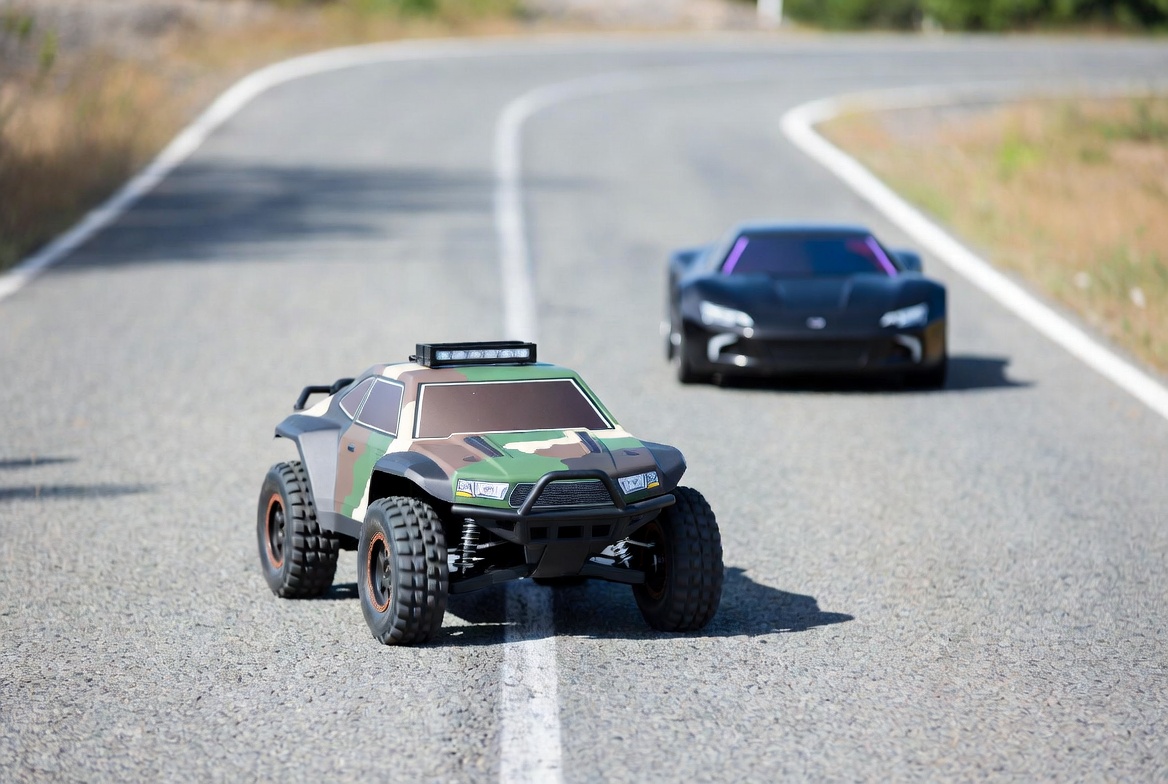
On Road vs Off Road RC Cars
Hey there! If you love the idea of zipping around with a remote control car in your hands, you probably already heard about on road rc cars and off road rc cars. These machines pack serious fun, but they work in totally different ways. One type flies down smooth pavement like a pro racer. The other one bounces over dirt, rocks, and grass like an off-road beast.
This guide walks you through every single difference in plain language. You see exactly how each style handles real life action. No fancy terms or complicated stuff here. Just straight talk so you jump in and start enjoying your first rc vehicle right away.
Remote control cars bring excitement to backyards, parks, and tracks everywhere. People grab them for quick races or all day bashing sessions. The big split comes down to terrain. On road rc cars stick to flat surfaces. Off road rc cars tackle rough ground without breaking a sweat.
You control both types with a simple transmitter. Twist the wheel, hit the throttle, and watch the magic happen. But the real fun starts when you match the car to where you drive most. Let us break it all down step by step so you feel confident before you buy your first one.
Design Differences That Change Everything
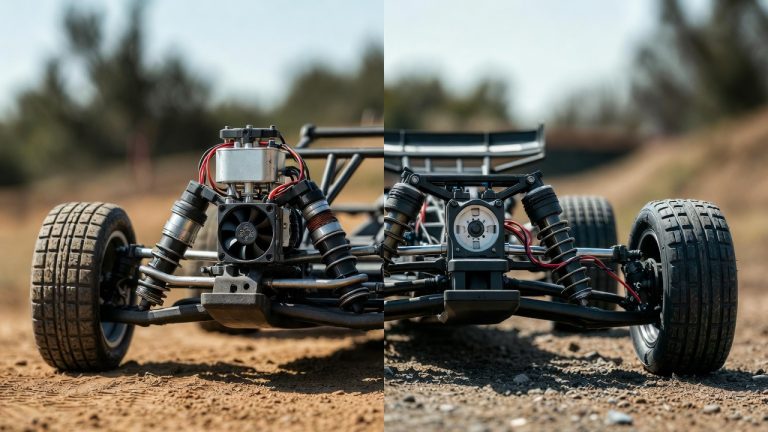
On road rc cars look sleek and low to the ground. Their bodies sit close to the surface so they cut through the air fast. Smooth tires hug the pavement and give you grip on asphalt or concrete. You get a stiff chassis that keeps everything stable during sharp turns.
These cars often come with a touring car body or a drift ready shell. The wheels stay small and narrow because they never need to climb over obstacles. Aerodynamic shapes help them slice forward at top speed. Suspension parts stay simple and tuned for quick response on flat ground.
Flip the script to off road rc cars and you notice the tall stance right away. Big knobby tires chew into dirt and mud. High ground clearance lets the car crawl over rocks and roots without scraping the bottom. Heavy duty suspension arms soak up every jump and bump so the car lands smooth every time.
The chassis on off road models sits tougher and wider for balance on uneven spots. You see monster truck styles with huge wheels or buggy shapes built for jumps. Short course trucks mix street looks with off road power. Rock crawlers take it even further with super flexible suspension that grips slippery surfaces.
Both types use a transmitter, receiver, motor, and battery pack. But the off road version adds stronger parts to survive crashes and flips. On road cars focus on lightweight pieces that boost speed instead of toughness. The body shells differ too. On road shells stay low and smooth while off road shells protect the electronics from dust and water.
You feel the difference the second you pick one up. On road rc cars feel light and quick in your hands. Off road rc cars feel solid and ready for punishment. This design split affects every drive you take from the first lap to the hundredth run.
How They Handle Different Terrains
Drive an on road rc car on pavement and you smile the whole time. The tires bite hard and let you slide into perfect drifts around corners. Smooth roads let the car reach crazy speeds without losing control. Parking lots turn into private race tracks. Sidewalks become straight line speed runs.
Take the same car onto grass or gravel and the trouble starts fast. The low clearance bottoms out on small bumps. Slick tires spin and lose traction right away. You end up stuck or sliding sideways in the dirt. The car just does not belong there.
Off road rc cars laugh at rough stuff. You point them at a dirt trail and they charge forward. Knobby tires dig in and push the car over roots and loose rocks. The suspension flexes and keeps all four wheels on the ground longer. Jumps feel natural because the chassis absorbs the landing impact.
Grass turns into a playground for these machines. Mud gives them extra grip instead of slowing them down. Rock piles become obstacles you conquer with careful throttle control. Even light snow or wet leaves work fine as long as you pick the right tire compound.
Hybrid spots like gravel parking lots favor off road rc cars too. The extra height and tire tread keep you moving while on road cars struggle. But on super smooth indoor tracks the off road version feels bouncy and less precise.
Terrain decides the winner every single time. Flat and paved surfaces reward the on road style. Anything bumpy or loose calls for the off road setup. Many hobbyists own one of each so they never miss out on the perfect driving spot.
Speed and Power Comparison
On road rc cars win the pure speed battle on pavement. Their low drag and slick tires let them hit higher top speeds without extra effort. Brushless motors paired with efficient gearing push these cars to thrilling velocities. You feel the rush as the car rockets down a long straight.
Drift cars in the on road family add sideways action that looks and feels amazing. You control the slide with throttle and steering inputs. The lightweight build helps the car respond instantly to every command.
Off road rc cars trade top speed for torque and control. They climb hills and launch off jumps with raw power. The big tires and heavy suspension add weight so straight line speed drops a bit. But the fun comes from the way they blast through whoops and whoop sections on a dirt track.
Short course trucks and buggies deliver strong acceleration off the line. Rock crawlers focus on slow and steady power instead of all out speed. You creep over obstacles with precise control rather than blasting past them.
Both styles run on electric or nitro power. Electric setups give instant torque and quiet operation. Nitro engines roar and deliver a realistic engine sound that many drivers love. The power difference shows most on their favorite surface. On road cars feel quicker on flats. Off road cars feel stronger where the ground fights back.
Durability and Toughness in Action
On road rc cars handle crashes on smooth surfaces pretty well. Their lightweight parts reduce damage during spins or light bumps. But drop one off a curb or hit a hidden rock and plastic parts can crack fast. The low clearance means small obstacles cause big problems.
These cars last longer when you stick to pavement. Regular runs on tracks or empty lots keep them in great shape. The electronics stay clean because dust and dirt stay off the chassis.
Off road rc cars take the punishment prize. Thick plastic bumpers and reinforced chassis shrug off flips and hard landings. The tall suspension protects the motor and battery during rough runs. You can bash these cars for hours on dirt without worry.
Water resistant designs appear more often in off road models so light rain or puddles do not stop the fun. Sealed gearboxes keep dirt out of the drivetrain. Stronger servo horns resist stripping when you hit big obstacles.
Both types need care after rough sessions. But off road rc cars forgive mistakes better. You crash them harder and fix them less often. On road rc cars reward careful driving with longer life between repairs.
Power Options That Fit Your Style
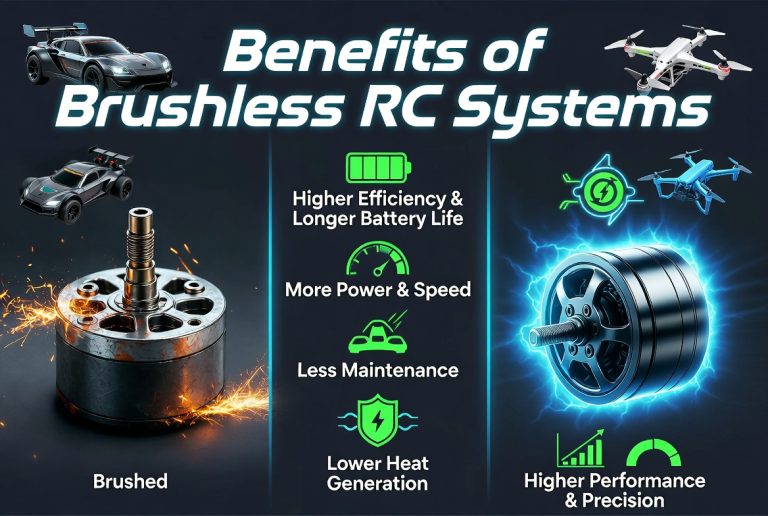
Electric power rules both categories right now. LiPo batteries deliver long run times and quick recharges. Brushless motors run cool and powerful without maintenance headaches. You charge the pack and go again in minutes.
Nitro engines still attract fans who love the smell and sound. Fuel mixing and engine tuning add another layer of hobby fun. These power plants run longer on a single tank but need more upkeep.
On road rc cars often pair with smaller battery packs because they sip power on smooth surfaces. Off road rc cars use bigger packs or higher capacity cells to handle the extra work of climbing and jumping.
Hybrid options exist too. Some drivers swap parts to run either power source in the same chassis. The choice comes down to how much time you want to spend tinkering versus driving.
Cost Breakdown Without the Guesswork
On road rc cars usually cost less at the entry level. Simple designs and fewer heavy parts keep the price down. Basic models fit tight budgets while still delivering solid performance on pavement.
Off road rc cars carry a slightly higher price tag because of the tougher components and bigger tires. The extra durability pays off over time though. You spend less on replacement parts after hard bashing sessions.
Ready to run kits include everything you need in both categories. Transmitter, battery, charger, and car all come in one box. Upgraded versions add better motors or faster electronics for serious drivers.
Spare parts and upgrades add to the total cost either way. Tires wear out fastest on off road cars. Bodies crack on high speed on road crashes. Budget for extras from day one so your rc car stays on the road longer.
Perfect Ways to Enjoy On Road RC Cars
On road rc cars shine on dedicated tracks. Local clubs host races where drivers line up and compete for the fastest lap times. You learn to brake late and accelerate early in the turns. The competition pushes you to improve every week.
Drifting sessions turn empty parking lots into playgrounds. You set up cones and practice perfect slides around them. Friends join in and the laughs never stop. The precise handling lets you nail every drift angle.
Indoor carpet tracks offer year round action without weather worries. The smooth surface lets the cars reach full speed safely. Beginners learn the basics fast because the car behaves predictably.
Street runs work great when you stay away from traffic. Early morning sessions on quiet roads give you space to open up the throttle. Just keep an eye out for cracks or debris that could cause trouble.
Touring cars and pan cars dominate organized on road events. Their low profile and high speed make them favorites for competitive drivers. You feel like a real racer when you line up at the start.
Perfect Ways to Enjoy Off Road RC Cars
Off road rc cars turn any backyard into an adventure zone. Build small jumps with dirt and wood and launch your truck into the air. The suspension soaks up the landing so you keep driving without pause.
Trail running takes you through parks and wooded areas. Rock crawlers creep over logs and boulders while you watch from the sideline. The slow pace lets you enjoy nature and the hobby at the same time.
Bashing sessions release all your stress. Find a dirt field and hammer the throttle. Flip the car, roll it, and keep going. These machines handle abuse that would destroy other toys.
Short course truck races bring dirt track excitement. Drivers battle side by side through whoops and corners. The realistic truck bodies look just like full size race trucks.
Monster trucks crush anything in their path. Big wheels and high torque let them climb curbs and roll over obstacles most cars avoid. Kids and adults both light up when they see one in action.
Beginner Tips to Start Strong
Start simple no matter which style you pick. Buy a ready to run kit so you avoid assembly headaches. Test the car in an open space away from obstacles at first. Learn how the throttle and steering feel before you push the limits.
Practice slow and steady. Build speed only after you master basic turns and stops. Keep spare batteries charged so you never run out of fun in the middle of a session.
Join online groups or local clubs for advice. Experienced drivers share setup tips that save you time and money. Watch how others drive and copy the smooth lines they take.
Clean the car after every run. Dirt and grass clog moving parts fast. A quick wipe down keeps everything working like new.
Adjust the transmitter settings to match your style. Many models let you change steering rate and throttle curve right from the radio. Small tweaks make big differences in control.
Maintenance Secrets to Keep Them Running
Check the battery connections before every drive. Loose plugs cause sudden power loss during runs. Tighten screws on the chassis and suspension after rough sessions because vibration loosens them over time.
Grease the drivetrain gears lightly so they spin smooth. Too much grease attracts dirt so use just enough. Inspect the tires for cuts or chunks missing after off road runs. Replace them before they cause handling problems.
Store the car in a cool dry place. Heat damages batteries and warps plastic parts. Remove the batteries when you finish for the day so they do not drain completely.
Calibrate the speed controller after any motor swap. The right settings prevent overheating and give you full power. Listen for strange noises during runs because they signal problems early.
Replace worn bushings and bearings as soon as you notice slop in the wheels. Fresh parts bring back the crisp handling you loved on day one. Simple maintenance turns a good rc car into a great one that lasts for years.
Upgrades That Boost Your Fun
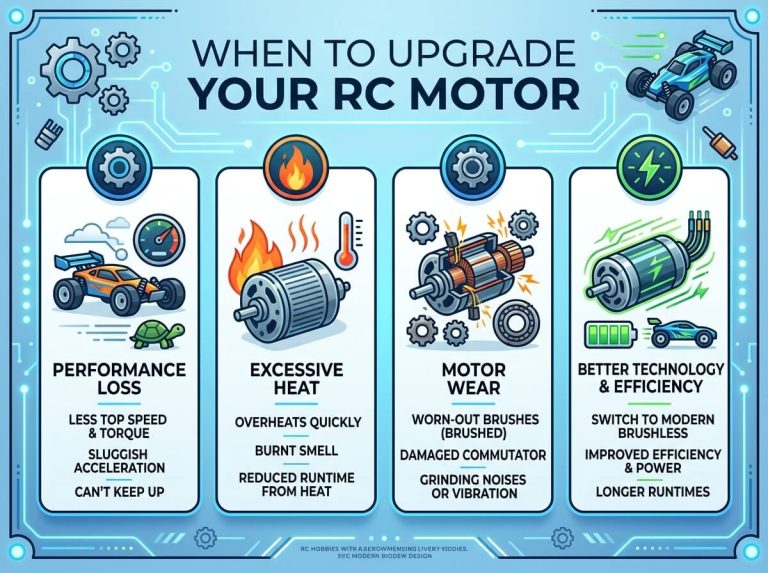
Swap motors for more power once you master the basics. Brushless systems deliver huge performance gains on both on road and off road cars.
Add metal gears to the transmission for extra strength during big jumps. The stock plastic parts work fine at first but metal lasts longer under stress.
Upgrade the suspension with stiffer springs or oil filled shocks. Better damping keeps the car planted during high speed turns or rough landings.
LED lights turn night runs into an event. Bright headlights and taillights let you drive after dark safely.
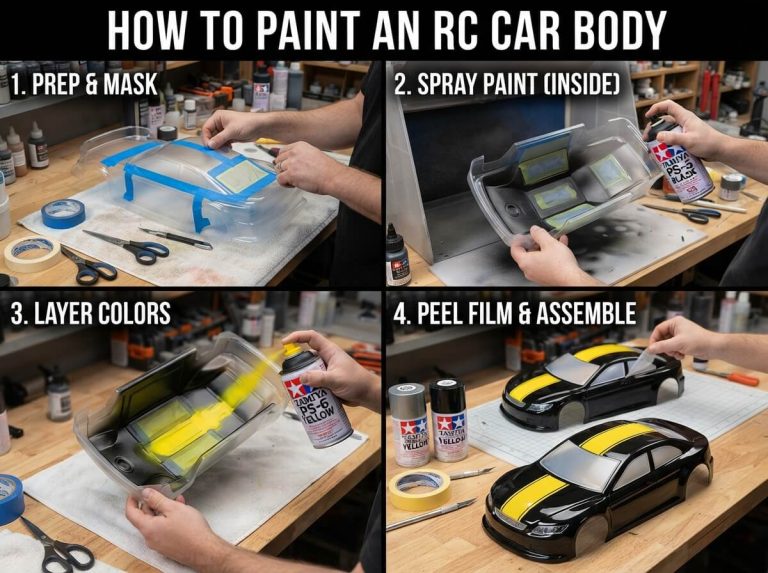
Custom bodies and wraps give your car a unique look. Paint schemes or vinyl stickers make it stand out at the track or trail.
Community Events and Races Near You
Local hobby shops host regular race nights for both styles. Sign up and meet people who share your passion. The events run friendly and focus on learning more than winning.
Off road bash meets gather groups in parks for all day jumping and crashing. Bring snacks and extra batteries because the fun lasts until the sun goes down.
Online forums and video channels show advanced setups and driving techniques. Watch and learn from the best drivers in the world.
Family events let kids and parents race together. The smiles on their faces make every minute worth it.
Big national events draw thousands but local ones keep the vibe relaxed and easy to join.
Common Myths About RC Cars Busted
Some people think all rc cars break easily. The truth is proper care keeps them running strong for a long time.
Others believe off road cars go slow. In reality they deliver massive torque that feels plenty fast on dirt.
Many assume on road cars only work on perfect tracks. Quiet streets and parking lots work great too.
The idea that rc cars cost a fortune is false. Solid starter models fit most budgets and deliver hours of enjoyment.
Final Thoughts on Your RC Journey
You now know the real story behind on road rc cars and off road rc cars. Each type brings its own brand of excitement to the hobby. Smooth pavement calls for the low and fast on road style. Rough terrain demands the tough and tall off road setup.
Grab the one that matches the places you love to drive most. Many drivers end up with both because variety keeps the hobby fresh.
Start small, practice often, and enjoy every single run. The remote control car world welcomes beginners with open arms.
Dust off that transmitter and head outside. Your next adventure waits just around the corner or down the dirt trail. Happy driving and keep the throttle pinned!
(Word count: 3124)