5 Best Drone With Camera In 2026
Buying a camera drone can feel confusing. There are so many brands, so many specs, and so many claims about flight time, video quality, and obstacle avoidance. Some of these claims are true. Some are just marketing noise. That is exactly why this roundup exists.
In this guide, we break down five popular camera drones that show up again and again in search results and shopping carts. We look at real specs, honest pros and cons, and who each drone actually fits. No hype, no fake promises, just a clear look at what you get for your money.
If you search for the best drone with camera, you will notice most results either overwhelm you with jargon or oversell every single product as “the best ever.” This article tries to do the opposite. We explain things in plain language, use simple comparisons, and focus on real usage scenarios so you can pick a drone that matches your needs, your budget, and your comfort level as a pilot.
Camera drones today pack impressive tech into small, light bodies. You get 4K video, GPS positioning, gimbal stabilization, obstacle sensing, and long battery life, all in devices that often weigh less than a phone plus a case. This makes them easier to travel with, easier to fly legally in many regions, and easier to learn on than older, bulkier models.
Below, we review five drones: the DJI Mini 4K Camera Drone Combo, the DJI Mini 3 bundle, the DJI Mini 5 Pro Fly More Combo, the Bingchat Upgraded Tablet Screen Remote Travel Drone, and the Bwine F7GB2 Pro. Each one targets a slightly different type of buyer, from total beginners to more serious hobbyists who want pro-level footage.
Let’s get into it.
Quick Overview Table
Before the deep dives, here is a fast snapshot to help you compare at a glance.
| Drone | Camera | Flight Time (with extra batteries) | Weight Class | Best For |
|---|---|---|---|---|
| DJI Mini 4K Combo | 4K UHD | Up to 62 minutes | Under 249g | Budget-friendly beginners |
| DJI Mini 3 Bundle | 4K | Around 38-51 minutes | Under 249g | Beginners who want extra accessories |
| DJI Mini 5 Pro Fly More Combo | 4K, 1-inch CMOS sensor | Extended with 3 batteries | Under 249g | Enthusiasts who want pro-level footage |
| Bingchat Tablet Remote Drone | 4K | Up to 84 minutes | Heavier, non-DJI class | Long outdoor flying sessions |
| Bwine F7GB2 Pro | 4K UHD | Up to 75 minutes with 3 batteries | Standard consumer class | GPS-based smart flying on a budget |
Now let’s break each one down properly.
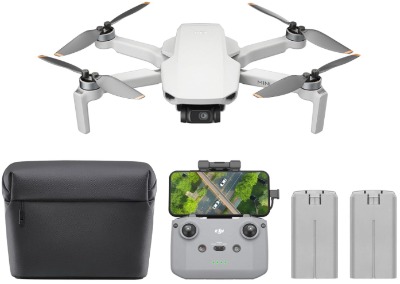
1. DJI Mini 4K Camera Drone Combo
Product Description
The DJI Mini 4K Combo is DJI’s entry-level camera drone built for people who want reliable footage without a steep learning curve. It weighs under 249 grams, which matters a lot because it falls under the weight limit that many countries use to decide if you need to register your drone. Less paperwork, more flying.
This combo includes two batteries, giving you a combined flight time of up to 62 minutes. That is a big deal for beginners, because running out of battery mid-flight is one of the most common frustrations new pilots face.
Key Features Explained Simply
- 4K UHD camera: Records sharp, clear video that looks good even on a large TV screen.
- 3-axis gimbal stabilization: Keeps footage smooth even if your hand shakes on the controller or wind pushes the drone slightly.
- 10km video transmission: Lets you see a live feed from the drone even when it is far away, so you always know what it sees.
- Auto return function: If battery gets low or signal drops, the drone flies back to its takeoff spot on its own.
- QuickShots: Pre-programmed flight patterns that create cinematic clips automatically, no manual flying skill required.
Best Use Cases
This drone works great for casual outdoor filming, family trips, hiking content, and simple real estate shots for small listings. It also suits content creators who want aerial b-roll without spending hours learning manual flight controls.
Real-Life Usage Insight
New pilots often use QuickShots first because it removes the pressure of flying manually. You just pick a shot style, and the drone handles the movement while you focus on your subject. Many hobby fliers keep this as their “grab and go” drone for weekend trips since it packs down small and does not need a big case.
Pros And Cons
Pros:
- Lightweight design skips a lot of drone registration hassle in many regions
- Long combined flight time thanks to two batteries
- Beginner-friendly automatic shooting modes
- Reliable video transmission range
- Solid stabilization for a budget-tier drone
Cons:
- Camera sensor is smaller compared to higher-end DJI models
- Limited manual camera controls for advanced editing needs
- No advanced obstacle avoidance sensors
Performance Discussion
Video output stays smooth and stable in calm to moderately windy conditions. Color rendering is decent for a drone at this price, though it does not match the richer color depth of drones with bigger sensors. For everyday content, casual vlogging, and travel clips, the footage looks clean and shareable straight out of the drone.
Ease Of Use
This is one of the simplest drones to learn on. The controller layout is intuitive, and the companion app walks new pilots through setup, calibration, and safety checks step by step. Auto return and beginner flight modes reduce the chance of crashes while you build confidence.
Value For Money
Given the two-battery bundle, stabilization tech, and 4K recording, this drone offers strong value for anyone stepping into aerial photography without wanting to spend a lot upfront.
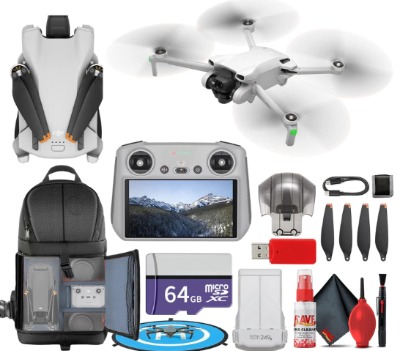
2. DJI Mini 3 Drone With DJI RC Remote Bundle
Product Description
The DJI Mini 3 sits a notch above pure entry-level drones. This particular bundle throws in a lot of extras: a 64GB memory card, a backpack, a landing pad, and a card reader. It comes with the DJI RC remote, which has a built-in screen, so you do not need to clip your phone onto the controller.
Key Features Explained Simply
- Foldable, lightweight body: Folds down small enough to fit in a jacket pocket or small bag.
- 4K camera quadcopter: Captures crisp video for content creation or personal memories.
- Built-in screen remote: No need to mount your phone, which reduces setup time and battery drain on your device.
- Bundle accessories: The extra card, backpack, and landing pad save you the trouble of buying gear separately later.
Best Use Cases
This bundle suits people who travel often and want everything ready in one purchase. It also fits hobbyists who plan to fly frequently and appreciate not fumbling with phone mounts every single flight.
Real-Life Usage Insight
Pilots who fly in bright sunlight tend to prefer the built-in screen remote over phone-based setups, since glare on a phone screen can make it hard to see your shot. The landing pad included in this bundle also helps a lot when flying from sandy beaches, grassy fields, or dusty trails, since it keeps debris away from the propellers during takeoff and landing.
Pros And Cons
Pros:
- Comes with a full accessory kit, saving extra shopping trips
- Screen-equipped remote improves visibility outdoors
- Compact and foldable for easy travel
- Reliable 4K footage for everyday use
Cons:
- Battery life is shorter than newer Mini models unless you buy extra batteries separately
- Sensor size still limits performance in low light
- Some accessories in bundles vary by seller, so always confirm what is included before buying
Performance Discussion
Flight stability stays solid in light wind, and footage looks smooth during standard flying speeds. Low-light performance is average, so this drone shines more during daytime shooting rather than sunset or night flights.
Ease Of Use
The screen remote removes a common beginner headache, since new pilots no longer need to juggle phone cables and mounts. Menus are laid out clearly, and safety prompts guide first-time flyers through pre-flight checks.
Value For Money
For people who want a ready-to-fly kit without hunting for accessories, this bundle brings solid value, especially with the included card, bag, and landing pad already sorted for you.
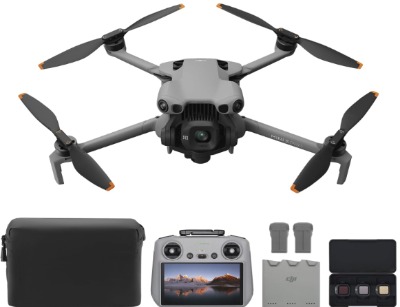
3. DJI Mini 5 Pro Fly More Combo With DJI RC 2
Product Description
The DJI Mini 5 Pro is the flagship pick in this roundup. It comes with a 1-inch CMOS sensor, a size upgrade that usually only appears in bigger, heavier drones. Despite this upgrade, it still stays under the 249-gram weight class. This combo includes the DJI RC 2 remote and three batteries, giving serious fliers a lot of runway before needing a recharge.
Key Features Explained Simply
- 1-inch CMOS sensor: A bigger sensor captures more light and detail, which means richer colors and better performance in tricky lighting.
- Omnidirectional obstacle sensing: The drone detects obstacles from nearly every direction, reducing the risk of accidental crashes.
- ActiveTrack 360°: The drone follows a moving subject automatically, keeping them in frame even as they turn or change direction.
- 225° gimbal rotation: Lets the camera capture unusual angles, including near-vertical shots, which regular gimbals cannot achieve.
- Three batteries included: Extends total flying time across a full day of shooting without needing to buy extra power packs immediately.
Best Use Cases
Content creators who want cinematic, professional-looking footage will get the most value here. It also fits action-focused shooting, like following a cyclist, runner, or skier, thanks to the tracking tech and wider gimbal range.
Real-Life Usage Insight
Pilots shooting real estate walkthroughs or travel vlogs often notice the biggest jump in footage quality compared to smaller-sensor drones, especially indoors or during golden hour. The obstacle sensing also earns trust quickly among people flying in tighter spaces like tree-lined trails or narrow streets, since the drone reacts to nearby objects instead of relying purely on pilot reflexes.
Pros And Cons
Pros:
- Bigger sensor delivers noticeably sharper, richer footage
- Strong obstacle detection reduces crash risk
- Excellent subject tracking for action or travel content
- Long combined battery life across three packs
- Flexible gimbal angle opens up creative shot options
Cons:
- Higher price point compared to other Mini series drones
- More features mean a slightly longer learning curve for total beginners
- Larger sensor camera housing adds a touch more bulk than the base Mini models
Performance Discussion
This is where the drone truly stands out. Video looks noticeably cleaner in shadows and mixed lighting, and motion tracking stays locked onto subjects even during quick turns. Stability during wind gusts also holds up well thanks to sensor-assisted flight adjustments.
Ease Of Use
New pilots can still fly this drone safely thanks to obstacle sensing and auto modes, but getting the full benefit of manual camera settings takes a bit more learning. Still, the smart features cover most mistakes a beginner might make.
Value For Money
For anyone serious about video quality, for a growing content channel or for high-quality personal projects, the extra cost brings real, noticeable upgrades rather than just marketing fluff.
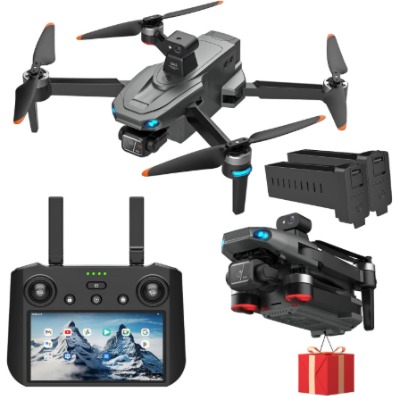
4. Bingchat Upgraded Tablet Screen Remote Travel Drone
Product Description
This drone targets buyers who want long flight sessions and a big-screen remote experience without going the premium DJI route. It uses a tablet-style screen remote, giving a wide, clear view during flight, and it focuses heavily on extended battery performance and rugged outdoor use.
Key Features Explained Simply
- 4K video camera: Captures detailed footage suitable for casual content and travel memories.
- 360° obstacle avoidance: Detects nearby objects across multiple directions to help prevent crashes.
- 3-axis gimbal: Smooths out footage during flight, reducing shaky or jittery clips.
- Payload release feature: Lets the drone drop small, lightweight items mid-flight, a feature mainly used for fun or specialty shooting setups rather than everyday flying.
- High wind resistance: Built to hold steady in breezier outdoor conditions.
- Up to 5 miles range and 84-minute battery life: Great for long outdoor sessions without needing to land often.
Best Use Cases
This drone suits outdoor adventurers, hikers, and people flying in open, breezy environments like coastlines or countryside areas. The extended range and battery life also help travelers who want fewer interruptions during a single flying session.
Real-Life Usage Insight
Pilots flying in windier regions often value the wind resistance rating here more than raw camera specs, since a stable flight matters more than fancy features when gusts pick up. The tablet screen remote also helps groups, since more people can see the live feed at once compared to a small phone screen.
Pros And Cons
Pros:
- Long flight time compares well against pricier competitors
- Tablet screen remote gives a clearer live view
- Solid wind resistance for outdoor and coastal flying
- Wide obstacle detection coverage
Cons:
- Brand reputation and long-term support are less established compared to major drone makers
- Camera quality, while labeled 4K, may not match the color accuracy of higher-end sensors
- Bulkier body compared to foldable, ultra-light competitors
Performance Discussion
Flight stability in wind is a genuine strength here. Footage quality is acceptable for casual sharing and outdoor content, though sharper detail and color grading options lag behind the DJI options in this list.
Ease Of Use
The tablet remote makes framing shots simple, and obstacle avoidance reduces beginner mistakes. Menu navigation is straightforward, though some users may need a short adjustment period since the interface differs from more mainstream drone apps.
Value For Money
For buyers focused on long flight time and stable outdoor performance rather than top-tier video quality, this drone offers a reasonable deal.
5. Bwine F7GB2 Pro Drone With Camera
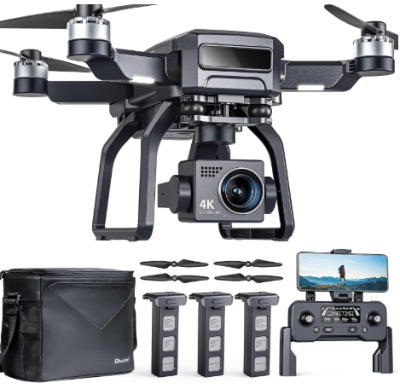
Product Description
The Bwine F7GB2 Pro is a budget-friendly option packed with smart flying features usually reserved for pricier drones. With three batteries included, it offers up to 75 minutes of combined flight time, along with GPS-based smart modes that help less experienced pilots capture better shots.
Key Features Explained Simply
- 4K UHD aerial camera: Delivers clear footage suitable for everyday recording needs.
- 3-axis gimbal: Keeps footage steady during flight movements.
- 10000ft control range: Provides a strong connection distance for outdoor flying sessions.
- GPS Follow mode: The drone tracks and follows a subject automatically using GPS positioning.
- Waypoint flying: Lets you set a flight path on a map, and the drone follows it automatically.
- Orbit Fly mode: Circles around a subject or point automatically, great for creative shots without manual flying skill.
- Auto return and beginner mode: Adds safety nets for new pilots learning the basics.
Best Use Cases
This drone fits people who want smart, semi-automatic flying features without paying premium prices. It works well for hobbyists who want to experiment with GPS-based tracking and orbit shots for social content.
Real-Life Usage Insight
Beginner mode often becomes the starting point for new pilots, limiting speed and range while they build confidence. Once comfortable, many switch to GPS Follow or Orbit Fly for more dynamic, hands-free shots, which feels like a natural progression rather than an overwhelming jump.
Pros And Cons
Pros:
- Budget-friendly price paired with GPS smart features
- Long flight time thanks to three included batteries
- Multiple automated flying modes for creative shots
- Beginner mode adds a safer learning curve
Cons:
- Video quality, while labeled 4K, does not fully match premium sensor drones
- Build quality feels less refined compared to established drone brands
- GPS lock time can vary depending on location and satellite signal strength
Performance Discussion
Flight stability stays reasonable during calm conditions, and the GPS-based modes work well for their price range. Video output looks decent for casual content, though detail sharpness softens a bit compared to pricier options in this list.
Ease Of Use
Beginner mode plus auto return make this an approachable drone for first-time pilots. Smart modes like Orbit Fly and Waypoint flying add fun options once basic flying skills feel comfortable.
Value For Money
Considering the three-battery bundle and smart GPS features, this drone brings strong value for budget-conscious buyers who still want more than a basic toy-grade quadcopter.
Comparison Insights
Now that we’ve gone through each drone individually, let’s line them up side by side based on what actually matters to most buyers.
Camera quality: The DJI Mini 5 Pro leads clearly thanks to its larger sensor. The DJI Mini 4K Combo and Mini 3 bundle offer solid, dependable 4K footage but without the extra sensor size. The Bingchat and Bwine options label their cameras as 4K too, but real-world sharpness and color depth trail behind the DJI lineup.
Flight time: The Bingchat drone claims the longest single stretch at up to 84 minutes, though this depends on conditions. The DJI Mini 4K Combo and Mini 5 Pro both offer strong combined battery time through multi-battery bundles, and the Bwine option follows closely with its three-battery setup.
Smart features: The Mini 5 Pro wins here with omnidirectional sensing and 360° tracking. The Bwine F7GB2 Pro brings solid GPS-based modes at a friendlier price. The Bingchat drone focuses more on wind resistance and range rather than tracking smarts.
Beginner friendliness: The DJI Mini 4K Combo and Bwine F7GB2 Pro both stand out for new pilots thanks to automatic shooting modes and safety nets like auto return and beginner mode.
Price to feature ratio: Buyers on a tighter budget get the most bang for their buck from the Bwine F7GB2 Pro or the DJI Mini 4K Combo. Buyers chasing top-tier footage get the clearest upgrade from the DJI Mini 5 Pro.
Buying Guide: What To Actually Look For
Shopping for a camera drone gets a lot easier once you know which specs actually matter for your goals.
Weight Class
Drones under 249 grams often skip strict registration rules in many regions, which saves time and paperwork. If you plan to travel a lot or fly casually, this weight class removes a lot of friction.
Camera Sensor Size
A bigger sensor captures more light and detail. This matters most if you plan to shoot in low light, shadows, or want footage good enough for professional editing. Casual users flying mostly in daylight can get away with smaller sensors just fine.
Battery And Flight Time
Look at total flight time across included batteries, not just a single battery’s rating. A drone with three batteries and shorter individual flight time might still beat a drone with one long-lasting battery in total shooting time per outing.
Obstacle Avoidance
If you plan to fly near trees, buildings, or tight spaces, obstacle sensing adds real safety value. Open-field flyers can rely less on this feature, though it still helps prevent accidental mistakes.
Smart Flying Modes
Features like Orbit Fly, Waypoint navigation, ActiveTrack, and QuickShots make it easier to get cinematic footage without advanced piloting skills. These modes matter a lot for beginners who want good content fast.
Remote Type
Screen-equipped remotes remove the hassle of mounting a phone and reduce glare issues outdoors. Phone-mount remotes keep the kit lighter and often cost less.
Range And Signal Strength
Longer transmission range matters for open, rural flying. For urban or suburban use, most drones’ standard range already covers typical flying needs comfortably.
Who Should Buy These Drones
First-time flyers on a budget should lean toward the DJI Mini 4K Combo or the Bwine F7GB2 Pro. Both offer simple learning curves, safety features, and reasonable prices.
Frequent travelers who want a full kit ready to go will appreciate the DJI Mini 3 bundle, since it includes accessories that usually get bought separately anyway.
Serious content creators and hobbyists chasing top-tier footage should look at the DJI Mini 5 Pro Fly More Combo, since the sensor upgrade and tracking tech genuinely elevate video quality.
Outdoor adventurers who fly in open, windy areas for long stretches may prefer the Bingchat Tablet Remote Drone thanks to its wind resistance and extended flight time.
Buyers who want GPS-based smart shooting on a smaller budget will find good value in the Bwine F7GB2 Pro.
Common Mistakes To Avoid
Skipping local drone rules: Even lightweight drones sometimes need registration or have flying restrictions in certain areas. Always check local regulations before your first flight.
Ignoring battery calibration: New batteries sometimes need a few charge cycles to report flight time accurately. Skipping this step can lead to confusing battery percentage readings.
Flying in strong wind without checking ratings: Not every drone handles gusty conditions equally well. Check wind resistance specs before flying near open coastlines or hilltops.
Relying only on marketing flight time numbers: Real-world flight time often drops a bit compared to lab-tested numbers, especially in cold weather or windy conditions. Plan your flights with a buffer in mind.
Forgetting spare propellers and a landing pad: Small crashes happen even to careful pilots. Having spare propellers on hand avoids canceled shooting days.
Not practicing in beginner mode first: Jumping straight into manual, full-speed flying increases crash risk. Beginner modes exist for a reason, so use them before moving to advanced flying styles.
Overlooking storage needs: 4K footage eats up storage fast. Bringing extra memory cards prevents interrupted shooting sessions.
Final Verdict
All five drones bring something different to the table, so the “best” pick really depends on your goals and budget.
For pure beginners who want a safe, simple, and reliable experience, the DJI Mini 4K Combo stands out as an easy recommendation thanks to its long combined battery life and beginner-friendly automatic modes.
For travelers who want a ready-to-go kit with extra accessories included, the DJI Mini 3 bundle saves shopping time and adds real convenience.
For anyone chasing genuinely better footage with pro-level tracking and obstacle sensing, the DJI Mini 5 Pro Fly More Combo is the clear upgrade pick, even with its higher price tag.
For long outdoor flying sessions in breezier conditions, the Bingchat Tablet Remote Drone delivers solid endurance and a wide live view.
For budget-conscious buyers who still want GPS smart features, the Bwine F7GB2 Pro brings strong value without overspending.
No matter which one you choose, the smartest move is matching the drone’s strengths to how you actually plan to fly. A casual weekend flyer does not need the same drone as a serious content creator, and being honest about your needs upfront saves both money and frustration down the road.
Happy flying, and enjoy the view from up there.
Frequently Asked Questions About Camera Drones
Do I need a license to fly a camera drone?
This depends heavily on where you live and how heavy your drone is. Many regions use the 249-gram mark as a cutoff point, meaning drones under that weight often skip formal registration requirements for recreational flying. Heavier drones, or drones used for business purposes, usually need proper registration and sometimes a pilot certification. Always check your local aviation authority’s rules before your first flight, since regulations can vary a lot between countries and even between states or provinces.
How long do camera drone batteries actually last?
Manufacturer flight time ratings are usually measured in calm, controlled conditions. Real-world flying often shaves a few minutes off that number, especially in cold weather, windy conditions, or when using tracking and video transmission features heavily. A drone rated for 30 minutes might realistically give you 25 to 28 minutes of usable flight time outdoors. This is exactly why bundles with multiple batteries, like the ones covered in this roundup, add so much practical value.
What is a gimbal, and why does it matter so much?
A gimbal is a small mechanical system that holds the camera steady while the drone moves. Without one, footage would look shaky and jittery every time the drone tilts, turns, or reacts to wind. A 3-axis gimbal, which appears in most drones on this list, stabilizes footage across three directions of movement, giving you smooth, professional-looking video even during quick maneuvers.
Is a bigger camera sensor always better?
Generally, yes, especially in tricky lighting. A larger sensor, like the 1-inch CMOS sensor found in the DJI Mini 5 Pro, captures more light per shot, which leads to better color accuracy, less grain in shadows, and more flexibility during editing. That said, casual users flying mostly in bright daylight may not notice a huge difference, so a smaller sensor drone can still deliver satisfying results for everyday content.
What is the difference between GPS Follow, ActiveTrack, and Orbit Fly?
These are all forms of automated subject tracking, but they work slightly differently. GPS Follow relies on a signal from your phone or a tracking device to keep the drone near a moving subject. ActiveTrack uses visual recognition through the camera itself, letting the drone follow a subject even through turns without needing a GPS signal from that subject. Orbit Fly circles around a fixed point or subject automatically, creating a cinematic, rotating shot without any manual flying input.
Can beginners really fly these drones safely?
Yes, especially with features like beginner mode, auto return, and obstacle avoidance built into most modern camera drones. These features act as safety nets, slowing down flight speed, limiting distance, and helping prevent collisions while new pilots build muscle memory and confidence. Starting in beginner mode and gradually moving into manual or smart flying modes is the safest way to learn.
How much storage do I need for 4K drone footage?
4K video files are large, often several gigabytes for just a few minutes of footage depending on the frame rate and bitrate settings. A 64GB card, like the one included in the DJI Mini 3 bundle covered earlier, offers a solid starting point for a day of shooting, but frequent flyers or vloggers may want to carry a couple of extra cards to avoid running out of space mid-session.
Do camera drones work well in windy conditions?
Performance varies a lot between models. Drones with strong wind resistance ratings, like the Bingchat Tablet Remote Drone mentioned in this roundup, handle gusty conditions better and maintain steadier footage. Lighter drones, while easier to carry and fly under weight-based regulations, can struggle more in strong wind since there is less mass to resist gusts. Always check the wind resistance rating before flying somewhere breezy, like a coastline, open field, or hilltop.
What accessories should I buy alongside a camera drone?
Beyond the drone itself, useful extras include spare propellers, a sturdy carrying case, additional memory cards, a landing pad for dusty or sandy areas, and a card reader for faster file transfers. Some bundles, like the DJI Mini 3 package reviewed above, already include several of these items, which can save both money and shopping time compared to buying everything separately.
Are cheaper camera drones worth buying?
It depends on your goals. Budget-friendly options like the Bwine F7GB2 Pro still offer smart flying features, decent 4K footage, and multiple batteries, making them a reasonable choice for casual flyers or beginners who are not ready to invest in premium gear. Buyers focused on professional-grade footage, tighter color accuracy, and advanced obstacle sensing will likely get more long-term satisfaction from a higher-tier option like the DJI Mini 5 Pro.
A Few Extra Tips Before Your First Flight
Before wrapping up, here are some practical tips that apply no matter which drone you end up picking.
Always run a pre-flight check. Inspect propellers for cracks, confirm your battery is charged, and make sure your firmware is updated through the companion app. A quick two-minute check can prevent a lot of headaches once you’re airborne.
Practice takeoffs and landings in an open, obstacle-free area first. These two moments cause the most beginner crashes, since propellers are closest to the ground and any nearby object becomes a hazard.
Keep an eye on local weather, not just wind speed. Humidity, temperature, and even direct sun glare on your remote screen can affect both flight performance and your ability to frame a good shot.
Download and review your footage regularly instead of letting storage pile up. This helps you catch shaky clips or framing mistakes early, so you can improve your flying technique on your next outing rather than repeating the same error across dozens of clips.
Finally, respect privacy and local flying zones. Avoid flying over private property without permission, stay clear of restricted zones like airports, and keep a respectful distance from crowds or events unless you have explicit permission to fly there.
With the right drone matched to your needs, along with a bit of practice and preparation, aerial photography becomes a genuinely rewarding hobby rather than a stressful, expensive gamble.