How Big Is a 1:18 Scale RC Car
So you’re curious about RC cars, and you keep seeing this “1:18 scale” thing pop up everywhere. Maybe you’re wondering what it actually means, or perhaps you’re trying to figure out if a 1:18 model is the right size for you. Either way, you’re in the right place. Let me break this down in a way that makes sense, without all the confusing technical stuff.
What Does 1:18 Scale Actually Mean?
Let’s start with the basics. When someone says “1:18 scale,” they’re talking about a ratio. Think of it like a comparison between the toy car and a real car. The “1” represents the toy car, and the “18” represents the real car.
Here’s the simple math: if your toy RC car is 1:18 scale, that means a real car would be 18 times bigger. So if your RC car is 10 inches long, the real car would be 180 inches long. That’s 15 feet, which is about the size of a real sedan.
This ratio applies to all the measurements on the miniature model vehicle. The length, width, height, and even the little details inside follow this same 1:18 proportion. That’s what makes scale models so cool—they’re accurate shrunk-down versions of actual cars.
How Long and Wide Is a 1:18 Scale RC Car?
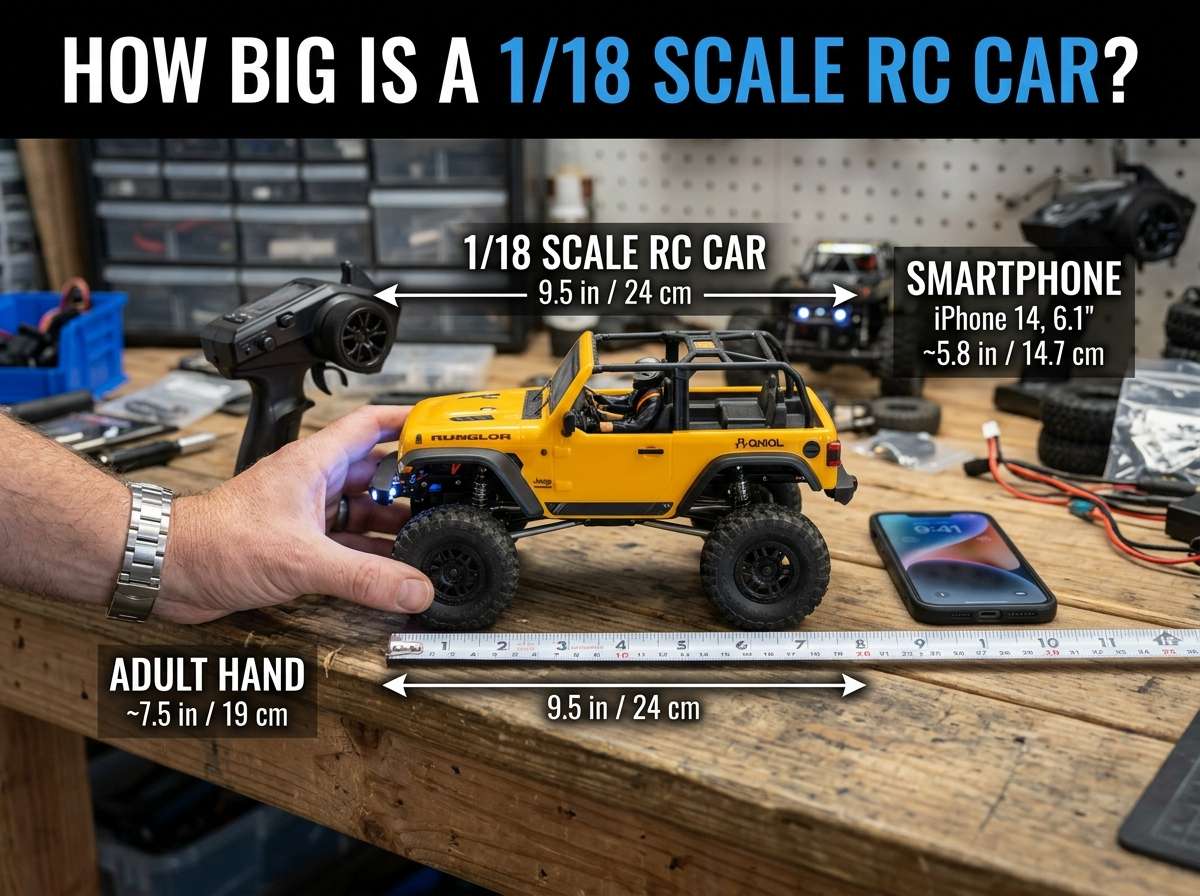
Most 1:18 scale RC cars are pretty small and easy to handle. A typical 1:18 model car sits between 8 to 11 inches long. That’s roughly the length of a standard ruler or a little bit longer than a smartphone.
The width usually falls somewhere between 3 to 4 inches wide. If you think about holding a cereal box width-wise, that’s about how wide these cars are. The height is usually around 2.5 to 3.5 inches tall—short enough to fit under a low shelf.
These measurements make 1:18 scale models really portable. You can toss one in a backpack, throw it in a drawer, or carry it in your car without any trouble. They’re not so big that they take up your entire room, but they’re not so small that they’re hard to control either.
Comparing 1:18 Scale to Other Popular RC Car Sizes
If you’re shopping for an RC car, you might see different scale options. Let’s look at how 1:18 stacks up against other common sizes.
1:24 Scale Models
A 1:24 scale RC car is smaller than 1:18. These mini models usually measure 6 to 8 inches long. They’re perfect for kids, office desks, or anyone who has limited space. Since they’re smaller, they’re often cheaper too. But the trade-off is that they’re trickier to control and repair because there’s less room to work with.
1:16 Scale Models
Now we’re going bigger. A 1:16 scale car is larger than 1:18 and usually measures around 12 to 14 inches long. These vehicles are heavier and pack more powerful motors. If you want something with more oomph and better handling, 1:16 might be your pick. They’re still portable, just not as easy to slip into a bag.
1:12 Scale Models
We’re getting into the big leagues now. A 1:12 scale remote control car is seriously substantial, often stretching 16 to 20 inches long. These are considered high-end hobby-grade models. They have incredible detail, run faster, and cost way more money. If you’re a serious RC enthusiast, this is where the real fun starts.
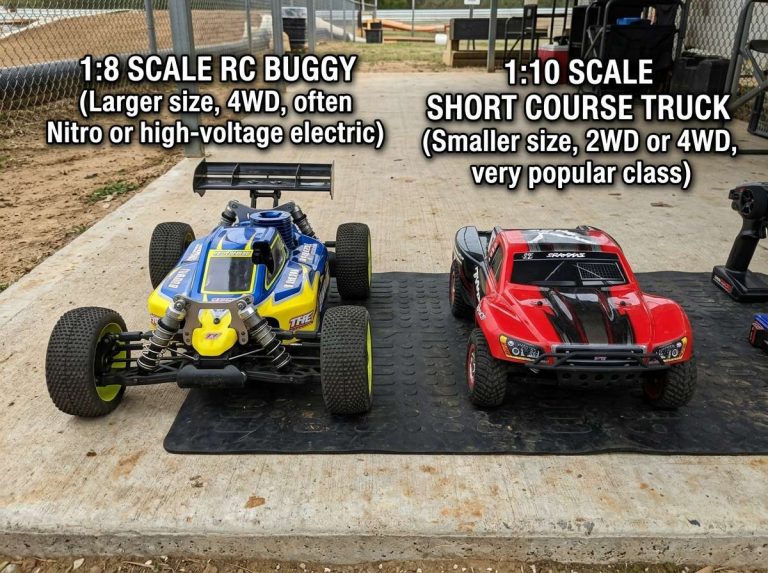
1:10 Scale Models
This is the absolute giant of the hobby world. A 1:10 scale RC car can be 18 to 24 inches or even longer. These things are beasts—powerful, detailed, and expensive. Most racing enthusiasts use 1:10 models for serious competition.
So where does 1:18 fit? It’s right in the sweet spot for most people. Bigger than the tiny 1:24 models, but still much more affordable and easier to handle than the giant 1:10 or 1:12 cars.
Why 1:18 Scale Is Popular for RC Beginners
If you’re just getting into the RC car hobby, 1:18 scale is honestly the perfect starting point. Here’s why so many people choose this size.
The Price Point
1:18 scale remote control cars are incredibly affordable compared to larger models. You can find quality 1:18 models for between $30 to $100, while bigger scales can cost $200 to $500 or more. Starting with a 1:18 model means you can jump into the hobby without breaking the bank.
Easy to Handle and Control
These miniature vehicles are light and responsive. They’re not so small that tiny fingers can’t control them, and they’re not so big that they’re awkward to maneuver. A kid can have fun with one, and an adult won’t feel like they’re playing with something too childish.
Perfect Size for Play Areas
Your living room, bedroom, garage, or backyard works great for 1:18 models. You don’t need a massive outdoor space or a dedicated hobby room. If you have a small patio or even a hallway, that’s enough space to drive one around.
Great Detail Without Costing a Fortune
1:18 scale models still have decent paint jobs, working headlights, opening doors, and realistic details. They look like actual cars, not cheap toys. You get quality and style without paying premium prices.
Easier Repairs and Upgrades
The parts are small enough to work with, but big enough that you’re not using a magnifying glass. If something breaks, fixing it isn’t a nightmare. You can find replacement parts easily, and upgrades are straightforward.
The Weight of a 1:18 Scale RC Car
A typical 1:18 scale remote control car weighs between 3 to 8 ounces. That’s lighter than a smartphone. Some are even lighter, while others with heavier materials or full batteries might reach closer to 8 to 10 ounces.
This light weight is actually a bonus. It means the car uses less battery power to run, so you get longer play sessions. It also means you can hold it in one hand, transport it easily, and it won’t cause damage if it crashes into something.
Battery and Runtime Expectations
Most 1:18 scale models run on rechargeable lithium batteries or AA batteries. The battery itself is tiny—usually about the size of a AA battery or slightly larger for lithium models.
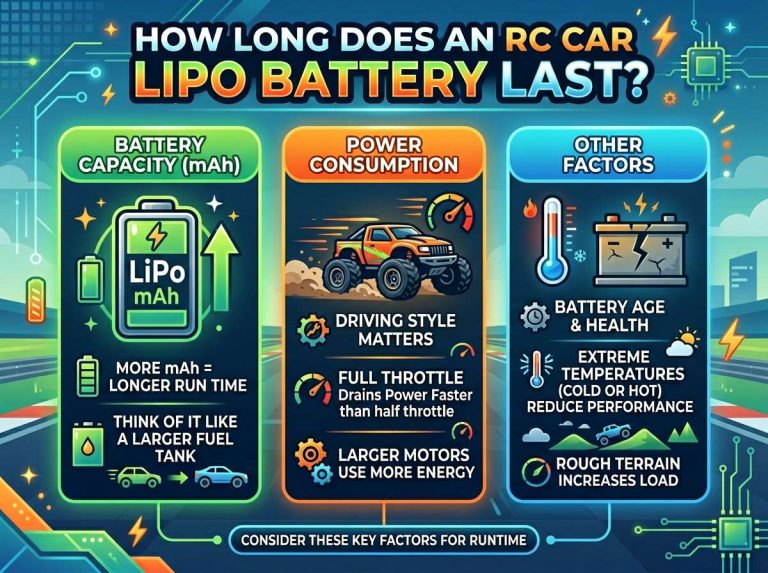
Battery life depends on the type and model, but generally you can expect anywhere from 15 to 45 minutes of continuous driving. Some models might go longer if the battery is bigger or the motor is efficient. When the battery dies, you just pop it on the charger and wait 30 minutes to an hour.
The small battery size means charging is quick. You’re not waiting hours like you would with a massive 1:10 model. This is another reason 1:18 cars are perfect for casual drivers.
Motor Power and Speed
Don’t let the small size fool you—1:18 scale RC cars can move pretty fast. Most models reach speeds between 10 to 20 miles per hour. Some high-performance models push closer to 25 mph.
That might not sound crazy fast, but remember—the car itself is only 10 inches long. A 15 mph 1:18 car feels like it’s flying. The sense of speed is real, and it’s exciting.
The motor in a 1:18 model is correspondingly small but powerful. Toy-grade models use simple brushed motors, while hobby-grade versions might have brushless motors that deliver better performance and longer motor life.
Indoor vs. Outdoor Play with 1:18 Models
Here’s where the 1:18 scale really shines. The size makes these cars incredibly versatile.
Indoor Play
Your kitchen, living room, or basement works great for 1:18 models. These cars are small enough that you can race them indoors without worrying about them crashing into expensive furniture at dangerous speeds. The light weight means impacts are minor and unlikely to hurt anything.
Some people set up obstacle courses inside using household items like books, pillows, and cardboard boxes. Others just enjoy cruising around the hardwood floor or tile. Indoor play means you can enjoy your RC car even when the weather is bad.
Outdoor Play
In the backyard, driveway, or parking lot, 1:18 models really show their personality. They can handle dirt, grass, gravel, and light off-road conditions. They’re small enough to fit in tight spaces and explore areas that bigger cars would struggle with.
You can race them with friends on a flat patio, take them on a small dirt track, or let them explore the grass. The possibilities are endless.
Different Types of 1:18 Scale RC Cars
Not all 1:18 models are the same. There are several categories to know about.
On-Road Models
These are sleek street cars designed for smooth surfaces. They have low suspension and smooth tires meant for pavement or smooth flooring. Think sports cars, sedans, and luxury vehicles. These are fast and fun on hard surfaces but struggle in dirt.
Off-Road Models
Off-road 1:18 cars have higher suspension, knobby tires, and sturdier frames. They’re built for rough terrain, dirt, grass, and gravel. They’re slower than on-road models but way more durable for adventurous play.
Rock Crawlers
These are specialized off-road machines designed to climb over obstacles. They have extreme suspension articulation and incredible ground clearance. They’re slow but can tackle terrain that seems impossible.
Racing Models
High-performance racing 1:18 cars are built for speed and precision control. They might be used in organized 1:18 racing leagues (yes, they exist!). These are typically hobby-grade and more expensive than casual models.
Toy-Grade vs. Hobby-Grade 1:18 Models
This is an important distinction that affects price, durability, and performance.
Toy-Grade Models
These are the budget-friendly options you find at big retailers. They come ready to race out of the box, usually with batteries included. Prices are low, often $20 to $60. The downside is that they’re less durable, less detailed, and often have limited control range. Good for casual players and kids.
Hobby-Grade Models
Hobby-grade 1:18 cars are built better with higher-quality materials and better electronics. They’re more durable and have longer control ranges. Prices run $80 to $150 or more. Parts are available for repairs and upgrades. Best for people serious about the hobby.
Storage and Display Space Needed
One of the best things about 1:18 scale models is how little space they need.
A single 1:18 car fits easily in a small cardboard box, a drawer, or a shelf. If you have multiple cars, a storage container works great. A 5-quart plastic storage bin can hold 4 to 6 models comfortably.
For display, you can showcase 1:18 models on a bookshelf, desk, or display case. They don’t need special climate control or extreme care. Just keep them out of direct sunlight so the paint doesn’t fade, and you’re good.
This space efficiency is huge compared to larger scales. A 1:10 model might need its own dedicated storage shelf, while several 1:18 cars fit in the space of a shoebox.
Cost Comparison and Value
Let’s talk money. A quality 1:18 RC car represents excellent value in the hobby.
Budget toy-grade models start around $20 to $40. Mid-range hobby-grade models run $80 to $120. Premium 1:18 models might hit $150 to $200.
Compare this to other hobbies:
- A new video game: $50 to $70
- A beginner drone: $100 to $300
- A 1:10 scale RC car: $200 to $500+
The 1:18 scale delivers fun and longevity at a price point that doesn’t require saving up for months. You can own multiple 1:18 models for the price of one large-scale car, giving you variety and options.
Speed and Performance Considerations
While 1:18 models aren’t the fastest RC cars available, they’re plenty quick for most people.
An 18 mph 1:18 car might not sound impressive, but on a scale basis, that’s equivalent to about 324 mph for a real car. The experience is thrilling. The car zips around corners, launches off jumps, and responds instantly to control inputs.
Acceleration is snappy thanks to the light weight and efficient motors. You press the throttle, and the car moves immediately. There’s minimal lag or hesitation.
Handling depends on the specific model and terrain, but most 1:18 cars are easy to control even for beginners. The steering response is direct and intuitive.
Durability and Longevity
1:18 scale models are built tough. The plastic bodies can take crashes without shattering. The suspension absorbs impacts well.
Routine maintenance is minimal. Occasional cleaning with a soft brush keeps them looking good. Checking the battery contacts and gears keeps everything running smoothly.
With reasonable care, a quality 1:18 model lasts for years and years. Kids have passed them down to younger siblings. Adults collect several models and rotate through them.
The availability of replacement parts means even if something breaks, you can fix it. A new gear costs a few dollars. A replacement motor is still affordable.
Popular Brands and Model Options
Lots of manufacturers make 1:18 scale RC cars. Here are some trusted names:
Traxxas makes reliable hobby-grade 1:18 models known for durability and performance. Their cars are slightly pricier but worth it.
RCX offers affordable toy-grade and hobby-grade options with decent quality for the price.
Carrera makes racing-focused 1:18 models with excellent control and speed.
Tyco (now part of Mattel) makes budget-friendly options that still perform well.
Propel makes compact racing models that are super fun and affordable.
There are also numerous Chinese manufacturers making quality budget models. Not all of them are great, but many offer solid value.
Getting Started with a 1:18 Scale RC Car
If you’ve decided a 1:18 model is for you, here’s how to pick one.
First, decide what type appeals to you—on-road racing, off-road bashing, or street cruising. Next, set your budget. You can have fun anywhere from $30 to $150.
Read reviews from other users to see what people think about specific models. YouTube has tons of reviews and unboxing videos that show exactly what you’re getting.
Consider whether you want something ready to race out of the box or something you can eventually upgrade and customize. Beginners usually prefer ready-to-race, while enthusiasts like having options to modify.
Look for models that come with batteries and a charger included. This saves money upfront and means you can start playing right away.
Maintenance and Care Tips
Keeping your 1:18 model in great shape is simple.
After play, wipe it down with a soft cloth to remove dirt and dust. This keeps the paint looking fresh and prevents buildup.
Check the battery connections periodically to make sure they’re clean and tight. Corrosion can happen over time.
Inspect the tires for damage or excessive wear. Most 1:18 tires last a very long time, but they do eventually wear down.
Keep the motor and gears relatively clean. A small brush works great for this.
Store the car in a dry place. You don’t need special conditions, just avoid humidity and extreme temperatures.
If a part breaks, replace it right away. Driving with a broken component can cause more damage.
Common Questions About 1:18 Scale RC Cars
Are 1:18 cars fast enough to be fun?
Absolutely. Fifteen to twenty miles per hour is genuinely exciting at this scale. You’ll have a blast.
Can adults enjoy 1:18 models, or are they just for kids?
Tons of adults collect and race 1:18 models. The hobby is ageless.
Do 1:18 cars need special tracks or areas to drive?
Nope. Your backyard, driveway, or indoor space works fine. No special setup needed.
How long does the battery last?
Most sessions run 20 to 40 minutes before needing a recharge.
Can you fix broken 1:18 cars?
Yes, repairs are usually straightforward and affordable. Parts are readily available.
Are expensive 1:18 models better than cheap ones?
Generally, yes. Better quality means better durability and performance. But even budget models can be fun.
Why Choose 1:18 Scale?
So after all this, why is 1:18 such a popular choice? It hits the sweet spot.
The size is perfect—large enough to see and control easily, but small enough to be portable and affordable. The performance is thrilling—fast enough to be exciting, but slow enough to be safe indoors. The price is reasonable—exciting hobby-grade options without spending hundreds of dollars.
Storage is simple. Maintenance is minimal. Repair is easy. Options are plentiful.
Whether you’re buying your first RC car or adding to a collection, 1:18 scale deserves serious consideration. It’s the goldilocks of RC car sizes—just right for most people.
Conclusion
A 1:18 scale RC car is about 10 inches long—roughly the size of a ruler. It weighs just a few ounces and fits in the palm of your hand. Despite its small size, it delivers genuine thrills with speeds up to 20 mph and incredible detail.
These cars are perfect for beginners, kids, casual players, and even serious enthusiasts. They’re affordable, durable, easy to control, and require minimal space. You can play indoors or outdoors, race competitively or just cruise for fun.
If you’ve been curious about RC cars and wondering whether to take the plunge, 1:18 scale is the perfect entry point. You get all the fun of the hobby without the massive commitment. Start with one car, and you’ll probably end up with several. That’s just how it goes.
Now you know exactly how big a 1:18 scale RC car is and whether it’s the right choice for you. The only thing left is to pick one and start driving. Welcome to the hobby—you’re going to love it.
Peterson is an RC hobby enthusiast and product reviewer with a passion for remote-controlled cars, trucks, boats, drones, and accessories. He enjoys testing the latest RC products, comparing features, and sharing practical buying guides to help beginners and experienced hobbyists make informed decisions. Through RCThing.com, Peterson provides honest reviews, maintenance tips, and expert advice to help readers get the most from their RC adventures.