Rc Car Bashing Tips
RC car bashing tips can help a beginner get more fun and less frustration from a remote-controlled vehicle. Bashing means driving an RC car hard and fast over rough ground, jumps and obstacles. It is a popular hobby because it rewards bold driving and needs little space to start.
This article explains what bashing is, how the main parts of an RC car work, and which habits protect both you and your vehicle. It also covers driving on different surfaces, basic maintenance, battery care and common mistakes. By the end, you will know where to start and what to avoid.
Key Takeaways
- Bashing is rough, fast driving that focuses on durability and fun rather than precise lap times.
- Learn to control your car at low speed before you add power and jumps.
- Read the terrain, check your screws and tires often, and clean the car after each session.
- Handle LiPo batteries carefully, charge them with the right charger, and store them at the proper voltage.
- Pick open, safe areas to drive and protect your eyes, hands and electronics.
What Is RC Car Bashing?
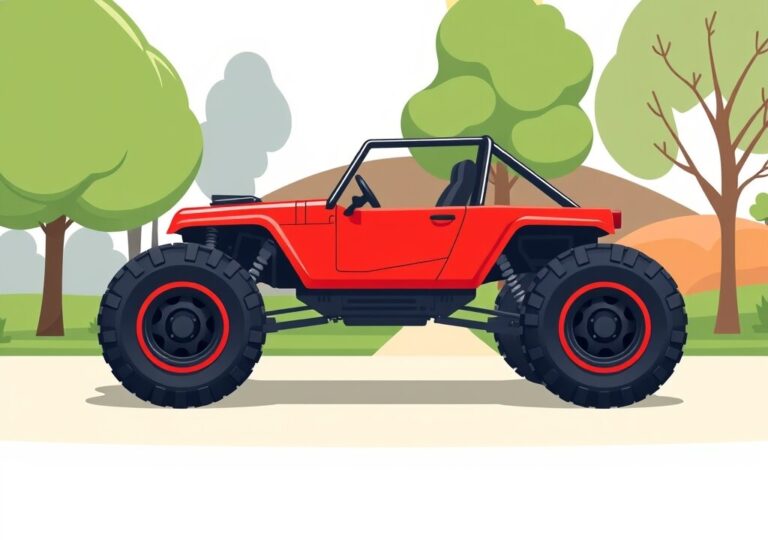
Bashing is a style of RC driving where the goal is to drive hard over uneven ground. Drivers often use grass, dirt, gravel, curbs and small jumps. The focus is on fun, speed and toughness rather than exact racing lines.
Many bashing cars are built to take hits. Their chassis, bumpers and drivetrain are designed to survive crashes that would damage a more delicate model. This makes bashing a common starting point for new hobbyists.
Bashing Explained for First-Time Drivers
For a first-time driver, bashing usually means letting the car run on open ground and seeing what it can handle. You steer, accelerate and brake while the car bounces over bumps. Crashes are normal, and a sturdy car makes them less costly.
Start by driving in a wide space with few obstacles. As you gain confidence, you can add small rises, logs or short jumps. Each step builds your sense of how the car reacts.
How Bashing Differs From Racing and Crawling
Racing focuses on speed around a set track, with careful cornering and tight lines. Crawling focuses on slow, controlled climbing over rocks and steep slopes. Bashing sits between these styles, with more speed and roughness than crawling and more freedom than a race track.
Because of this, bashing cars often have stronger parts and more ground clearance. Racing cars may be lighter and more precise, but they can break more easily in rough use. Your choice depends on what you enjoy most.
Basic Parts and How an RC Car Works
An RC car has a few core systems that work together. The receiver picks up signals from your transmitter, which is the handheld controller. Those signals tell the motor, steering servo and other parts what to do.
Knowing the main parts makes it easier to understand problems and repairs. You do not need to be an engineer. A simple picture of how power and steering flow through the car is enough to start.
Motor, Battery, and Electronic Speed Controller
The battery stores electrical energy and sends it to the electronic speed controller, often called an ESC. The ESC acts like a manager that decides how much power reaches the motor. It turns your throttle input into speed.
The motor turns that power into rotation, which spins the wheels through the gears. Brushed and brushless motors are two common types. Brushless motors are often more efficient, but they vary by model, so check your car’s specifications.
Steering, Suspension, and Drivetrain Basics
The steering servo is a small motor that turns the front wheels when you move the steering control. Good steering response helps you line up jumps and avoid obstacles. Loose steering linkages can make the car feel vague.
Suspension absorbs bumps and keeps the tires in contact with the ground. The drivetrain carries power from the motor through the gears and driveshafts to the wheels. Together, these parts decide how the car handles rough ground and how well it recovers after a hard landing.
Essential Bashing Tips for Beginners
Good habits matter more than raw power when you start. Most beginners break parts because they drive too fast before they can control the car. Slowing down and building skill protects both your car and your confidence.
Start Slow and Build Control
Begin with low throttle in an open area with no obstacles. Practice turning, stopping and reversing until the car goes where you aim it. Only increase speed once your steering feels predictable.
Keep your throttle smooth. Sudden full power can flip the car or spin the wheels. Gentle inputs give you more control over the car’s direction.
Learn to Read Terrain and Avoid Hard Landings
Before you drive, look at the ground. Loose sand, wet grass and deep ruts can slow the car or cause it to tip. Smooth, firm dirt usually offers the most grip for a beginner.
Avoid driving straight into tall obstacles at speed. Approach them at an angle and at a slower pace. This reduces the chance of a hard hit that can snap parts.
Handling Jumps and Landings Safely
Jumps are fun, but they are where many beginners damage their cars. Start with small ramps and keep the car level as it leaves the lip. Landing nose-first or on one side can bend the chassis or break the suspension.
Reduce speed slightly before the jump. Try to land with all four tires touching at about the same time. Practice small jumps until landings feel controlled.
Driving Techniques for Common Surfaces
Every surface behaves differently. Grip, bounce and traction change how the car responds to the same throttle input. Adjusting your driving to the ground keeps you in control.
Grass, Dirt, and Gravel
Grass offers moderate grip, but it can hide roots and holes. Dirt is often the most predictable surface for bashing. Gravel can be loose, so use gentle throttle and avoid sharp turns at speed.
On loose surfaces, the tires may slide more. Lighter, controlled inputs help the car keep its line. Watch for stones that can jam the steering or wheels.
Pavement, Snow, and Uneven Backyard Ground
Pavement gives strong grip, so the car may accelerate and turn quickly. Keep speeds moderate to avoid flips on curbs. Smooth pavement is good for practicing steering.
Snow and ice reduce grip sharply, so drive very slowly. Uneven backyard ground can hide sprinkler heads, toys and rocks, so walk the area first. Clear the space before each session.
Maintenance Habits That Keep Your RC Car Running
Regular checks prevent small problems from becoming expensive repairs. A few minutes after each session can save hours of troubleshooting later. Simple habits matter most.
Cleaning After Each Session
Remove dirt, grass and mud after each run. Use a soft brush and compressed air for hard-to-reach areas. Avoid soaking the electronics, and let the car dry fully before storing it.
Checking Screws, Tires, and Battery Condition
Vibration loosens screws over time, so check them regularly. Look at the tires for cuts, wear and loose wheels. Inspect the battery for swelling, cracks or damaged wiring.
Replacing Common Wear Parts
Some parts wear out faster than others, such as tires, bearings, driveshafts and suspension arms. Keep spare parts on hand for quick repairs. Replace worn items before they fail during a run.
Battery Care and Charging Safety
Many bashing cars use LiPo batteries because they deliver strong power for their size. LiPo stands for lithium polymer. These batteries need careful handling to stay safe.
LiPo Battery Basics and Storage Voltage
Storage voltage is the level a LiPo battery should hold when you are not using it. Most chargers offer a storage mode that brings the pack to a safe resting level. Keeping a battery fully charged or fully empty for long periods can shorten its life.
Always check your battery’s labels and your charger’s manual for the correct settings. Using the wrong cell count or chemistry can damage the pack or cause overheating.
Charging Routines and Warning Signs
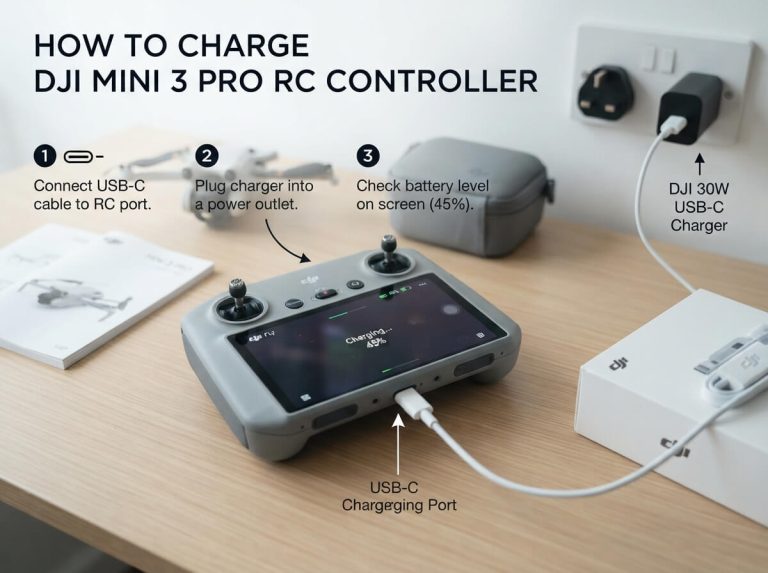
Charge batteries on a stable, non-flammable surface, and never leave them unattended while charging. Use a charger built for LiPo batteries and set the correct cell count and current. Let the battery cool before charging it again after a hard run.
Stop charging and move the battery away from anything flammable if you notice swelling, heat, a strange smell or damage to the casing. Dispose of damaged batteries according to local rules. Safe habits protect you, your home and your car.
Common Bashing Mistakes and How to Avoid Them
Most beginner problems come from a small set of mistakes. Knowing them in advance helps you avoid frustration. Small changes in habit make a big difference.
Overheating, Water Damage, and Shaky Setups
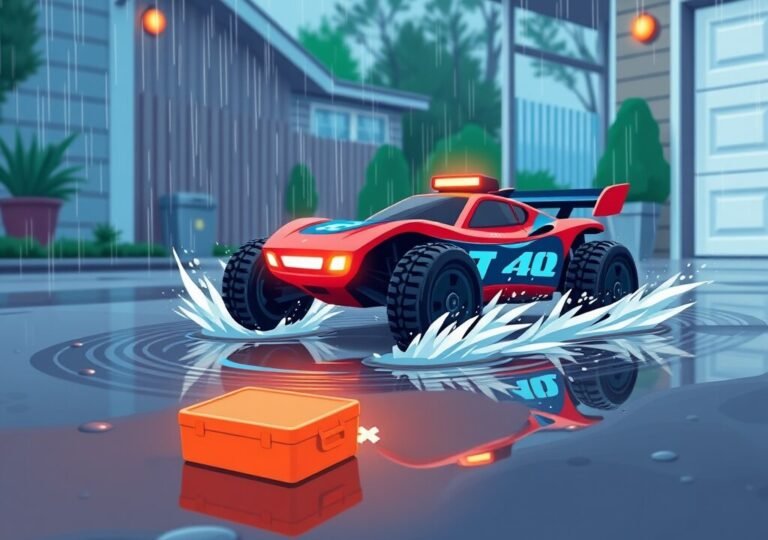
Running the motor and ESC too long without a break can cause overheating. Let the parts cool between sessions. Water can reach the electronics through gaps, so avoid deep puddles unless the car is built for wet use.
A shaky or loose setup can make the car hard to control. Check that the wheels are tight, the suspension moves freely and the body is secure before you drive.
Crashing Too Hard Too Often
Frequent hard crashes stress the chassis, drivetrain and electronics. Slow down when you feel the car losing control. Repeated heavy impacts usually lead to broken parts.
Take short breaks to inspect the car after big hits. Catching a cracked arm early is easier than fixing a damaged gearbox later.
Bashing Safety and Where to Drive
Safe driving protects people as well as machines. A good location and basic protective habits reduce the risk of injury and damage. Plan your session before you start.
Picking a Safe Location and Respecting Others
Pick an open area with clear sight lines, away from roads, crowds and fragile property. Parks and dedicated RC areas are often good options when they allow vehicles. Ask for permission before driving on private land.
Keep bystanders, pets and children at a safe distance. Be considerate of others who share the space. A respectful approach keeps the hobby welcome for everyone.
Protecting Eyes, Hands, and Electronics
Wear eye protection, since flying dirt and small stones can strike your face. Keep hands clear of moving parts, and turn the car off before you touch it. Avoid driving near water, rain or heavy dust.
Protect your electronics by keeping the receiver and ESC dry and secure. Use a bag or case for transport. Simple care keeps your car ready for the next session.
Peterson is an RC hobby enthusiast and product reviewer with a passion for remote-controlled cars, trucks, boats, drones, and accessories. He enjoys testing the latest RC products, comparing features, and sharing practical buying guides to help beginners and experienced hobbyists make informed decisions. Through RCThing.com, Peterson provides honest reviews, maintenance tips, and expert advice to help readers get the most from their RC adventures.