How To Start Rc Racing
Remote control racing is a hobby where people drive small radio-controlled cars, trucks and buggies around a track. It combines driving skill, mechanical interest and friendly competition. Starting out can feel confusing, with many parts, terms and classes to learn.
This guide explains the basics in plain words. It covers the main types of RC racing, the gear you need, first steps, and the habits that help you fit in at a track. It also points out common mistakes to avoid.
Key Takeaways
- A handheld transmitter controls the car, and a receiver inside the car responds to its signals.
- Beginners usually choose between on-road, off-road and indoor racing, and between electric and nitro power.
- A ready-to-run model, a charged battery, a charger and basic tools make up a solid first setup.
- A local club or hobby shop helps you learn rules, get advice and practice safely.
- Regular cleaning, battery care and simple setup changes keep a car reliable and improve lap times.
What Is RC Racing and How Does It Work?
RC racing means driving a model vehicle by remote control in a timed or competitive event. The driver stands at the track and uses a handheld controller to steer and control speed. The car carries its own power source and electronics.
Most races test speed, control and consistency over a set number of laps or time. Clean laps without crashes or long stops usually matter more than raw speed. The best results often go to drivers who pair a fast car with steady driving.
Remote Control Cars, Trucks and Buggies Explained
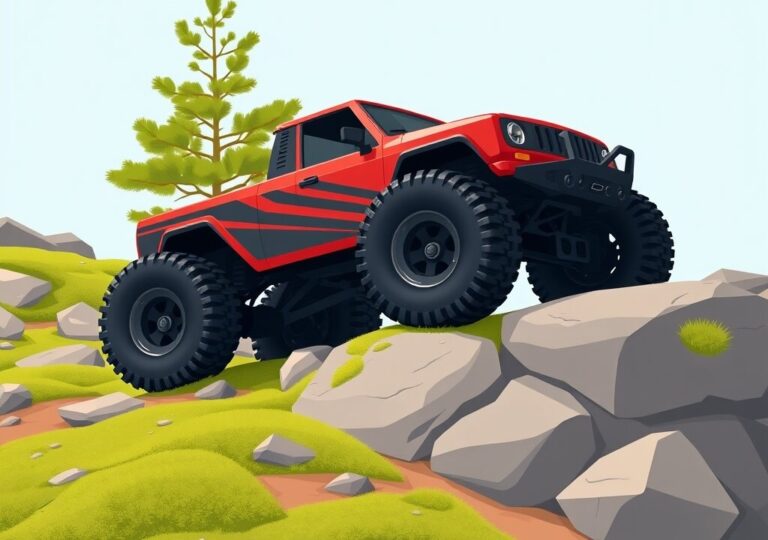
RC race vehicles come in several body styles. Cars are low and sleek, and they suit smooth surfaces. Trucks have a taller body and more ground clearance, which helps on bumpy ground. Buggies are open-wheel vehicles with large suspension travel, and they are common in off-road racing.
Each style handles differently. Beginners often start with a model that matches their planned track, since the choice affects how forgiving the car is.
The Basic Parts of an RC Racing Setup
A typical RC car has a chassis, which is the main frame, and suspension, which lets the wheels move over bumps. The drive system sends power from the motor to the wheels through gears and shafts.
The power source is a battery for electric cars or a small fuel engine for nitro cars. A speed controller manages the motor, and a receiver picks up commands from the transmitter. Tires and wheels affect grip, so they matter on different surfaces.
How a Transmitter and Receiver Control a Race Car
The transmitter is the handheld controller. A steering wheel or stick turns the car, and a trigger or stick handles throttle and brakes. Each movement sends a radio signal.
The receiver inside the car picks up that signal and passes instructions to the steering servo and speed controller. The transmitter says what to do, and the receiver makes the car do it.
Types of RC Racing for Beginners
RC racing includes several formats. Each suits different budgets, spaces and driving styles. Comparing them helps you decide where to start.
On-Road RC Racing on Smooth Tracks
On-road racing takes place on smooth surfaces such as carpet or asphalt-style tracks. The cars sit low and are built for speed and precision. Lap times and smooth cornering are the main goals.
This style suits beginners who enjoy technical driving. Surfaces stay consistent, and clubs often run regular events. Drivers learn to brake early, hold a clean line and manage tire grip.
Off-Road RC Racing on Dirt and Rough Terrain
Off-road racing uses dirt, gravel, grass and other uneven ground. Trucks and buggies with taller suspension handle bumps and jumps well. Loose surfaces often change during a race.
Off-road racing can feel more forgiving. Rough ground hides small mistakes. Cleaning and repairs take more time, though, because dirt gets into moving parts.
Indoor RC Racing and Micro Classes
Indoor racing takes place in a hall, a store or a dedicated building. Many indoor tracks use carpet or a smooth floor. Because the space is controlled, races can run in any weather.
Micro classes use small, lightweight cars that fit in limited space. They suit younger drivers and people with little room at home. These cars are often easier to transport and store.
Electric Versus Nitro Powered RC Cars Compared
Electric cars run on a rechargeable battery and an electric motor. They start quickly, need little tuning and produce less noise and mess. Most beginners find them easier to run.
Nitro cars burn a special fuel in a small engine. They offer a mechanical feel and a distinct sound, but they need regular tuning, cleaning and engine care. Fuel, glow plugs and starter equipment add cost and effort. Many experienced drivers enjoy this hands-on maintenance. For most newcomers, electric is the simpler place to start.
Essential Gear and Equipment Checklist
A first setup does not need to be large or expensive. It should include a car that is ready to run, a radio system, batteries, a charger and a few basic tools. Knowing what each item does prevents wasted money on the wrong parts.
Entry-Level RC Car Kits and Ready-to-Run Models
A kit is a set of parts you assemble yourself. A ready-to-run model, often called an RTR, comes mostly built and needs only a battery and a little setup. Ready-to-run models are the more common choice for beginners because they get you driving sooner.
Kits teach more about how a car works, but they take time and patience. Many people start with a ready-to-run car and move to a kit later. Check that the model suits the class and track you plan to use.
Radio Systems, Batteries and Chargers
The radio system includes the transmitter and receiver. Many ready-to-run cars include a basic radio, while higher-end systems offer more adjustment. Make sure the radio matches the car, since mismatched systems will not work together.
Batteries store the power for electric cars. Rechargeable packs come in different chemistries and sizes, so match the battery to what the car requires. Use a suitable charger and always follow the manufacturer’s instructions for charging and storage.
Tools, Spare Parts and Safety Gear
A small tool kit usually includes hex drivers, a screwdriver set, pliers and a hobby knife. These handle most routine adjustments and simple repairs. A set of spare parts, such as tires, pins and common screws, saves time after a crash.
Safety gear matters too. Eye protection guards against flying debris, and a clean, organized workspace prevents lost screws. Keep fingers away from moving parts, and turn the car off before you handle it.
Step-by-Step Guide to Starting RC Racing
Starting RC racing works best when you move in clear stages. Each step builds on the one before it. The process below suits most beginners.
Learning the Basics at Home or at a Local Hobby Shop
Begin by learning how the controls respond. Practice on a flat, open surface at a slow speed. Focus on smooth steering and gentle throttle use, since quick, jerky inputs cause most early spins. Many hobby shops also offer demo areas or staff advice.
Next, learn to read the car’s behavior. Notice how it responds to braking, turning and throttle changes on different surfaces. Small, steady inputs usually give more control than large ones.
Joining a Local RC Club or Track Community
A local club is one of the most useful resources for a newcomer. Members often share setup tips, explain race rules and help with repairs. Many clubs also run practice sessions where beginners can drive alongside experienced people.
Visiting a track before you race gives you a sense of the layout, the pace and the etiquette. Ask questions openly, since most members are happy to help someone new.
Your First Practice Session and Race Day Preparation
Before your first practice session, charge your batteries fully and check every screw. Confirm that the radio is bound to the car and that steering and throttle work correctly. Bring spare parts, tools and a fresh battery if possible.
On race day, arrive early to register and check in. Warm up the car and listen to any track announcements. Stay calm, drive within your limits and focus on finishing clean laps rather than chasing the fastest time.
Race Rules, Classes and Track Etiquette
Every track sets its own rules, but most follow common patterns. Knowing the classes and expectations helps you enter the right events and avoid trouble. It also shows respect for other drivers.
Race Classes and Entry Requirements
Race classes group cars by type, power source, size or modification level. A beginner class usually uses stock or lightly modified cars, which keeps costs lower. Entry requirements may include age limits, membership or a short sign-up process.
Read the class rules before buying parts. Some classes require specific tires, motors or batteries, so checking first avoids expensive mistakes.
Common Track Rules and Safety Expectations
Most tracks ask drivers to follow pit rules, stay in designated areas and wait for a signal before driving. Many also require drivers to keep their cars under control and avoid aggressive contact. These rules keep everyone safe.
Safety also means watching for other drivers and handling batteries with care. Report damaged batteries, and never leave a charging battery unattended.
Maintenance, Upgrades and Improving Your Lap Times
A well-kept car runs more reliably and gives clearer feedback. Simple routine care makes a big difference over time. Upgrades can wait until you understand how the car behaves.
Routine Cleaning, Inspection and Battery Care
After each session, remove dirt and dust from the chassis, suspension and drivetrain. Check screws, pins and wheel nuts for looseness, and look for cracks and worn tires.
Battery care matters for electric cars. Store packs at the storage charge the manufacturer recommends, and let them cool before charging. Never charge a damaged pack.
Tuning Tips for Better Handling and Speed
Tuning means adjusting the car to suit the track surface. Small changes to tire choice, ride height or suspension can affect grip and handling. Change one thing at a time so you can see its effect clearly.
Lap times usually improve through smooth driving and consistency rather than big upgrades. Keep a simple log of settings and results to learn what works on your track.
Common Beginner Mistakes to Avoid
Many new drivers make the same early errors. Avoiding them helps you progress faster.
- Driving too fast before learning control on a flat surface.
- Buying parts or upgrades before knowing the class rules.
- Skipping battery care, which can shorten pack life.
- Ignoring loose screws and wear, which leads to avoidable breakdowns.
- Making several setup changes at once, which makes it hard to tell what helped.
- Skipping the club or hobby shop, and missing out on free advice.
Frequently Asked Questions
How Much Money Do I Need to Start RC Racing?
Costs vary widely depending on the car, the class and the power source. A ready-to-run model with a charger and basic tools is a common starting point. Checking local club prices and class requirements first helps you plan a realistic budget.
What Age Is Good for Beginners to Start RC Racing?
Many people start as children, while others begin as adults with no prior experience. Some tracks and classes set minimum ages, so check those rules before you enter. Micro classes are often popular with younger beginners.
Do I Need a Racing Track or Can I Practice at Home?
You can practice at home on a flat, open space such as a garage floor, as long as it is safe. A dedicated track offers proper layouts and race experience. Many beginners use both to build skill.
Is RC Racing Hard to Learn Without Experience?
The basics are easy to pick up with patience and slow practice. Control and consistency take time to develop. Local clubs and hobby shops can speed up learning considerably.
How Do I Find a Local RC Racing Event to Join?
Start by asking staff at a local hobby shop, since they often know about nearby tracks. Search online for RC clubs in your area and check their event schedules. Watching a race before joining is a good way to learn the atmosphere.
Conclusion
Learning how to start RC racing becomes simpler when you break it into clear steps. Begin with the basics of how the car and radio work, then choose a track style that suits you. A ready-to-run car, a charged battery and basic tools make a solid start.
Joining a local club, following track rules and keeping your car well maintained will help you improve. Focus on smooth, consistent driving rather than speed alone. With patience and steady practice, the hobby becomes more enjoyable over time.
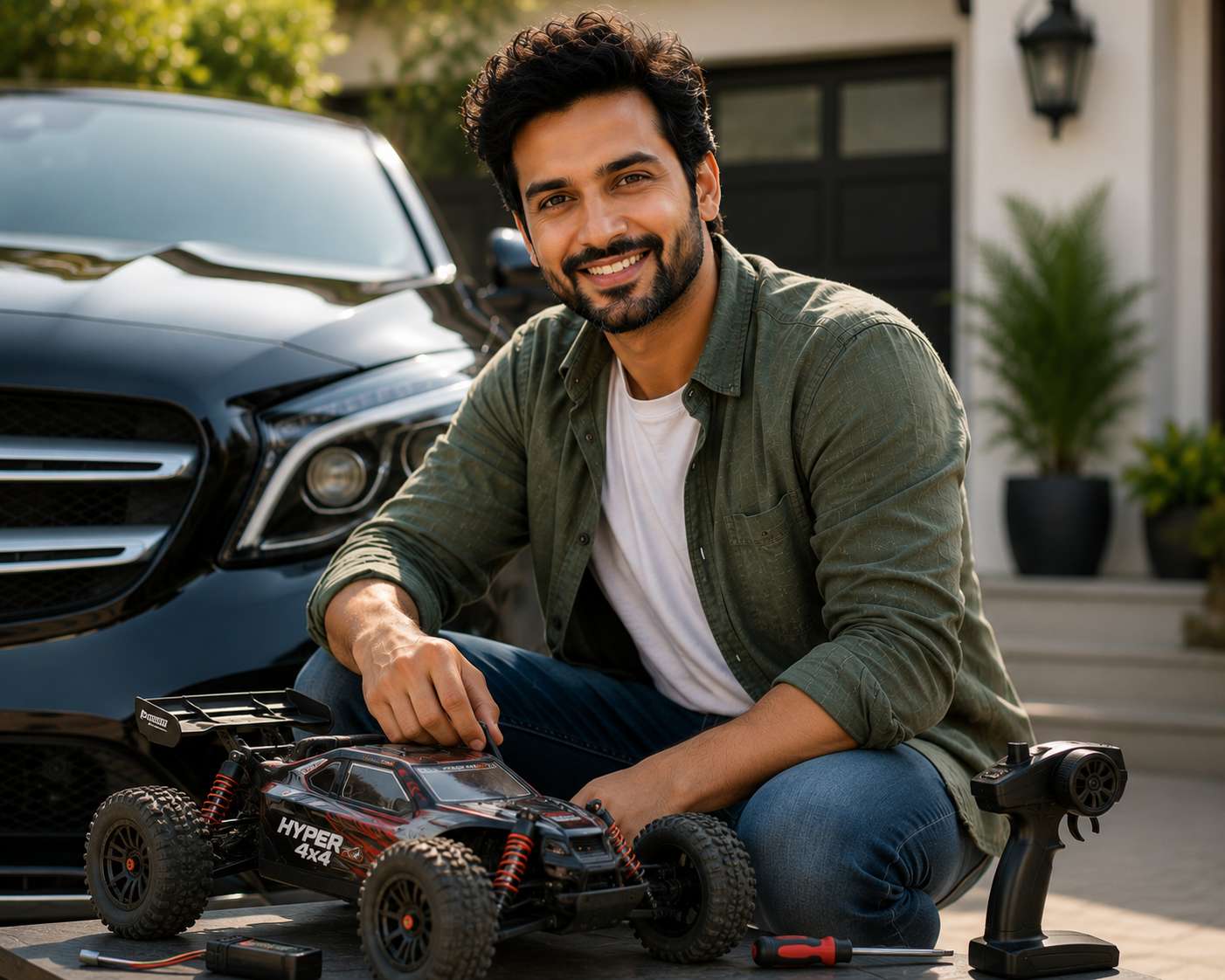
Peterson is an RC hobby enthusiast and product reviewer with a passion for remote-controlled cars, trucks, boats, drones, and accessories. He enjoys testing the latest RC products, comparing features, and sharing practical buying guides to help beginners and experienced hobbyists make informed decisions. Through RCThing.com, Peterson provides honest reviews, maintenance tips, and expert advice to help readers get the most from their RC adventures.