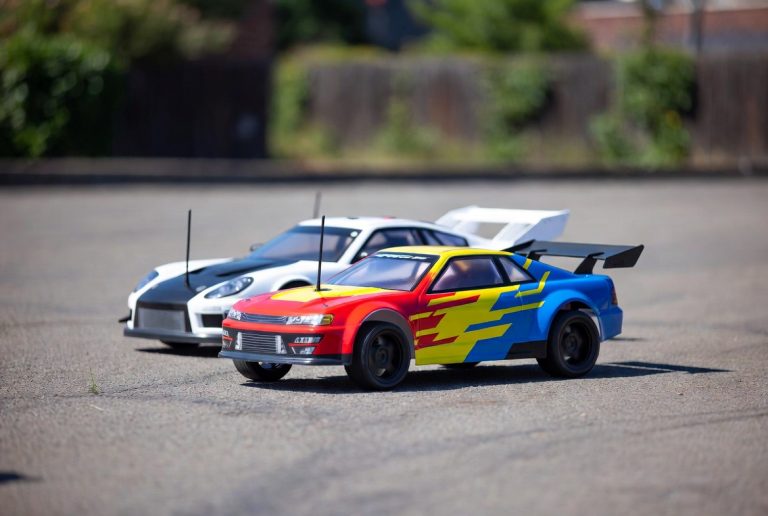
Hobby Grade Rc Meaning?
Radio-controlled vehicles offer a wide range of experiences, from simple indoor toys to complex machines built for speed and durability. Learning the hobby grade RC meaning helps new enthusiasts decide which level of equipment fits their goals. Hobby grade models provide a deeper level of engagement through modular designs and high-quality components. This guide explains the core features, performance capabilities, and maintenance requirements that define these specialized vehicles.
Key Takeaways
- Hobby grade vehicles are designed to be repaired and upgraded with modular parts.
- These models use professional-grade radio systems to prevent interference with other drivers.
- Performance capabilities such as speed, handling, and terrain versatility far exceed standard toy-grade alternatives.
- Investing in hobby grade equipment supports a long-term interest through mechanical skill development.
What defines hobby grade RC vehicles
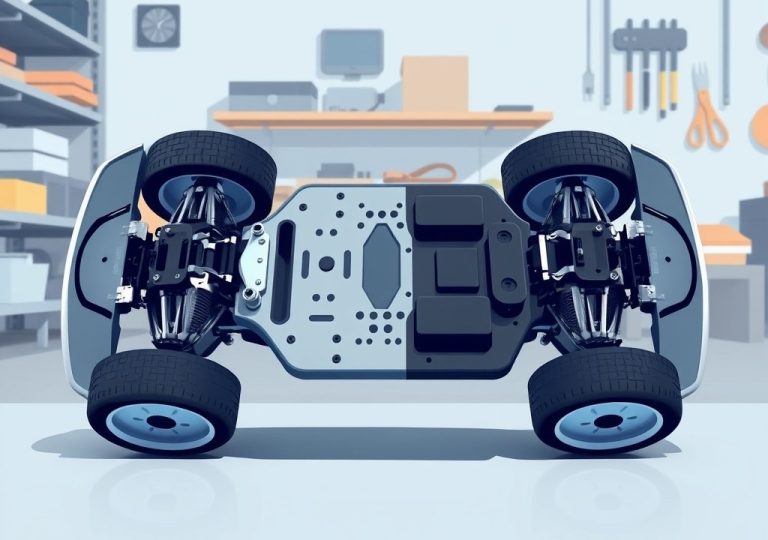
Hobby grade RC vehicles are engineered for performance, durability, and long-term use. Manufacturers build these machines with the assumption that parts will eventually wear out or break during intense operation. Because of this, every component is accessible and replaceable. These vehicles function as miniaturized versions of full-size automobiles. They feature independent suspension systems, oil-filled shocks, and adjustable steering linkages. Such features allow users to fine-tune the car’s handling to suit specific surfaces like dirt, grass, or paved tracks. The power systems in these models also reflect their professional design goals. Instead of simple alkaline batteries, they typically use rechargeable lithium-polymer packs. These provide consistent power output and allow for much longer run times than typical battery-operated toys.
Differences between toy grade and hobby grade RC cars
The gap between toy grade and hobby grade models is significant. Toy grade vehicles are generally sold as complete, sealed units intended for casual, short-term play. If a piece breaks on a toy model, the entire unit often becomes unusable. Hobby grade cars operate on a different philosophy. They consist of a chassis, a transmission, and modular electronic components. This design allows owners to swap out specific parts to improve performance or fix damage after a collision.
Build quality and materials
Toy grade cars often rely on thin plastic frames and basic snap-together construction. These materials prioritize low weight and low production costs over structural integrity. They handle light impacts well, but high-speed collisions usually cause permanent damage. Hobby grade manufacturers use reinforced plastics, aluminum, and carbon fiber. These materials withstand the forces generated by high-speed motors and rugged terrain. The engineering focus rests on creating a rigid, impact-resistant platform that stays stable at high speeds.
Repairability and replacement parts
The ability to source spare parts defines the hobby grade experience. Companies that produce these vehicles maintain catalogs of replacement components for every part of the chassis. Owners can order individual suspension arms, gears, or drive shafts. In contrast, toy grade manufacturers do not offer repair parts. When a gear strips or a motor burns out, the user has no way to restore the vehicle. This makes hobby grade equipment a more sustainable investment for those who enjoy the mechanical side of the hobby.
Performance and speed expectations
Speed represents the most obvious difference for new drivers. Toy grade vehicles typically move at a predictable, moderate pace. They often lack sophisticated steering control, which results in a twitchy driving experience. Hobby grade vehicles reach much higher top speeds, often exceeding 40 or 50 miles per hour. They feature proportional steering and throttle control. This means the car reacts precisely to how far the user moves the trigger or steering wheel on the remote.
Core components of hobby grade models
Grasping the internal parts of a hobby grade RC car helps with maintenance and upgrades. These models rely on a system of interconnected electronics that communicate to provide precise control. Each part plays a specific role in how the vehicle moves.
Transmitters and radio interference
Professional RC models use 2.4GHz radio systems. This technology allows multiple vehicles to operate in the same area without signals crossing. It eliminates the old problem of frequency clashes that plagued older, entry-level remote control toys. The transmitter sends digital signals to a receiver inside the car. This link remains stable even at long distances. Users can adjust trim settings on the transmitter to ensure the car drives perfectly straight and responds instantly to every input.
Electronic speed controllers and motors
The electronic speed controller, or ESC, acts as the brain of the power system. It takes signals from the receiver and determines how much power to send to the motor. It also manages safety features like thermal protection to prevent overheating. Motors come in two main types: brushed and brushless. Brushed motors cost less and offer smooth power delivery for beginners. Brushless motors provide higher efficiency and speed, making them a common upgrade path for experienced enthusiasts.
Battery technology and charging
Most modern hobby grade vehicles utilize lithium-polymer, or LiPo, battery packs. These batteries store high amounts of energy in a small, lightweight package. They deliver the high current needed for rapid acceleration and sustained speed. Charging these batteries requires a dedicated balance charger. This device monitors the voltage of each individual cell inside the battery to ensure safe operation. Proper care of these batteries significantly extends their lifespan and keeps the vehicle running reliably.
Reasons to invest in hobby grade equipment
Buying a hobby grade vehicle provides more than just a toy. It serves as an entry point into a community of enthusiasts who enjoy solving mechanical problems. It offers a way to learn about physics, electronics, and engineering in a hands-on environment.
Learning mechanical skills through maintenance
Regular maintenance is part of owning a hobby grade model. Owners learn how to disassemble gearboxes, rebuild shock absorbers, and adjust suspension geometry. These skills translate well to real-world mechanical knowing. The process of fixing a broken part also provides a sense of satisfaction. It turns a frustrating moment—like a crash—into an opportunity to learn how the machine works. This cycle of maintenance keeps the vehicle in top condition for years.
Customization and performance upgrades
Hobby grade platforms are designed to be modified. If a user wants more speed, they can install a faster motor or a different gear ratio. If they want better traction, they can switch to tires designed for specific terrain types. This modularity allows the vehicle to grow with the user’s skill level. A beginner might start with a mild setup and gradually upgrade components as their driving ability improves. The car never truly becomes obsolete because it can always be refined.
Frequently Asked Questions
Can hobby grade RC cars be driven on any surface?
Most hobby grade vehicles are specialized for specific terrains like off-road dirt, pavement, or short grass. While some models handle multiple surfaces well, using a car on terrain it was not designed for can lead to premature wear or overheating.
Do I need to buy extra tools for my first model?
Many manufacturers include basic tools like hex wrenches for routine maintenance. However, acquiring a set of high-quality metric hex drivers and needle-nose pliers will make repairs and adjustments much easier for a beginner.
Are hobby grade parts interchangeable between brands?
Generally, parts are specific to the brand and model of the vehicle. While some universal parts like connectors or tires exist, internal components like suspension arms or chassis plates rarely fit across different manufacturers.
How long do the batteries typically last?
Run time depends on driving style, terrain, and battery capacity. Most enthusiasts get between 15 and 30 minutes of continuous high-speed driving from a single battery pack before needing a recharge.
Is it difficult for a beginner to drive a fast RC car?
Driving a fast car requires practice, but most hobby grade transmitters feature sensitivity adjustments. Beginners can lower the maximum throttle setting to make the car easier to control while they learn the basics of steering and braking.
Finding your first hobby grade RC vehicle
Picking an initial model involves looking at how you plan to use the vehicle. Decide if you prefer driving on smooth asphalt, loose dirt, or technical off-road tracks. Each environment requires a different chassis design. Check that the manufacturer provides a clear manual and a reliable supply of replacement parts. A good support network ensures that your first experience remains positive even if you encounter a mechanical issue. Focus on simplicity for your first purchase. A basic, high-quality model provides a solid foundation for learning. Once you master the controls and understand the maintenance routine, you can explore the vast world of upgrades and specialized equipment.
Peterson is an RC hobby enthusiast and product reviewer with a passion for remote-controlled cars, trucks, boats, drones, and accessories. He enjoys testing the latest RC products, comparing features, and sharing practical buying guides to help beginners and experienced hobbyists make informed decisions. Through RCThing.com, Peterson provides honest reviews, maintenance tips, and expert advice to help readers get the most from their RC adventures.