5 Best GPS Drone Under $300 In 2026
As an Amazon Associate we earn from qualifying purchases.
Shopping for a GPS drone can feel confusing, especially if you have never flown one before. This guide is written for beginners who want a camera drone that can hold its position, return home on its own and take steady photos and videos. It looks at five models that all sit within a budget-friendly range, so you can see how a best GPS drone under $300 search usually turns up.
The five drones share a few traits. Each one uses GPS, which helps the drone hold a position and find its way back, and each includes a camera with live video sent to a phone or remote.
They also offer automated flight modes such as Follow Me and Waypoint Flight, and they fold up for travel. The comparison below rests on the listed features and typical use, not on personal testing, so treat the notes as a guide to what each product offers on paper.
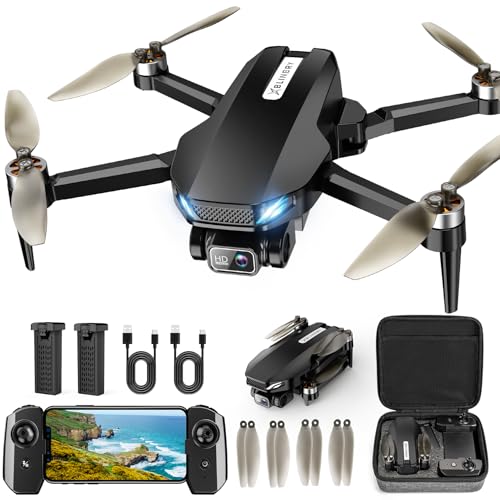

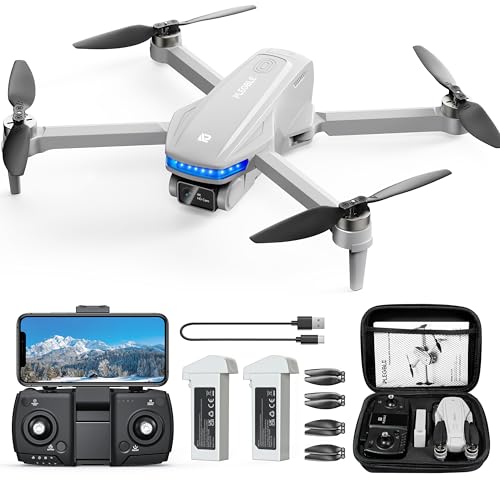
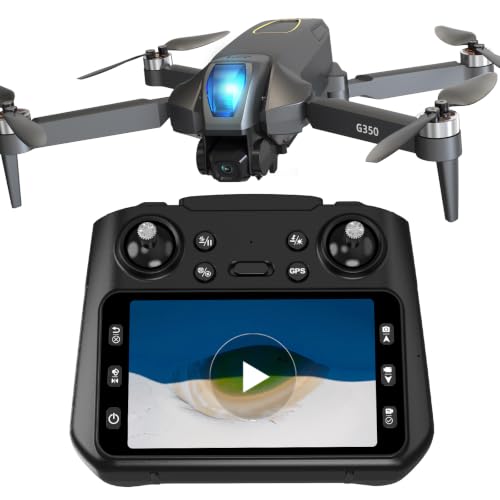

1. GPS Drone: best for hands-free video on a tight budget
This model is a foldable quadcopter with a 2K camera and a camera that tilts 90 degrees by remote control. It suits buyers who want a simple way to film hiking trips, sports or everyday outings without spending a lot. It is one of the lowest-priced options in this group.
Key features in plain words
GPS lets the drone hold its place outdoors and return to its takeoff point if the signal drops or the battery runs low. Follow Me mode keeps the drone flying behind or around you as you move. Waypoint Flight lets you set a route on the app so the drone flies it for you.
What daily use usually feels like
Most owners will spend their time in the app, where live video shows what the camera sees. Because the drone is light, it is easy to pack in a bag. The stated flight time is about 32 minutes with two batteries, so you will likely need to swap batteries during longer sessions.
Performance and ease of use
The product lists one-button takeoff and landing, headless mode and two speed settings. These features are meant to help new pilots get started without much setup. Optical flow and GPS work together to help the drone hover steadily.
Value for money
At its listed price, this drone asks for the least money of the group. You get GPS, a 2K camera and several automated modes. The camera is lower resolution than the 4K models, so buyers who care most about sharp footage may want to look at the others.
Pros
- Lowest price in this comparison
- GPS auto return and Follow Me mode
- Foldable and under 250 grams
- Easy one-button takeoff and landing
Cons
- The 2K camera is less sharp than the 4K options
- Flight time needs two batteries to reach the listed figure
- The seller standing is described as moderate, so check recent buyer comments
2. Drones with Camera for Adults 4K: best for a 4K camera with GPS
This drone is closely related to the first model but adds a 4K camera. It suits buyers who want higher-resolution footage at the same price point. It also works for younger flyers, since the listing mentions kids as a possible user.
Camera and video quality
A 4K camera records at a higher resolution than a 2K camera, which means more detail when you view footage on a large screen. The camera also tilts 90 degrees electrically. Live video runs over 5GHz FPV transmission, which is meant to keep the picture smooth.
Flight features
The drone includes GPS auto return, Follow Me, Circle Fly and Waypoint Flight. Optical Flow supports steady hovering, so the drone can stay in place even when you are flying indoors. The brushless motors are designed for quieter running and more consistent power.
Real-life use and battery
Like the 2K model Like the 2K model, this drone is built around its app and automated flight modes, so most of the day-to-day control happens on your phone. The listing states about 32 minutes of flight time with two batteries.
In practice, that means planning short flights and carrying spare batteries if you want to film for longer stretches.
Performance and ease of use
The one-button takeoff and landing and headless mode make the controls simpler for first-time flyers.
Headless mode means the drone responds to your direction rather than its own orientation, which many beginners find easier to follow. Two speed settings let you start slowly and speed up as your confidence grows.
GPS and Optical Flow work together to keep the drone steady in the air. That said, any drone still needs open space and calm conditions to hold a smooth position. Wind will always test the hover, even with good positioning systems.
Value for money
This model shares the same listed price as the 2K version, so the main question is if you want the 4K camera. For many buyers, the higher resolution is the deciding factor. Because the price matches, the 4K option is often the more useful pick if video quality matters to you.
Pros
- 4K camera with the same listed price as the 2K model
- GPS auto return and several automated flight modes
- Headless mode and speed settings suit new pilots
- Foldable with a storage case, under 250 grams
Cons
- Flight time depends on carrying a second battery
- Wind can still affect hovering and video smoothness
- The seller standing is described as moderate, so read recent reviews
3. PLEGBLE Drones: best for longer flight time and a beginner mode
This model comes from a different brand and sits at a higher price than the first two. It is aimed at buyers who want longer flight time and a built-in limit that keeps new pilots close to home. It also lists a 4K camera with a wide-angle lens.
Flight time and batteries
The listing gives a total of 46 minutes across two batteries, which is roughly 23 minutes per battery. Two batteries mean you can fly, land, swap and fly again without a long wait. The brushless motors are described as giving smoother flight and higher speeds.
Beginner mode and safety features
Beginner Mode limits the flight radius to 30 meters, which keeps the drone within sight while you learn. You can turn this mode off in the app once you feel ready. GPS Auto Return brings the drone back to its takeoff point if the signal is lost or the battery runs low.
Camera and video
The camera is listed as 4K with a 120-degree wide-angle lens and a 90-degree adjustable angle. A wide lens takes in more of the scene, which can help when you want landscape shots. The live feed uses 5GHz FPV transmission to reach your phone.
Value for money
At its listed price, this drone costs more than the first two models. You are paying for the longer listed flight time, the Beginner Mode and the wide-angle lens. If you do not need those extras, the lower-priced models may suit you better.
Pros
- Listed flight time of 46 minutes with two batteries
- Beginner Mode limits the flight radius to 30 meters
- 4K camera with a 120-degree wide-angle lens
- GPS auto return and several automated modes
Cons
- Costs more than the first two models in this list
- The wide-angle lens can make distant objects look smaller
- Beginner Mode limits where you can fly, which some buyers may find restrictive
4. RC Drone: best for a built-in screen remote
This drone includes a remote with its own LCD screen, so you can see live video without connecting a phone. It suits buyers who prefer a self-contained setup for travel or outdoor trips. The listing describes it as suitable for beginners.
Screen remote and live view
The remote has a built-in screen, so live video appears right on the controller. This means you do not have to link a smartphone just to see the camera view. The listing describes transmission up to 600 meters, which is about 1,969 feet.
A built-in SD card slot in the remote lets you store footage locally. That can be handy when you want to skip waiting for files to transfer to a phone. Two control modes are offered, the screen remote and the mobile app.
Camera and flight features
The camera is listed as 4K and tilts 90 degrees electrically from the remote. Dual GPS and optical flow positioning are meant to keep the drone steady both indoors and outdoors. Three auto return functions cover low battery, signal loss and one-key return.
Follow Me, Point of Interest Circle Fly and Waypoint Flight are also included. These modes let the drone handle much of the flying while you focus on framing the shot.
Battery and portability
The listing describes a swappable rechargeable battery with up to 20 minutes of flight time. That is shorter than the two-battery figures of some other models in this group. The drone weighs 205 grams and folds into a compact shape, which suits travel.
Performance and ease of use
The screen remote is designed to make the setup feel self-contained. Brushless motors are described as quieter and more resistant to breezes. Even so, a lighter drone can still be pushed around by strong gusts, so calm days are easier for learning.
Value for money
This model is priced above the first two drones. You are paying for the screen remote, the local storage option and the wider transmission range. Buyers who do not need a built-in screen may find better value elsewhere.
Pros
- Built-in LCD screen on the remote, no phone needed for live view
- 4K camera with a 90-degree electric tilt
- Three auto return functions and dual positioning
- Foldable and under the 249-gram threshold
Cons
- Listed flight time is shorter than some two-battery options
- Costs more than the first two models
- Seller standing is described as moderate, so check recent feedback
5. 4K UHD GPS Drone: best for the longest listed flight time
This model is a mid-sized GPS drone with three included batteries. It is the largest of the five in terms of format and the most expensive in this group. It suits buyers who want long flights and do not mind a slightly bigger drone.
Flight time and batteries
The listing states up to 90 minutes of combined flight time from three batteries. That works out to about 30 minutes per battery when you split the total evenly. Because three batteries are included, you can plan longer outings with fewer stops.
Smart GPS modes
Follow Me, Tap Fly and Point of Interest use GPS to help the drone move on its own. Tap Fly lets you choose a location on the screen, and the drone flies toward it. Point of Interest circles a chosen subject, which can help with steady, orbiting shots.
Camera and positioning
The camera is listed with 4K photos and a 100-degree wide-angle lens. It tilts 90 degrees through the remote or app. Optical flow helps indoors, while GPS handles positioning outdoors.
Size, weight and registration
This drone is described as mid-sized, with a takeoff weight under 0.55 pounds. The listing notes that FAA registration is not required for flights that fall under the U.S. recreational exception. Because it is larger than a mini drone, it may take up more room in a bag.
Value for money
The listed price is higher than the first two drones but lower than the PLEGBLE model in some comparisons. You get three batteries, a wide-angle camera and a long control range. Buyers who fly only short sessions may not need all of that.
Pros
- Up to 90 minutes of combined flight time with three batteries included
- Smart GPS modes such as Follow Me and Tap Fly
- 4K photos and a 100-degree wide-angle camera
- Control range of up to 3,328 feet, according to the listing
Cons
- Larger format than mini drones, so it takes up more room
- Costs more than the first two models in this list
- Seller standing is described as moderate, so check recent buyer comments
Who should buy these drones
Each of these drones fits a different kind of buyer. The right pick depends on what matters most to you, such as price, video quality, flight time or ease of control. The matches below are based on the listed features.
If you want the lowest cost and simple GPS features, the first GPS Drone is a sensible starting point. Buyers who want sharper footage at the same price may prefer the 4K version of that design. For anyone who wants longer listed flight time and a built-in limit that keeps new pilots close, the PLEGBLE Drones are worth a look.
Travelers and outdoor creators who prefer not to use a phone may like the RC Drone with its built-in screen remote. Buyers who want the longest listed flight time with spare batteries included may find the 4K UHD GPS Drone a good match. Because each model has trade-offs, it helps to decide your top priority before you choose.
Final verdict on the best GPS drone under $300
There is no single winner for everyone. The two lower-priced models offer GPS features and foldable designs at a modest cost. The higher-priced options add longer flight time, screen remotes or wider lenses for buyers who want those extras.
In short, pick by your main need rather than by a headline label. Check the listed flight time, camera resolution and included batteries against your plans. Read recent buyer comments, since each seller’s standing is described as moderate.
Frequently Asked Questions About GPS Drones
What does GPS auto return mean?
GPS auto return lets the drone fly itself back to its takeoff point. It can do this when the signal drops, the battery runs low or you press a return button. This feature is meant to reduce the chance of losing the drone.
Do I need to register a drone under 250 grams?
Drones that weigh less than 250 grams generally do not need FAA registration in the United States. Rules vary by country and can change, so check your local aviation rules before you fly. Several models in this guide are listed as under the threshold.
Is a 4K camera always better than a 2K camera?
A 4K camera records more detail than a 2K camera, which can matter when you view footage on a large screen. Other factors, such as stability and lighting, also affect how good the video looks. For casual use, a 2K camera may be enough.
How long do drone batteries usually last?
Listed flight times are a guide, and real flights depend on wind, temperature and how hard the drone works. Carrying spare batteries is a common way to fly longer. Each listing in this guide notes its own battery setup.
Are these drones suitable for complete beginners?
Many models here include beginner-friendly features such as one-button takeoff, headless mode and speed settings. Starting in an open area with calm weather can help new pilots build confidence. Practice in short sessions and read the manual before your first flight.
Peterson is an RC hobby enthusiast and product reviewer with a passion for remote-controlled cars, trucks, boats, drones, and accessories. He enjoys testing the latest RC products, comparing features, and sharing practical buying guides to help beginners and experienced hobbyists make informed decisions. Through RCThing.com, Peterson provides honest reviews, maintenance tips, and expert advice to help readers get the most from their RC adventures.