Best RC Buggy For Racing In 2026
As an Amazon Associate we earn from qualifying purchases.
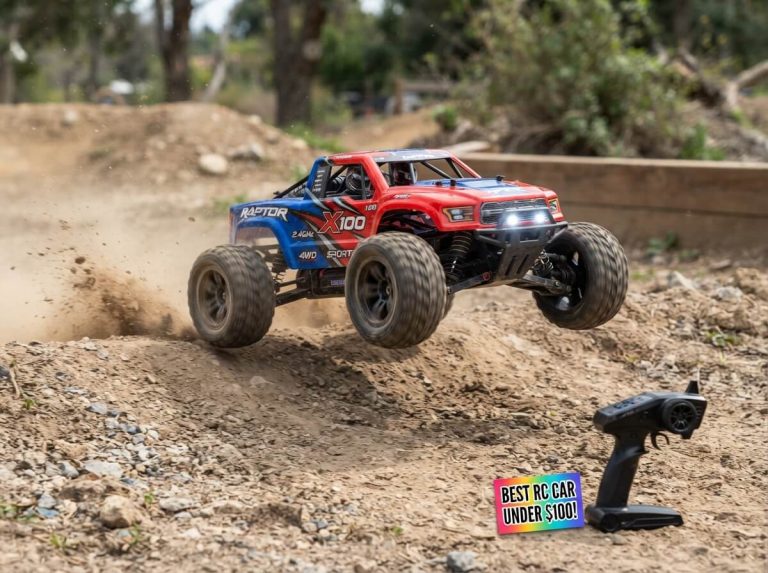
If you want to buy the best RC buggy for racing, the choice can feel crowded. Many models look fast on the box, and the terms are full of jargon. This guide is for beginners who want a clear, honest look at five popular options.
All five products are radio-controlled buggies, which means you steer and drive them with a handheld remote. They use 2.4GHz remotes, which help stop signals from clashing, and they are all sold ready to run. The comparison below rests on the listed features and typical use, not on personal testing.


1. Tecnock RC Cars Remote Control Car: best for young beginners
This is a small 1:18 scale buggy aimed mainly at children and first-time drivers. It is a toy-style racer that is easy to pick up and run on a living room floor, a lawn or a sandy patch. Its size and price make it a friendly starting point for a young driver.
What it is and who it suits
The Tecnock buggy is a four-wheel-drive model with a top speed listed at around 20 km/h. That is quick enough to feel exciting for a child, but gentle compared with hobby-grade models. It suits kids and absolute beginners who want simple fun without a steep learning curve.
Key features in simple words
The car uses a USB-C charging port, so you do not need to take the battery out to recharge it. The listing gives up to about 50 minutes of play on a full charge. A remote with batteries is included, so you can start driving right away.
Real-life use
In everyday use, this buggy tends to suit short, playful sessions. Shock absorbers and a front bumper help it handle bumps and light knocks, which matters when a young driver is still learning. The listed range of about 98 feet is enough for a backyard or a hallway.
Performance and handling
Speed is the main attraction, and the powerful motor gives a lively feel for its size. Grip on indoor floors, grass and sand is described as stable thanks to slip-resistant tires. Because the car is small, it can be a little harder to see from a distance.
Ease of use and value
Controls are simple, and the 2.4GHz system lets several cars race together without signal problems. At this price, it offers a lot of play for the money. It is a sensible choice for a gift or a first toy.
Pros
- Easy USB-C charging without removing the battery
- Remote batteries are included
- Simple controls suitable for children
- Low price for a first RC car
Cons
- Range is limited to about 98 feet
- Small size can be hard to track at a distance
- Not built for rough outdoor bashing or heavy use
2. ZD Racing DBX09 Desert Brushless Buggy 1/9: best for serious desert racing
This is a large, high-performance desert buggy for adults and experienced hobbyists. It is built for fast running over sand, dirt and rough trails. It is a serious step up from toy-style cars.
What it is and who it suits
The DBX09 is a 1/9 scale four-wheel-drive buggy with a powerful brushless motor. Its listed speed reaches 75 to 90 km/h depending on the battery used. It suits adults and teens aged 14 and up who want real speed and a rugged build.
Key features in simple words
A brushless motor is a type of motor that is more efficient and powerful than older brushed designs. The car also has a waterproof, dustproof electronic speed controller, which is the part that manages power. A full-time four-wheel-drive system sends power to all wheels, and an aluminum chassis adds strength.
Real-life use
In daily use, this buggy rewards a driver who has space to run. Wide, open sand, dirt or gravel suits it far better than a small room. The large body and long-travel shocks are designed to soak up jumps and hard landings.
Because the car is fast, it is best run with care. A simple throttle limit setting can help new drivers learn before using full power. Even so, a fast crash can still cause damage, so spare parts are worth keeping on hand.
Performance and handling
Acceleration and top speed are the clear strengths here. The metal differentials and hardened steel gears are built to handle hard driving. The adjustable oil-filled shocks help keep the car stable over bumps and after jumps.
Ease of use and value
This is a ready-to-run kit, so it arrives assembled and only needs a battery and a charger. The remote offers adjustments for steering, throttle and speed limits, which helps tune the feel of the car. At this price, the value depends on how much you plan to drive and repair it.
Pros
- Very high listed speeds for an experienced driver
- Strong metal drivetrain and chassis
- Waterproof, dustproof electronics
- Remote offers useful tuning settings
Cons
- High price compared with entry-level models
- Speed demands space and careful driving
- Batteries and chargers are not included in the listed package
3. JIUSI 1:12 Brushless Buggy: best for fast off-road bashing
This is a mid-size brushless buggy built for speed and rough outdoor play. It sits between a toy and a high-end hobby car. It suits people who want power without the top-tier price.
What it is and who it suits
The JIUSI is a 1:12 scale four-wheel-drive buggy with a listed top speed of 50 mph. It uses a 3S battery and a brushless motor for strong acceleration. It suits teens and adults who want a fast, durable car for open ground.
Key features in simple words
The drivetrain uses metal parts and steel gears, which helps it handle hard use. A polycarbonate body shell is listed as tough and flexible, so it can absorb knocks without cracking. The 2.4GHz controller offers several adjustable functions for fine control.
Real-life use
Day to day, this buggy suits open parks, fields and trails. Its body shell and shock absorbers are meant to cope with jumps and rough ground. A battery charger is included, and the listing mentions a fast charger for shorter waits.
Performance and handling
The brushless system gives smooth throttle response and a strong top end. Waterproof steering hardware is listed to help in wet or muddy conditions. The oil-damped differentials and hydraulic shocks are designed to keep the ride steady.
Ease of use and value
The controller is described as offering stable signal and quick response, which helps when driving fast. Setting up the car takes little effort because it is sold ready to run. For the listed speed and build, the price is a reasonable middle ground.
Pros
- Strong listed top speed for its class
- Durable metal drivetrain and tough body shell
- Fast charger option mentioned in the listing
- Waterproof steering servo for wet ground
Cons
- Requires a 3S battery, which adds to the cost
- Speed makes it less suitable for very young drivers
- More maintenance is needed than with a toy-style car
4. AINIUNIU ZD Racing BX-24 1/24 Brushed Buggy: best compact budget pick
This is a small, budget-friendly buggy that suits indoor tracks and backyard use. It is compact and light and easy to carry, which makes it handy for a first hobby car. It uses a brushed motor rather than a brushless one, so it is simpler and lower cost.
What it is and who it suits
The BX-24 is a 1/24 scale four-wheel-drive buggy that comes fully assembled. Its listed top speed is up to about 26 km/h, which is brisk for a car this size. It suits teens and adult beginners who want a light, low-cost entry into RC driving.
Key features in simple words
A brushed motor is an older, simpler motor design that is easier to run and maintain. The chassis is made of aluminum, which adds rigidity without much weight. A full-time four-wheel-drive system gives grip across several surfaces.
Real-life use
In practice, this buggy fits well on indoor courses, garage floors and smooth backyard spaces. The listed runtime of around 20 to 30 minutes is typical for a small battery. Its compact size means it is easy to store and carry between sessions.
Performance and handling
Speed is respectable for the size, and the oil-adjustable shocks help it stay steady over small jumps. The 38 mm tires are described as giving good grip on asphalt, pavement and light gravel. Because the car is small, it can feel twitchy at full throttle.
Ease of use and value
The included transmitter is described as simple to operate, which suits new hobbyists. Everything needed to start is in the box, including the charger and manual. For a low price and a complete package, the value is strong for casual play.
Pros
- Low price with a complete ready-to-run package
- Compact and light for easy storage and carrying
- Full-time four-wheel drive for solid grip
- Simple controls suited to beginners
Cons
- Brushed motor offers less power than brushless models
- Range of about 180 meters may be limiting for large open areas
- Shorter runtime than larger buggies with bigger batteries
5. DIKAVEY 1:12 Brushless RC Truck: best all-round mid-range choice
This is a mid-size brushless RC truck that balances speed, durability and ease of control. It suits a wide range of users who want more than a basic toy but do not need top-tier hobby performance. It is a versatile option for outdoor fun.
What it is and who it suits
The DIKAVEY is a 1:12 scale off-road truck with a brushless motor. It is listed at around 50 km/h with the standard gear, and about 72 km/h with the included gear swapped in. It suits teens and adults who want a fast, sturdy truck for parks and open ground.
Key features in simple words
The body is made of a thick PVC shell that is designed to take knocks. A front anti-collision setup is listed to soak up impacts and protect the body. Adjustable oil-filled shocks help the truck cope with uneven ground.
Real-life use
Day to day, this truck handles grass, mud, sand and uneven paths. Its tread pattern and rubber tires are described as giving good grip across these surfaces. Charging takes around four hours with the original charger, so it is wise to plan ahead.
Performance and handling
The brushless motor offers smooth acceleration and stable high-speed running. The remote has a 2.4GHz system with a listed control distance of 180 meters. A throttle limit switch lets a new driver build skill before using full power.
Ease of use and value
The remote includes trim settings for steering and throttle, which help tune the car. Built-in protections, such as a low-voltage alarm and overheating warning, help guard the battery and electronics. For the speed and build quality listed, the price is a fair mid-range value.
Pros
- Brushless motor with strong listed speeds
- Thick body shell and front crash protection
- Throttle limit helps new
- Built-in battery and electronics protections
- Remote offers useful trim and speed settings
Cons
- Charging takes around four hours with the original charger
- Faster charging needs a separate charger, sold apart
- Top speed depends on the included gear setting
Comparison insights: how these buggies differ
The five buggies sit at very different points on the scale. The Tecnock is built for young drivers and easy play, while the ZD Racing DBX09 is built for experienced adults with plenty of open space. The other three sit somewhere in the middle, each with its own strengths.
On performance, the DBX09 and the DIKAVEY offer the highest listed speeds. The JIUSI is also strong, while the AINIUNIU BX-24 and the Tecnock are more modest. Speed is not the only measure, though, because durability and handling matter just as much.
Ease of use changes a lot from one model to the next. The Tecnock and the BX-24 are simple to pick up, and both come ready to run. The DBX09 and the JIUSI need more care, and their higher speeds demand steadier control.
Value for money depends on what you want. The Tecnock and BX-24 offer the lowest entry prices. The JIUSI and DIKAVEY sit in a middle range, with more power and durability. The DBX09 is the most expensive, so it suits buyers who are sure they want a serious hobby car.
Buying guide: key factors explained in plain words
Before you buy, it helps to know what the listing terms mean. The points below are the ones that matter most for a beginner. Focus on the factors that match how and where you plan to drive.
Speed and motor type
A higher top speed is exciting, but it also makes a car harder to control. A brushed motor is simpler and cheaper, while a brushless motor is more powerful and efficient. For a first car, a moderate speed is often the better choice.
Battery, charging and runtime
Batteries decide how long you can drive before a recharge. Check if the battery is included and if the charger is too. A longer charge time is normal for larger batteries, so plan your sessions around it.
Build quality and durability
Metal parts, aluminum chassis and tough body shells help a car survive crashes. Plastic parts keep the price down but wear faster under hard use. A durable build matters most if you plan to drive on rough ground.
Range and control system
Most of these cars use a 2.4GHz remote, which helps reduce signal clashes between cars. The listed range is the distance over which the car stays under control. A longer range is useful in large open areas, but a shorter one is fine for a backyard.
Where you will drive
Indoor floors, grass, sand and dirt each suit different cars. Smaller models fit indoor spaces, while larger ones handle rough outdoor ground. Matching the car to the place you drive prevents frustration.
Ready-to-run and assembly
Ready-to-run, or RTR, cars arrive fully assembled and only need a battery and charger. This saves time and suits beginners. Some buyers prefer kits, but these are harder for newcomers.
Who should buy these products
Each buggy suits a different type of buyer. Matching your needs to the right model helps you avoid overspending or buying something too basic. Use the notes below as a starting point.
If you are buying for a young child, the Tecnock RC Cars Remote Control Car is the most suitable choice. Its simple controls, low price and easy charging suit a first toy. It is best kept to smooth indoor and garden use.
If you are a teen or adult beginner on a budget, the AINIUNIU ZD Racing BX-24 is a good match. It is compact, complete and easy to store. Its brushed motor keeps the cost low and the controls simple.
If you want fast, rugged outdoor fun without the top price, the JIUSI 1:12 Brushless Buggy suits you. Its strong drivetrain and tough body shell handle open ground well. Expect to sp end a little more on charging and maintenance, but it is a solid pick for active drivers.
If you want a mid-range truck that handles many surfaces, the DIKAVEY 1:12 Brushless RC Truck fits well. Its brushless power, thick body shell and built-in protections suit a wide range of outdoor drivers. Plan for longer charging sessions with the original charger.
If you are an experienced adult hobbyist with plenty of space, the ZD Racing DBX09 Desert Brushless Buggy is the most powerful option here. Its high speeds and metal build reward careful, skilled driving. It is a serious investment, so it suits buyers who already know they enjoy the hobby.
Final verdict: which RC buggy for racing should you choose?
There is no single winner for everyone, because the right buggy depends on who will drive it and where. A young beginner should look at the Tecnock, while a budget-minded teen or adult may prefer the AINIUNIU BX-24. Those who want more speed and toughness will find the JIUSI and DIKAVEY more appealing.
For the highest listed speeds and a serious desert build, the ZD Racing DBX09 stands out. It asks more of the driver and the budget, so it is best suited to committed hobbyists. In short, match the car to your skill level, your space and your budget.
Take time to check the listed battery, charger and range before you buy. Those details shape the everyday experience more than any single headline speed. With the right choice, a new RC buggy can offer many hours of fun.
Frequently Asked Questions
What is the best RC buggy for a complete beginner?
For a complete beginner, a smaller and simpler model is often the easiest start. The Tecnock and the AINIUNIU BX-24 both come ready to run and have straightforward controls. Choose based on if the driver is a child or a teen or adult.
Is a brushless RC buggy better than a brushed one?
A brushless motor is generally more powerful and efficient than a brushed motor. However, it usually costs more and can be faster than a beginner needs. A brushed model is a simpler and cheaper choice for learning.
How long does an RC buggy battery usually last?
Runtime depends on the battery size, the driving style and the motor. Listings give a rough guide, such as up to about 50 minutes for a small car or around 20 to 30 minutes for a compact brushed model. Expect shorter runs when driving at high speed.
Do these RC buggies need any extra parts to run?
Some models include the battery, charger and remote, while others may not include a battery or charger. Check the listing carefully before you buy. Ready-to-run models are the easiest because they need only a battery and charger, and some need nothing extra at all.
Can an RC buggy be used on grass, sand and rough ground?
Many of these models are designed for off-road use on grass, sand, dirt and gravel. Larger buggies with stronger shocks and tires handle rough ground best. Smaller and toy-style cars are better kept to smooth indoor floors and gentle garden areas.
Peterson is an RC hobby enthusiast and product reviewer with a passion for remote-controlled cars, trucks, boats, drones, and accessories. He enjoys testing the latest RC products, comparing features, and sharing practical buying guides to help beginners and experienced hobbyists make informed decisions. Through RCThing.com, Peterson provides honest reviews, maintenance tips, and expert advice to help readers get the most from their RC adventures.